THE ADVENTURE COLLECTIVE® · Independent discovery and booking for outdoor travel

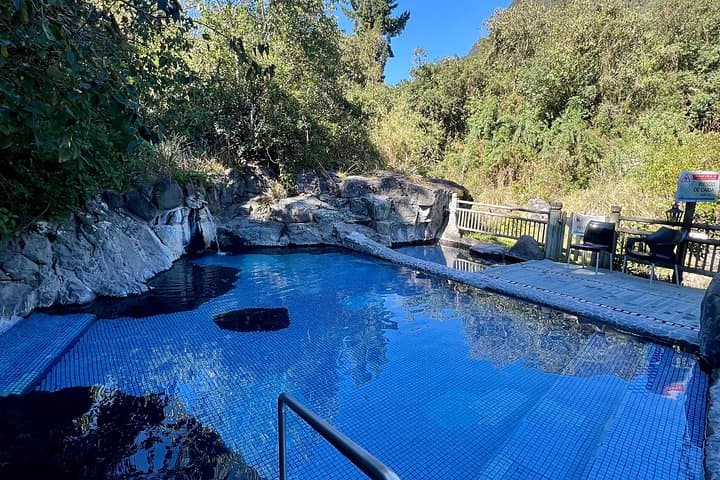
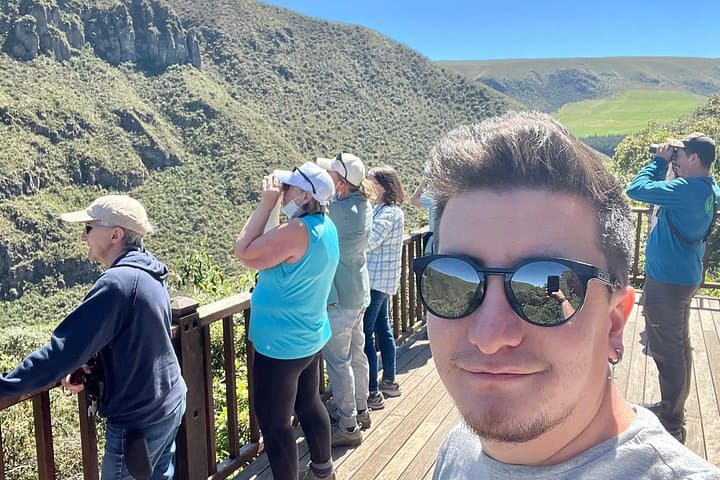
Drive from Quito into the high Andes to Antisana Ecological Reserve, search for condors at a scenic mirador, stroll Laguna de la Mica, then sink into the mineral-rich Papallacta hot springs. This full-day blend of wildlife viewing and restorative bathing suits travelers seeking both nature and relaxation.
Drive from Quito into the high Andes to Antisana Ecological Reserve, search for condors at a scenic mirador, stroll Laguna de la Mica, then sink into the mineral-rich Papallacta hot springs. This full-day blend of wildlife viewing and restorative bathing suits travelers seeking both nature and relaxation.
A thin, cold light spreads across the páramo as the van peels away from Quito and climbs toward Antisana. Wind scours the high grass; volcanic shoulders loom and the road threads between them. Condors wheel like punctuation in the sky; peat-stained lagoons reflect a high, merciless blue. By midmorning you stand at a mirador where Antisana’s glaciated flanks watch over the valley, and the Andean air feels like a dare to keep moving.
Verified experiences and guided adventures in the surrounding area.
Operated by Juan Andrés · Papallacta, Pichincha
A thin, cold light spreads across the páramo as the van peels away from Quito and climbs toward Antisana. Wind scours the high grass; volcanic shoulders loom and the road threads between them. Condors wheel like punctuation in the sky; peat-stained lagoons reflect a high, merciless blue. By midmorning you stand at a mirador where Antisana’s glaciated flanks watch over the valley, and the Andean air feels like a dare to keep moving.
This route traces young volcanic geology and human history—Andean peaks carved by lava and ice, shepherding routes once used by indigenous communities and later surveyed in colonial maps. The Antisana Reserve protects paramo ecosystems that filter water into eastern Amazon tributaries; nearby Papallacta has long been valued for its mineral hot springs, a cultural refuge where locals and visitors alike seek warmth and healing.
Expect short, easy walks around Laguna de la Mica and frequent photo stops rather than technical hiking. Wildlife sightings can be fleeting—condors, carunculated geese, and the rare spectacled bear in distant brush—but the landscape itself feels alive: wind and water conspiring to shape the day.
Practicalities: altitude reaches over 3,200–3,600 m, so hydrate and take it slow; the tour runs about 10–11 hours including transport. Bring layered clothing, waterproof outerwear, sturdy shoes for uneven trails, and a swimsuit and towel for the thermal pools. If you have cardiovascular concerns, this trip is not advised. Plan for sudden weather changes and allow time to savor both the wild highlands and the restorative warmth of Papallacta’s springs.
easy.
10–11 hours.
Light fitness—suitable for walkers comfortable with short, uneven trails and long vehicle transfers
Expect about 10–11 hours total including transfers, photo stops, a short stroll at Laguna de la Mica, and time at the Papallacta thermal complex.
Condors are often visible from miradors; spectacled bears are secretive and rare but possible—wildlife sightings are unpredictable and not guaranteed.
Yes—the tour lists Papallacta general entrance as included, but restaurants or optional services at the spa may be extra.
Children can join, but the tour notes it is not recommended for travelers with poor cardiovascular health due to altitude and thermal water temperatures.
Antisana and the surrounding páramo were critical water sources for pre-Columbian Andean communities; later, colonial routes linked Quito to eastern valleys and hot-spring locales such as Papallacta.
The Antisana Reserve protects fragile páramo vegetation that captures water for the Amazon basin; visitors are asked to stay on trails, pack out litter, and respect restricted areas to preserve sensitive habitats.
Juan Andrés operates guided outdoor trips and adventures with an emphasis on safety, stewardship, and memorable experiences.
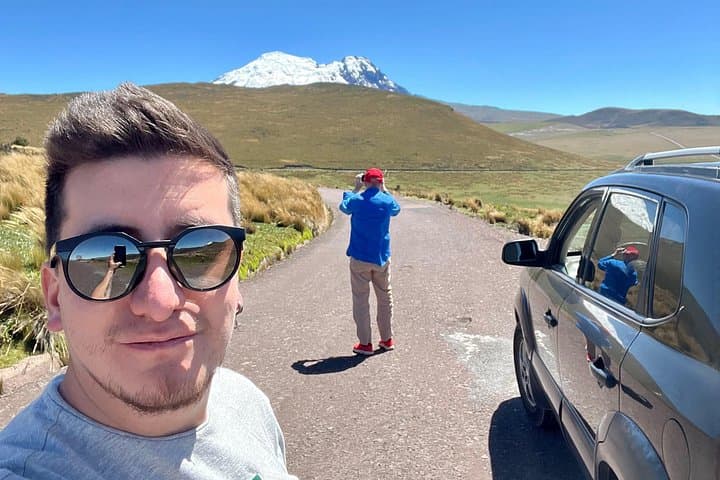
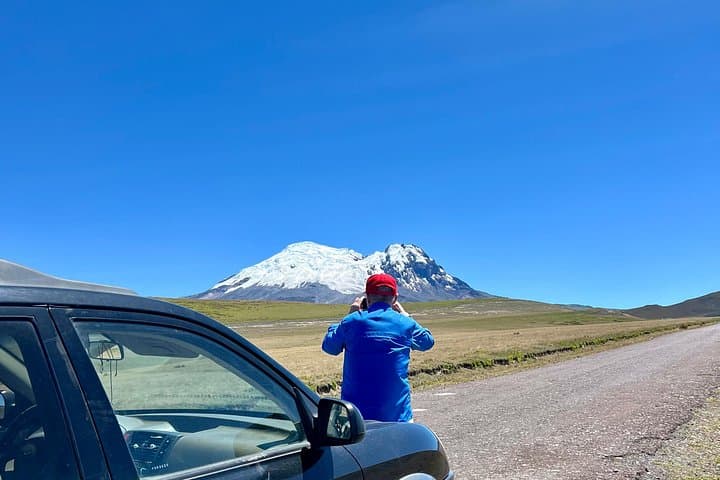
A thin, cold light spreads across the páramo as the van peels away from Quito and climbs toward Antisana. Wind scours the high grass; volcanic shoulders loom and the road threads between them. Condors wheel like punctuation in the sky; peat-stained lagoons reflect a high, merciless blue. By midmorning you stand at a mirador where Antisana’s glaciated flanks watch over the valley, and the Andean air feels like a dare to keep moving.
A thin, cold light spreads across the páramo as the van peels away from Quito and climbs toward Antisana. Wind scours the high grass; volcanic shoulders loom and the road threads between them. Condors wheel like punctuation in the sky; peat-stained lagoons reflect a high, merciless blue. By midmorning you stand at a mirador where Antisana’s glaciated flanks watch over the valley, and the Andean air feels like a dare to keep moving.
This route traces young volcanic geology and human history—Andean peaks carved by lava and ice, shepherding routes once used by indigenous communities and later surveyed in colonial maps. The Antisana Reserve protects paramo ecosystems that filter water into eastern Amazon tributaries; nearby Papallacta has long been valued for its mineral hot springs, a cultural refuge where locals and visitors alike seek warmth and healing.
Expect short, easy walks around Laguna de la Mica and frequent photo stops rather than technical hiking. Wildlife sightings can be fleeting—condors, carunculated geese, and the rare spectacled bear in distant brush—but the landscape itself feels alive: wind and water conspiring to shape the day.
Practicalities: altitude reaches over 3,200–3,600 m, so hydrate and take it slow; the tour runs about 10–11 hours including transport. Bring layered clothing, waterproof outerwear, sturdy shoes for uneven trails, and a swimsuit and towel for the thermal pools. If you have cardiovascular concerns, this trip is not advised. Plan for sudden weather changes and allow time to savor both the wild highlands and the restorative warmth of Papallacta’s springs.