THE ADVENTURE COLLECTIVE® · Independent discovery and booking for outdoor travel

A private full-day birdwatching tour around Antisana’s high Andean lagoons — spot condors, giant hummingbirds and resident waterfowl while traversing volcanic landscapes and páramo vistas.
A private full-day birdwatching tour around Antisana’s high Andean lagoons — spot condors, giant hummingbirds and resident waterfowl while traversing volcanic landscapes and páramo vistas.
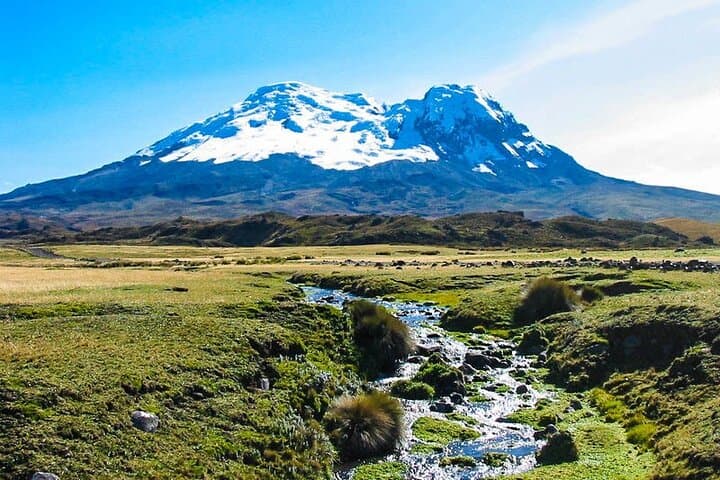
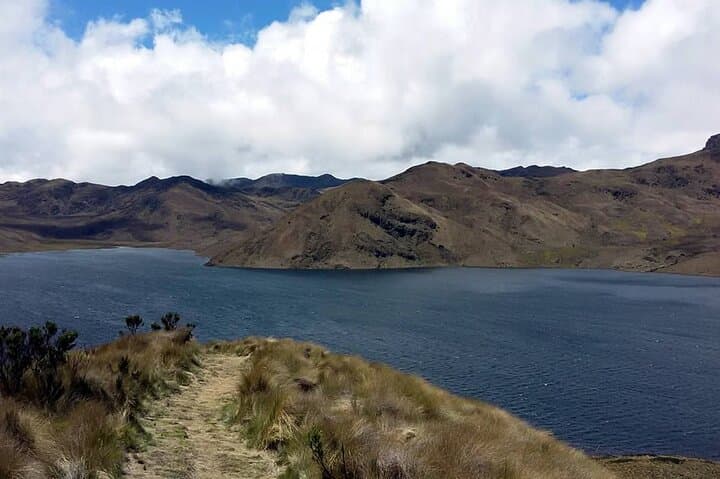
Morning light arrives cold and thin on the páramo as your vehicle climbs away from Quito toward Antisana. You step out at Secas Lagoon and the air, crisp at nearly 4,000 m, feels like a hand pushing you forward; islands of petrified lava puncture the wet grass and ponds reflect a sky that seems closer here.
Verified experiences and guided adventures in the surrounding area.
Operated by Great Horned Owl Tours · Quito, Pichincha
Morning light arrives cold and thin on the páramo as your vehicle climbs away from Quito toward Antisana. You step out at Secas Lagoon and the air, crisp at nearly 4,000 m, feels like a hand pushing you forward; islands of petrified lava puncture the wet grass and ponds reflect a sky that seems closer here.
The route threads through Pintag and past la Mica lagoon, crossing ground shaped by volcanic flows from Antisana centuries ago. Geology and ecology collide: volcanic rock gives way to wetland basins that host Andean ruddy ducks and silvery grebe while winds sculpt the grasses that the carunculated cara-cara and paramo pipit favor. Cultural notes surface at roadside hamlets and the viewpoint of Isco, where local lore and the restaurant Tambo Condor converge — people have shared high-Andean hospitality here for generations.
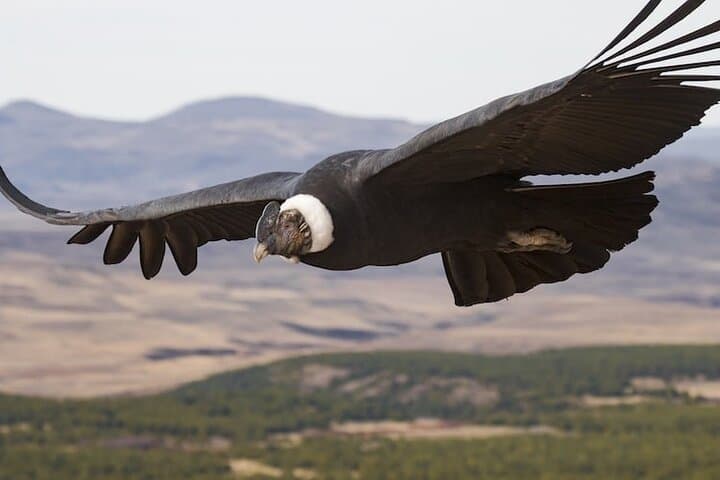
Expect focused birding with a guide, supplied binoculars and telescope, and concentrated viewing sessions at lagoons and a condor roost. Species highlights include Andean condor, giant hummingbird, Ecuadorian hillstar, Andean coot and black-faced ibis; watch for variable hawk riding thermals. The day is long (7–8 hours) and high; altitude, sun and sudden weather shifts are the practical realities.
Plan to dress in layers, carry water, protect skin from strong equatorial sun, and move deliberately to acclimatize. Respect viewing distances at roosts and keep noise low: these birds are used to being watched, not hurried. The reward is tight, unforgettable encounters with high-Andean wildlife against a raw volcanic backdrop.
moderate.
7–8 hours.
Moderate fitness and basic stamina; prior acclimatization to high altitude strongly recommended
Departures typically begin at 7:00 AM and the full-day private tour runs about 7–8 hours (420–480 minutes).
Sites reach near 4,000 m (about 13,000 ft). If you’re not acclimatized you may feel breathless or light-headed; rest, hydrate and ascend slowly.
Yes—guides provide binoculars and a spotting scope, though many travelers bring personal optics for convenience.
A typical Andean lunch at Tambo Condor is included in the itinerary, giving a chance to watch condors while you eat.
Secas Lagoon and nearby basins formed where Antisana’s lava flows altered drainage centuries ago; the area sits within traditional Andean grazing and farming territory.
Antisana and surrounding páramo are ecologically sensitive—stay on trails, pack out waste, and avoid disturbing nesting or roosting birds to minimize your impact.
Great Horned Owl Tours operates guided outdoor trips and adventures with an emphasis on safety, stewardship, and memorable experiences.
Morning light arrives cold and thin on the páramo as your vehicle climbs away from Quito toward Antisana. You step out at Secas Lagoon and the air, crisp at nearly 4,000 m, feels like a hand pushing you forward; islands of petrified lava puncture the wet grass and ponds reflect a sky that seems closer here.
Morning light arrives cold and thin on the páramo as your vehicle climbs away from Quito toward Antisana. You step out at Secas Lagoon and the air, crisp at nearly 4,000 m, feels like a hand pushing you forward; islands of petrified lava puncture the wet grass and ponds reflect a sky that seems closer here.
The route threads through Pintag and past la Mica lagoon, crossing ground shaped by volcanic flows from Antisana centuries ago. Geology and ecology collide: volcanic rock gives way to wetland basins that host Andean ruddy ducks and silvery grebe while winds sculpt the grasses that the carunculated cara-cara and paramo pipit favor. Cultural notes surface at roadside hamlets and the viewpoint of Isco, where local lore and the restaurant Tambo Condor converge — people have shared high-Andean hospitality here for generations.
Expect focused birding with a guide, supplied binoculars and telescope, and concentrated viewing sessions at lagoons and a condor roost. Species highlights include Andean condor, giant hummingbird, Ecuadorian hillstar, Andean coot and black-faced ibis; watch for variable hawk riding thermals. The day is long (7–8 hours) and high; altitude, sun and sudden weather shifts are the practical realities.
Plan to dress in layers, carry water, protect skin from strong equatorial sun, and move deliberately to acclimatize. Respect viewing distances at roosts and keep noise low: these birds are used to being watched, not hurried. The reward is tight, unforgettable encounters with high-Andean wildlife against a raw volcanic backdrop.