THE ADVENTURE COLLECTIVE® · Independent discovery and booking for outdoor travel

Spend a private day from Quito into the Antisana Ecological Reserve searching for Andean condors and high‑altitude wildlife. This full‑day tour mixes panoramic viewpoints, short páramo walks, and guided naturalist insight with hotel pickup and lunch included.
Spend a private day from Quito into the Antisana Ecological Reserve searching for Andean condors and high‑altitude wildlife. This full‑day tour mixes panoramic viewpoints, short páramo walks, and guided naturalist insight with hotel pickup and lunch included.
Early light strips the páramo into long, cold shadows as a private vehicle climbs out of Quito toward Antisana. Wind pushes at the high grass and the reserve answers with a chorus of thin, raptor-shaped silhouettes as the Andean condor tests thermals above Isco Canyon. The guide scans the ridge while passengers huddle into warm layers, binoculars up — minutes stretch and then a wingbeat fills the sky.
Verified experiences and guided adventures in the surrounding area.
Operated by Mirlo Tours · Quito, Pichincha
Early light strips the páramo into long, cold shadows as a private vehicle climbs out of Quito toward Antisana. Wind pushes at the high grass and the reserve answers with a chorus of thin, raptor-shaped silhouettes as the Andean condor tests thermals above Isco Canyon. The guide scans the ridge while passengers huddle into warm layers, binoculars up — minutes stretch and then a wingbeat fills the sky.
Antisana is an ice-and-volcano landmark of the central Andes, carved by glaciers and shaped by eruptions over millennia. The ecological reserve protects high-elevation wetlands and páramo — a sponge of peat and tussock that feeds downstream communities. Local towns like Pintag and small haciendas still practice highland agriculture; for centuries Andean people have read the weather and wildlife as part of life here.
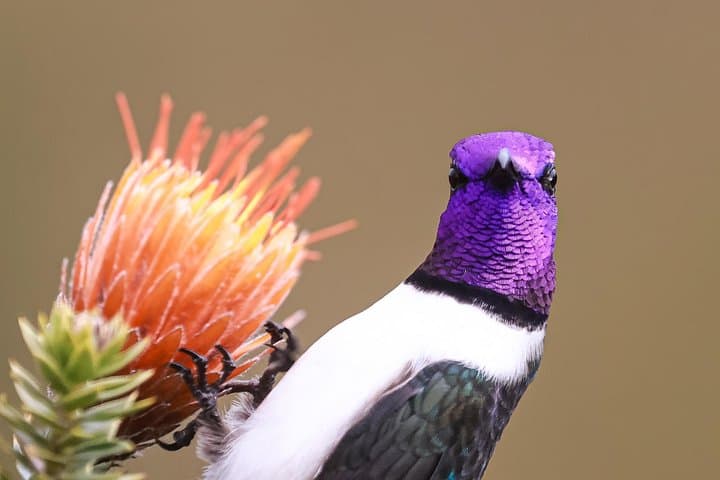
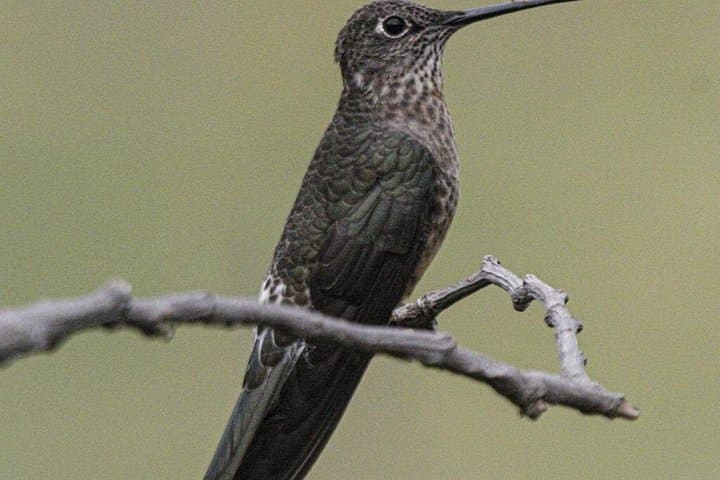
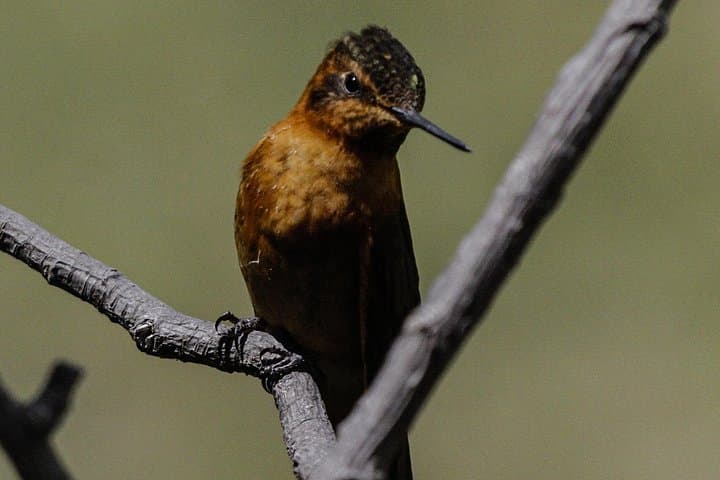
On this full-day private tour from Quito, expect a mix of roadside viewing platforms and short, guided walks across uneven páramo terrain. Guides emphasize quiet observation: condors prefer open thermals and exposed ridgelines, hummingbird feeders attract small flurries near visitor areas, and endemic grasses host insects and ground birds.
Practical notes: altitude hits 3,500–4,500 m so pace yourself; layers, sun protection, and hydration are non-negotiable. Paths are wet and can be boggy after rain; sturdy, water-resistant boots help. Tours include reserve admission, a naturalist guide, hotel pickup, and lunch at a planned site. Aim for early morning departures for the best condor flight windows and clear light for photography.
moderate.
6–8 hours.
Moderate fitness recommended; able to walk short uneven trails and tolerate high altitude.
The tour runs about 6–8 hours and typically includes hotel pickup/drop-off, a bilingual naturalist guide, reserve admission, entry to Tambo condor, and lunch at a scheduled site.
Early morning is best — thermals build as the day warms and condors often take flight from ridgelines mid‑morning; clear weather improves sightings.
Yes — the reserve sits between roughly 3,500 and 4,500 meters; acclimatization, hydration, and avoiding alcohol beforehand help reduce symptoms.
Walks are short but on uneven, sometimes boggy ground; travelers should have moderate mobility. Not recommended for those with serious spinal, heart, or pregnancy restrictions.
Antisana forms part of an ancient volcanic chain that shaped local settlement and water systems; the páramo has long supported indigenous grazing and seasonal routes.
The páramo is fragile — stick to trails, avoid disturbing wildlife, and support local reserves that manage water and biodiversity.
Mirlo Tours operates guided outdoor trips and adventures with an emphasis on safety, stewardship, and memorable experiences.
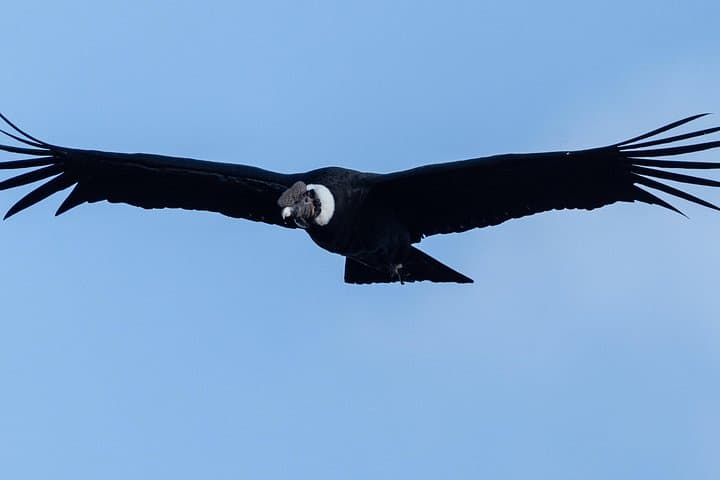
Early light strips the páramo into long, cold shadows as a private vehicle climbs out of Quito toward Antisana. Wind pushes at the high grass and the reserve answers with a chorus of thin, raptor-shaped silhouettes as the Andean condor tests thermals above Isco Canyon. The guide scans the ridge while passengers huddle into warm layers, binoculars up — minutes stretch and then a wingbeat fills the sky.
Early light strips the páramo into long, cold shadows as a private vehicle climbs out of Quito toward Antisana. Wind pushes at the high grass and the reserve answers with a chorus of thin, raptor-shaped silhouettes as the Andean condor tests thermals above Isco Canyon. The guide scans the ridge while passengers huddle into warm layers, binoculars up — minutes stretch and then a wingbeat fills the sky.
Antisana is an ice-and-volcano landmark of the central Andes, carved by glaciers and shaped by eruptions over millennia. The ecological reserve protects high-elevation wetlands and páramo — a sponge of peat and tussock that feeds downstream communities. Local towns like Pintag and small haciendas still practice highland agriculture; for centuries Andean people have read the weather and wildlife as part of life here.
On this full-day private tour from Quito, expect a mix of roadside viewing platforms and short, guided walks across uneven páramo terrain. Guides emphasize quiet observation: condors prefer open thermals and exposed ridgelines, hummingbird feeders attract small flurries near visitor areas, and endemic grasses host insects and ground birds.
Practical notes: altitude hits 3,500–4,500 m so pace yourself; layers, sun protection, and hydration are non-negotiable. Paths are wet and can be boggy after rain; sturdy, water-resistant boots help. Tours include reserve admission, a naturalist guide, hotel pickup, and lunch at a planned site. Aim for early morning departures for the best condor flight windows and clear light for photography.