THE ADVENTURE COLLECTIVE® · Independent discovery and booking for outdoor travel

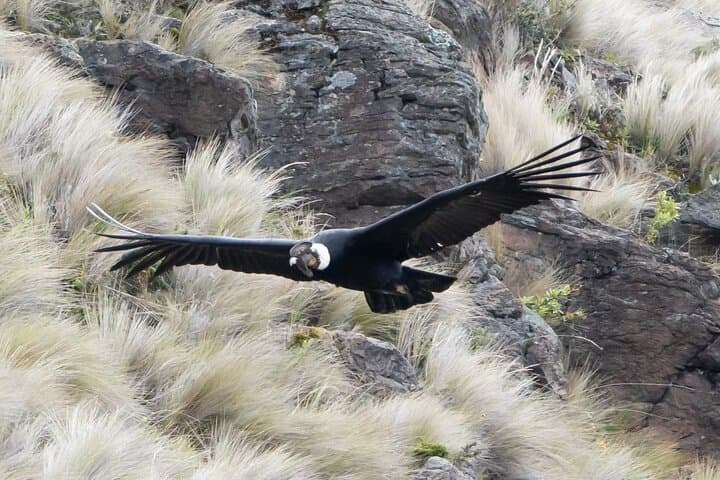
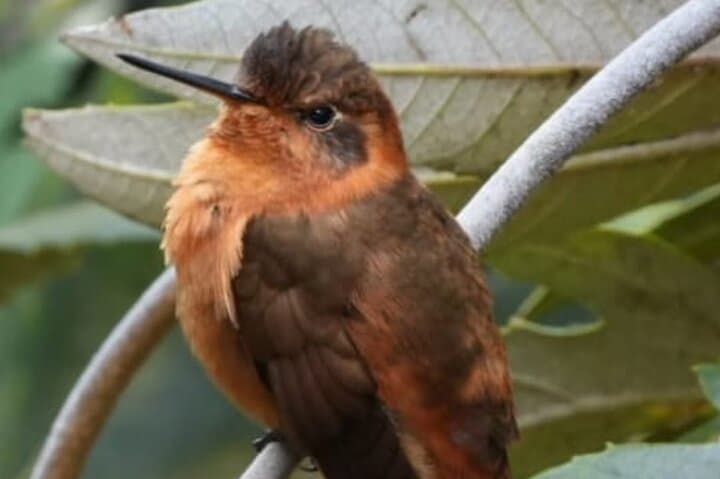
Head east from Quito into high páramo where Andean condors ride thermals and hummingbirds flit around feeders. This full‑day Antisana tour blends wildlife viewing, volcano scenery, and historical stops tied to Humboldt.
Head east from Quito into high páramo where Andean condors ride thermals and hummingbirds flit around feeders. This full‑day Antisana tour blends wildlife viewing, volcano scenery, and historical stops tied to Humboldt.
At first light the road out of Quito unspools into high grasslands and a wind that always seems to be moving things forward. Within an hour the city’s noise falls away and the Antisana massif fills the horizon — a gray, glaciated cone rising above páramo at roughly 9,843 feet at base stops and ultimately topping near 18,713 feet.
Verified experiences and guided adventures in the surrounding area.
Operated by Galapagos My World · Quito, Pichincha
At first light the road out of Quito unspools into high grasslands and a wind that always seems to be moving things forward. Within an hour the city’s noise falls away and the Antisana massif fills the horizon — a gray, glaciated cone rising above páramo at roughly 9,843 feet at base stops and ultimately topping near 18,713 feet.
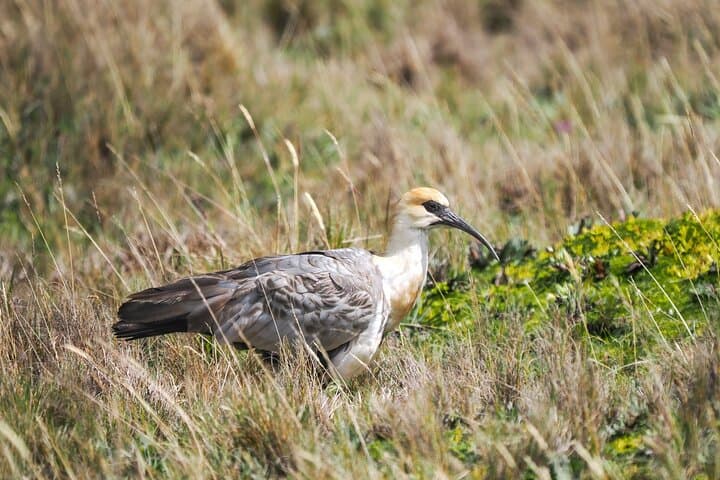
The reserve is shaped by volcanic geology and Andean climate: glaciers, peat bogs, and porous volcanic soils that feed small lagoons like Mica. Naturalists have been coming here since Alexander von Humboldt’s 1802 visit; later explorers documented the area’s unique high‑altitude fauna. Today the place reads like a field guide — Andean condors wheel on thermals, hummingbirds dart near feeders, and grassland specialists like the Paramo pipit and Tawny Antpitta use the scrub and tussocks.
Practical planning matters. Tours are full‑day trips from Quito (about 6–7 hours), often with hotel pickup and a professional guide. Early mornings give the best light and condor activity; afternoons bring clouds and drizzle during the wet months. Expect cold, wind, and intense sun — layers, a warm hat, and sunscreen are essential.
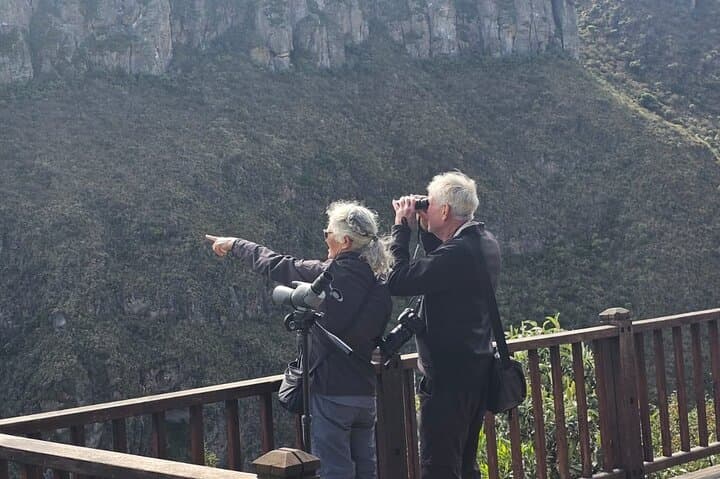
Bring binoculars and a telephoto lens, keep noise low near feeders and nests, and allow time at the Tambo Condor viewpoint where condors and several hummingbird species frequent the feeders. Respect park rules, avoid off‑trail wandering to protect fragile páramo, and allow a few minutes at each stop to let wildlife reappear — patience is as important as optics on this high Andean day trip.
moderate.
6–7 hours.
Moderate fitness; able to walk short meadow trails at high elevation and tolerate cold, wind, and thin air
This is a full‑day (about 6–7 hour) excursion that typically includes hotel pickup in Quito and returns the same day.
Condors are regularly seen but sightings are never guaranteed; mornings during the drier months increase your odds.
Antisana sits at high elevation; anyone with cardiovascular issues should consult a doctor — take it slow, hydrate, and carry any necessary medications.
Policies vary; many operators include transport and guiding but confirm whether entrance fees are covered when booking.
Alexander von Humboldt visited the volcano in 1802; subsequent naturalists documented Antisana’s unique páramo ecosystems and birdlife.
The páramo is sensitive: stay on paths, avoid disturbing feeding areas, and follow guide instructions to minimize impact.
Galapagos My World operates guided outdoor trips and adventures with an emphasis on safety, stewardship, and memorable experiences.
At first light the road out of Quito unspools into high grasslands and a wind that always seems to be moving things forward. Within an hour the city’s noise falls away and the Antisana massif fills the horizon — a gray, glaciated cone rising above páramo at roughly 9,843 feet at base stops and ultimately topping near 18,713 feet.
At first light the road out of Quito unspools into high grasslands and a wind that always seems to be moving things forward. Within an hour the city’s noise falls away and the Antisana massif fills the horizon — a gray, glaciated cone rising above páramo at roughly 9,843 feet at base stops and ultimately topping near 18,713 feet.
The reserve is shaped by volcanic geology and Andean climate: glaciers, peat bogs, and porous volcanic soils that feed small lagoons like Mica. Naturalists have been coming here since Alexander von Humboldt’s 1802 visit; later explorers documented the area’s unique high‑altitude fauna. Today the place reads like a field guide — Andean condors wheel on thermals, hummingbirds dart near feeders, and grassland specialists like the Paramo pipit and Tawny Antpitta use the scrub and tussocks.
Practical planning matters. Tours are full‑day trips from Quito (about 6–7 hours), often with hotel pickup and a professional guide. Early mornings give the best light and condor activity; afternoons bring clouds and drizzle during the wet months. Expect cold, wind, and intense sun — layers, a warm hat, and sunscreen are essential.
Bring binoculars and a telephoto lens, keep noise low near feeders and nests, and allow time at the Tambo Condor viewpoint where condors and several hummingbird species frequent the feeders. Respect park rules, avoid off‑trail wandering to protect fragile páramo, and allow a few minutes at each stop to let wildlife reappear — patience is as important as optics on this high Andean day trip.