THE ADVENTURE COLLECTIVE® · Independent discovery and booking for outdoor travel

Combine pre-Columbian ruins with colonial architecture on a full-day tour from Antigua. Walk Iximché's pyramids, explore Antigua's plazas and museums, and finish with coffee or draft beer on a rooftop at sunset.
Combine pre-Columbian ruins with colonial architecture on a full-day tour from Antigua. Walk Iximché's pyramids, explore Antigua's plazas and museums, and finish with coffee or draft beer on a rooftop at sunset.
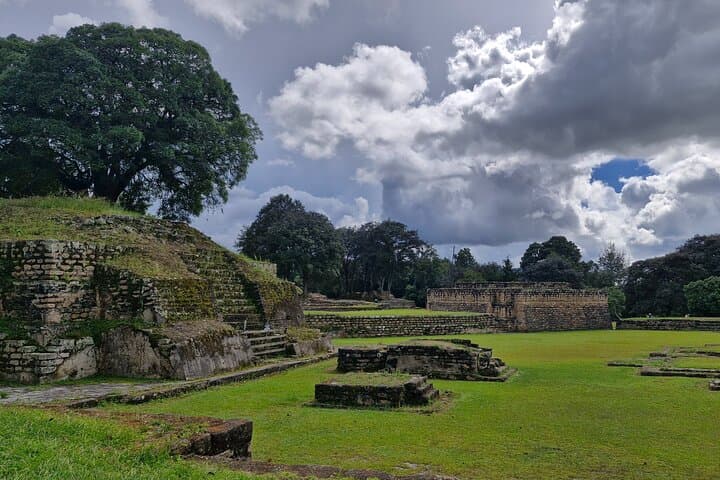
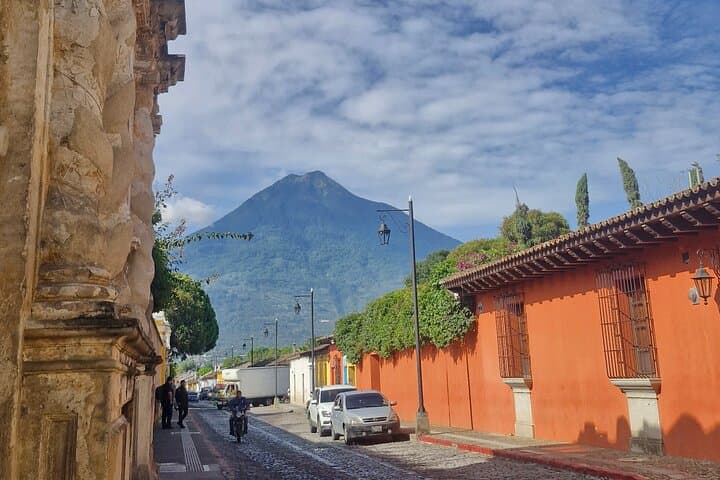
You arrive before the light softens over Antigua's volcanic skyline—cobblestones cool underfoot, and the city's baroque facades sit against a chain of distant cones. The day opens with a drive into the highlands to Iximché, where cut stone pyramids and plaza foundations rise from scrub and pine.
Verified experiences and guided adventures in the surrounding area.
Operated by Guatemala Freelife Tours & Experiences · Antigua Guatemala, Sacatepéquez
You arrive before the light softens over Antigua's volcanic skyline—cobblestones cool underfoot, and the city's baroque facades sit against a chain of distant cones. The day opens with a drive into the highlands to Iximché, where cut stone pyramids and plaza foundations rise from scrub and pine.
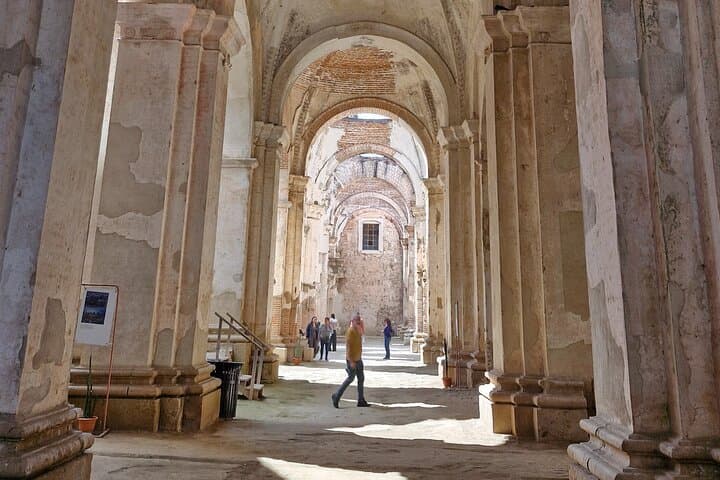
Iximché was a late Postclassic Kaqchikel capital; its plazas, ball courts and carved stelae give a clear view into 15th–16th century Maya civic life. Geologically, the site perches on volcanic soils shaped by eruptions from nearby Fuego and Agua, which supplied the basalt and fertile ash that supported settlement. Moving back to Antigua, the contrast is striking: Spanish colonial ruins, baroque churches and narrow streets reflecting the city’s role as the former colonial capital of Central America.
Culturally, the tour folds living Mayan tradition into the itinerary—local dress, ritual offerings, and contemporary coffee culture meet chocolate and jade exhibits that explain pre- and post-contact craft economies.
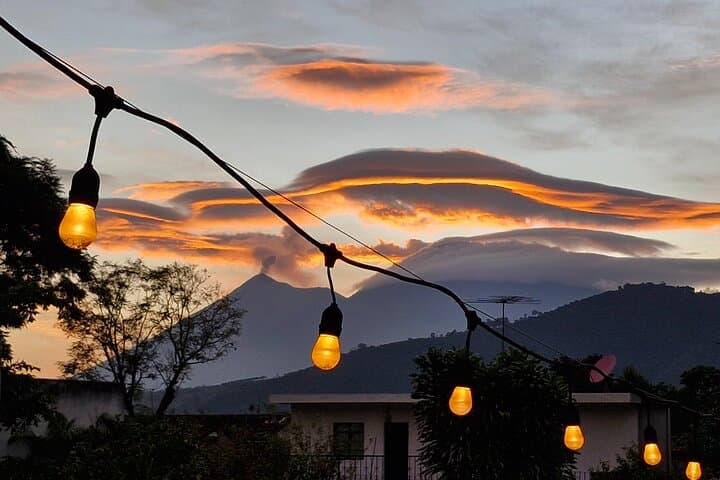
Practical guidance: expect 6–8 hours with a mix of easy walking and short climbs at Iximché; bring sun protection and a refillable bottle, and wear sturdy shoes for uneven ruins and cobbles. If you want photographs of the sunset and volcano silhouettes, plan to be on the rooftop terrace 30–45 minutes before dusk.
Respect on-site rules at Iximché, follow your guide during ritual demonstrations, and budget time for traffic between sites—Antigua’s streets can slow an otherwise precise schedule.
easy.
6–8 hours.
Suitable for travelers in average fitness; involves several hours of walking and short uneven climbs at archaeological sites.
Most operators offer pickup within Antigua; confirm your pickup point at booking and allow extra time for narrow streets and traffic.
Yes—this tour includes admission to the archaeological site, as indicated in the itinerary inclusions.
The operator notes infants and small children can use strollers, but expect uneven terrain at the ruins—a baby carrier is more practical for Iximché.
Yes—participants can enjoy either a specialty coffee or a draft beer as part of the experience during the sunset segment.
Iximché was a Kaqchikel capital in the 15th–16th centuries and later the site of early contact with Spanish conquistadors; Antigua served as colonial Central America's capital until 1773 earthquakes prompted relocation.
Iximché is a protected archaeological site—stay on marked paths, avoid removing artifacts or stones, and minimize single‑use plastic to reduce waste at both ruins and city sites.
Guatemala Freelife Tours & Experiences operates guided outdoor trips and adventures with an emphasis on safety, stewardship, and memorable experiences.
You arrive before the light softens over Antigua's volcanic skyline—cobblestones cool underfoot, and the city's baroque facades sit against a chain of distant cones. The day opens with a drive into the highlands to Iximché, where cut stone pyramids and plaza foundations rise from scrub and pine.
You arrive before the light softens over Antigua's volcanic skyline—cobblestones cool underfoot, and the city's baroque facades sit against a chain of distant cones. The day opens with a drive into the highlands to Iximché, where cut stone pyramids and plaza foundations rise from scrub and pine.
Iximché was a late Postclassic Kaqchikel capital; its plazas, ball courts and carved stelae give a clear view into 15th–16th century Maya civic life. Geologically, the site perches on volcanic soils shaped by eruptions from nearby Fuego and Agua, which supplied the basalt and fertile ash that supported settlement. Moving back to Antigua, the contrast is striking: Spanish colonial ruins, baroque churches and narrow streets reflecting the city’s role as the former colonial capital of Central America.
Culturally, the tour folds living Mayan tradition into the itinerary—local dress, ritual offerings, and contemporary coffee culture meet chocolate and jade exhibits that explain pre- and post-contact craft economies.
Practical guidance: expect 6–8 hours with a mix of easy walking and short climbs at Iximché; bring sun protection and a refillable bottle, and wear sturdy shoes for uneven ruins and cobbles. If you want photographs of the sunset and volcano silhouettes, plan to be on the rooftop terrace 30–45 minutes before dusk.
Respect on-site rules at Iximché, follow your guide during ritual demonstrations, and budget time for traffic between sites—Antigua’s streets can slow an otherwise precise schedule.