THE ADVENTURE COLLECTIVE® · Independent discovery and booking for outdoor travel

Spend 4–5 hours moving from chocolate kitchens to market stalls and a macadamia plantation around Antigua. This private tour highlights Mayan weaving, colonial plazas and local food traditions with private transport and guided insights.
Spend 4–5 hours moving from chocolate kitchens to market stalls and a macadamia plantation around Antigua. This private tour highlights Mayan weaving, colonial plazas and local food traditions with private transport and guided insights.
You step out of Antigua’s cobbled streets into a ribbon of highland road. Volcanoes flank the valley—Agua, Fuego and Acatenango—breathing ash and shadow as you head toward villages where markets spill color and smoke from wood stoves curls like thread through alleys.
Verified experiences and guided adventures in the surrounding area.
Operated by ciudadviejayantigua · Antigua Guatemala, Sacatepéquez
You step out of Antigua’s cobbled streets into a ribbon of highland road. Volcanoes flank the valley—Agua, Fuego and Acatenango—breathing ash and shadow as you head toward villages where markets spill color and smoke from wood stoves curls like thread through alleys.
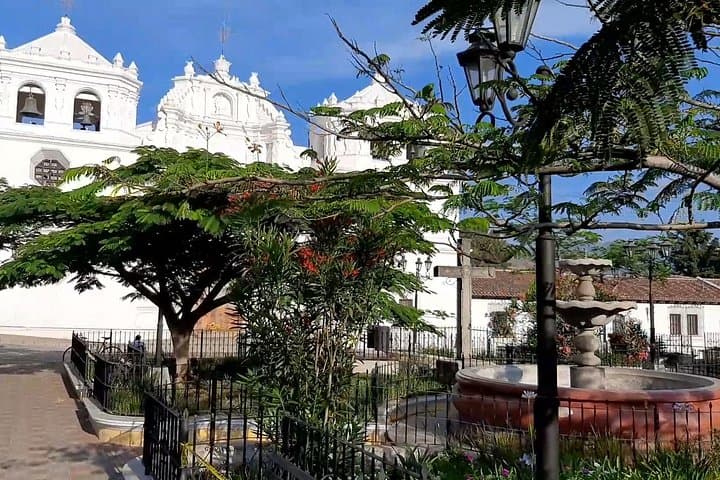
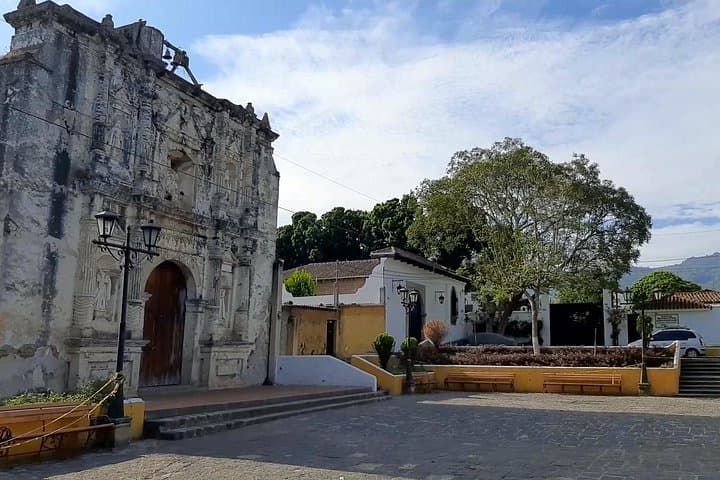
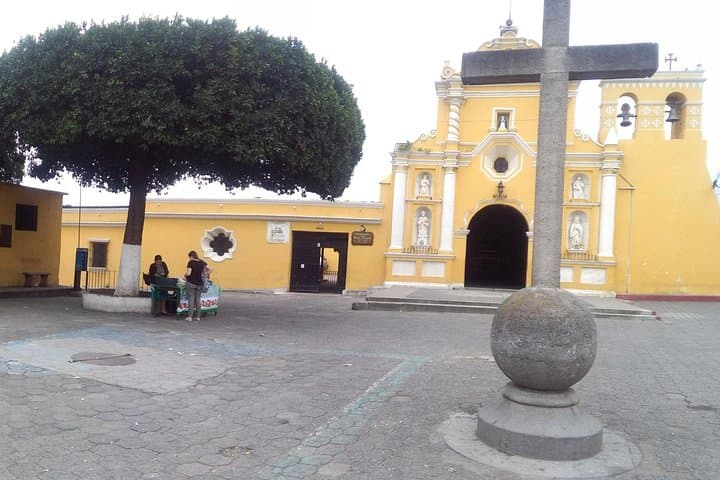
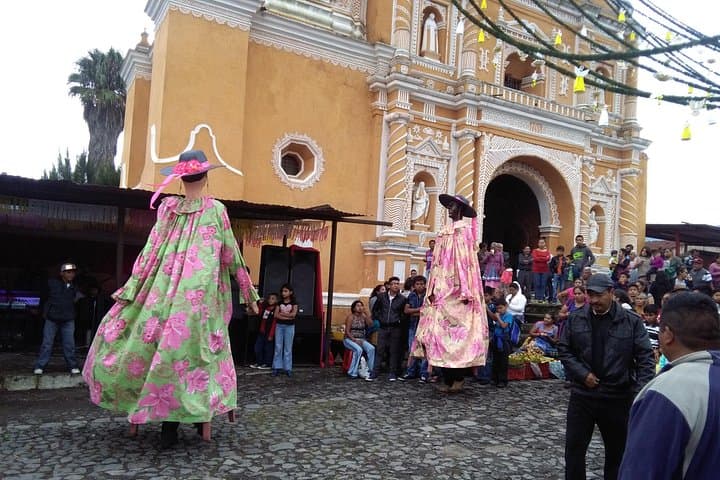
These communities sit on the geological edge of the Panchoy Valley, built atop volcanic soils that made the region fertile and, historically, vulnerable to earthquakes that moved the colonial capital to Antigua. Here, Spanish-era churches and chapel posas stand amid Mayan agricultural fields, and artisanal cocoa kitchens keep an afternoon tradition alive: thick hot chocolate served with molletes.
The day traces culture in three acts: a chocolate family workshop, a bustling produce market where huipiles and vegetables are traded face-to-face, and a weaving demonstration where backstrap looms sing generational patterns. The finale is a macadamia plantation walk—rows of trees that punctuate the landscape and offer a lesson about agroforestry and local processing.
Practical edge: plan for 4–5 hours of mostly flat walking with short cobbled streets; private transport reduces transfers but expect uneven surfaces and steps at plazas. Bring small bills for markets, a light rain jacket during the wet season, and modest clothing for church visits. Cameras are welcome, but ask before photographing people or weaving demonstrations. Hydrate at altitude (Antigua ~1,530 m) and taste slow-made chocolate—this tour pairs sensory detail with clear cultural context, making village life accessible without rush.
easy.
4–5 hours.
Suitable for most fitness levels; involves short walks on cobbles and standing during demonstrations.
Yes—private transportation between Antigua and the villages is included as part of the tour.
Samples like hot chocolate and macadamia products are typically included, but full meals may not be—confirm with the operator.
The tour is family-friendly, but infants must sit on an adult’s lap; some stops involve steps and uneven ground.
You can purchase textiles directly from weavers—ask about prices and origins—and always request permission before photographing artisans.
Antigua served as the colonial capital before seismic activity and fires prompted relocation; many villages retain colonial churches and pre-Hispanic weaving traditions that predate Spanish rule.
Local macadamia and agroforestry practices contribute to green corridors; visitors are encouraged to buy locally made goods and minimize single-use plastics to support sustainable incomes.
ciudadviejayantigua operates guided outdoor trips and adventures with an emphasis on safety, stewardship, and memorable experiences.
You step out of Antigua’s cobbled streets into a ribbon of highland road. Volcanoes flank the valley—Agua, Fuego and Acatenango—breathing ash and shadow as you head toward villages where markets spill color and smoke from wood stoves curls like thread through alleys.
You step out of Antigua’s cobbled streets into a ribbon of highland road. Volcanoes flank the valley—Agua, Fuego and Acatenango—breathing ash and shadow as you head toward villages where markets spill color and smoke from wood stoves curls like thread through alleys.
These communities sit on the geological edge of the Panchoy Valley, built atop volcanic soils that made the region fertile and, historically, vulnerable to earthquakes that moved the colonial capital to Antigua. Here, Spanish-era churches and chapel posas stand amid Mayan agricultural fields, and artisanal cocoa kitchens keep an afternoon tradition alive: thick hot chocolate served with molletes.
The day traces culture in three acts: a chocolate family workshop, a bustling produce market where huipiles and vegetables are traded face-to-face, and a weaving demonstration where backstrap looms sing generational patterns. The finale is a macadamia plantation walk—rows of trees that punctuate the landscape and offer a lesson about agroforestry and local processing.
Practical edge: plan for 4–5 hours of mostly flat walking with short cobbled streets; private transport reduces transfers but expect uneven surfaces and steps at plazas. Bring small bills for markets, a light rain jacket during the wet season, and modest clothing for church visits. Cameras are welcome, but ask before photographing people or weaving demonstrations. Hydrate at altitude (Antigua ~1,530 m) and taste slow-made chocolate—this tour pairs sensory detail with clear cultural context, making village life accessible without rush.