THE ADVENTURE COLLECTIVE® · Independent discovery and booking for outdoor travel

Spend a full day exploring Antigua’s colonial core, convent ruins, jade museum, and Cerro de la Cruz viewpoints. This guided excursion pairs cultural insights with easy walking through cobbled streets and dramatic volcano backdrops.
Spend a full day exploring Antigua’s colonial core, convent ruins, jade museum, and Cerro de la Cruz viewpoints. This guided excursion pairs cultural insights with easy walking through cobbled streets and dramatic volcano backdrops.
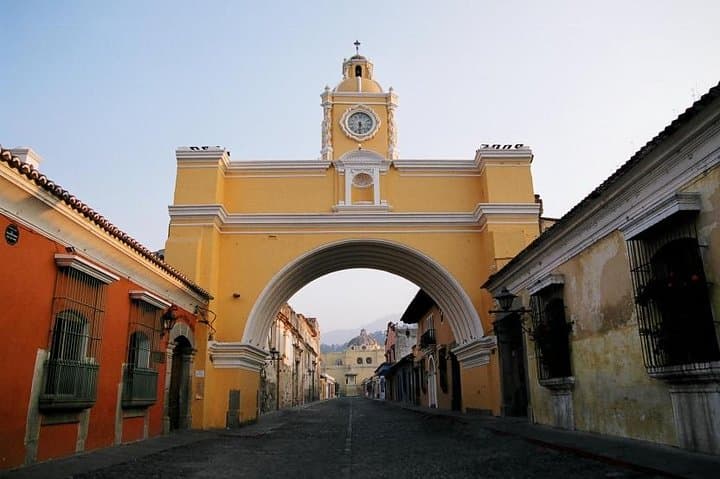
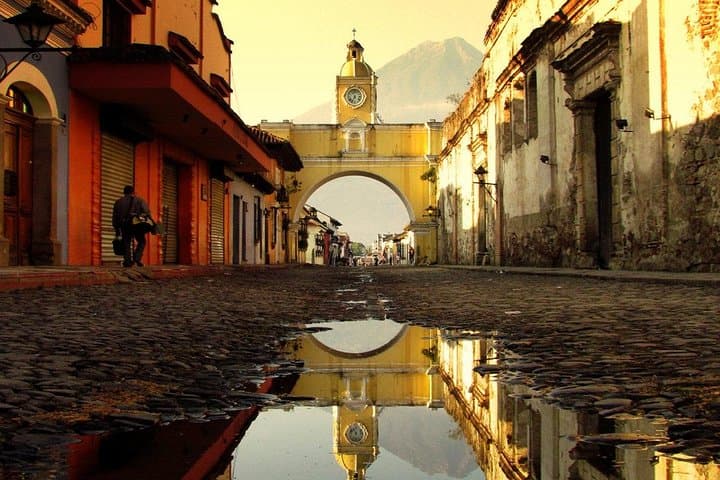
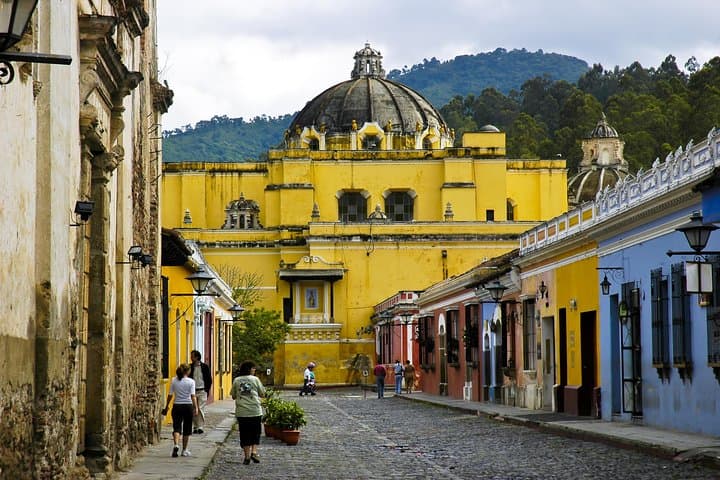
Morning light slices across red-tiled roofs as the minivan eases into Antigua’s central plaza and the city wakes around its baroque facades. Cobbled streets click underfoot; church bells cut through the cool air while the hulking silhouettes of Agua and Fuego volcanoes stand like watchful neighbors beyond the city.
Verified experiences and guided adventures in the surrounding area.
Operated by Salvadorean Tours · Antigua Guatemala, Sacatepéquez
Morning light slices across red-tiled roofs as the minivan eases into Antigua’s central plaza and the city wakes around its baroque facades. Cobbled streets click underfoot; church bells cut through the cool air while the hulking silhouettes of Agua and Fuego volcanoes stand like watchful neighbors beyond the city.
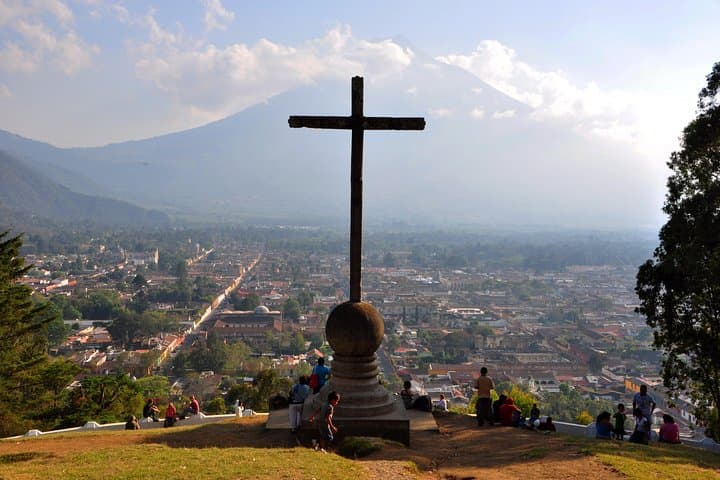
Antigua was the Spanish capital of Central America until an 18th‑century earthquake moved administration to present‑day Guatemala City. The city’s architecture reflects seismic history—thick adobe walls, collapsed cloisters and repaired arches—and its stonework tells a story of colonial trade, indigenous crafts and religious orders. Geologically, the surrounding volcanic chain both shaped agricultural terraces and offered elevated viewpoints like Cerro de la Cruz, where travelers take in sweeping city-and-volcano panoramas.
Culturally, Antigua’s markets, jade museum and convent ruins reveal layers of Mayan and Spanish influence; vendors sell woven textiles and freshly roasted coffee that anchor visits in local life.
Practical side: expect a full‑day outing (vehicle transfers and multiple short stops). Wear sturdy shoes for uneven cobbles and light, layered clothing for sun and sudden showers. Bring small bills for entrance fees and markets; many heritage sites charge modest local fees. Cameras and comfortable walking pace are essential—this is a sightseeing day with several 15–45 minute stops rather than long hikes. If you’re traveling from San Salvador, plan for longer road time and early departure. Hydrate for elevation (Antigua sits around 1,500 m) and allow extra time to savor side streets and side‑of‑church viewpoints often missed on tighter itineraries.
easy.
14 hours.
Able to spend a full day on foot and in a vehicle; comfortable walking on uneven cobbles and standing during guided stops.
The listed duration is approximately 14 hours including transfers; expect an early departure if traveling from San Salvador and a full day of stops in Antigua.
Some sites in the itinerary require modest local entrance fees that may not be included—bring small bills to cover additional charges.
The tour is suitable for all fitness levels; infants must sit on an adult’s lap, and specialized infant seats may be available.
Walking is light to moderate—short guided walks around plazas, museums and convent ruins with periods on the vehicle between stops.
Antigua was the Spanish colonial capital until devastating earthquakes in the 18th century led to relocation; remaining ruins and repaired churches reflect that seismic past.
Antigua’s historic center is protected as a UNESCO World Heritage site; visitors are encouraged to stick to marked paths, avoid climbing fragile ruins, and support local businesses to sustain the cultural landscape.
Salvadorean Tours operates guided outdoor trips and adventures with an emphasis on safety, stewardship, and memorable experiences.
Morning light slices across red-tiled roofs as the minivan eases into Antigua’s central plaza and the city wakes around its baroque facades. Cobbled streets click underfoot; church bells cut through the cool air while the hulking silhouettes of Agua and Fuego volcanoes stand like watchful neighbors beyond the city.
Morning light slices across red-tiled roofs as the minivan eases into Antigua’s central plaza and the city wakes around its baroque facades. Cobbled streets click underfoot; church bells cut through the cool air while the hulking silhouettes of Agua and Fuego volcanoes stand like watchful neighbors beyond the city.
Antigua was the Spanish capital of Central America until an 18th‑century earthquake moved administration to present‑day Guatemala City. The city’s architecture reflects seismic history—thick adobe walls, collapsed cloisters and repaired arches—and its stonework tells a story of colonial trade, indigenous crafts and religious orders. Geologically, the surrounding volcanic chain both shaped agricultural terraces and offered elevated viewpoints like Cerro de la Cruz, where travelers take in sweeping city-and-volcano panoramas.
Culturally, Antigua’s markets, jade museum and convent ruins reveal layers of Mayan and Spanish influence; vendors sell woven textiles and freshly roasted coffee that anchor visits in local life.
Practical side: expect a full‑day outing (vehicle transfers and multiple short stops). Wear sturdy shoes for uneven cobbles and light, layered clothing for sun and sudden showers. Bring small bills for entrance fees and markets; many heritage sites charge modest local fees. Cameras and comfortable walking pace are essential—this is a sightseeing day with several 15–45 minute stops rather than long hikes. If you’re traveling from San Salvador, plan for longer road time and early departure. Hydrate for elevation (Antigua sits around 1,500 m) and allow extra time to savor side streets and side‑of‑church viewpoints often missed on tighter itineraries.