THE ADVENTURE COLLECTIVE® · Independent discovery and booking for outdoor travel

Walk Antigua’s colonial streets with a private guide and trace the city’s earthquake-scarred churches, jade workshops, and lively markets. This full-day tour balances historical depth with practical stops for photos, museums, and artisan studios.
Walk Antigua’s colonial streets with a private guide and trace the city’s earthquake-scarred churches, jade workshops, and lively markets. This full-day tour balances historical depth with practical stops for photos, museums, and artisan studios.
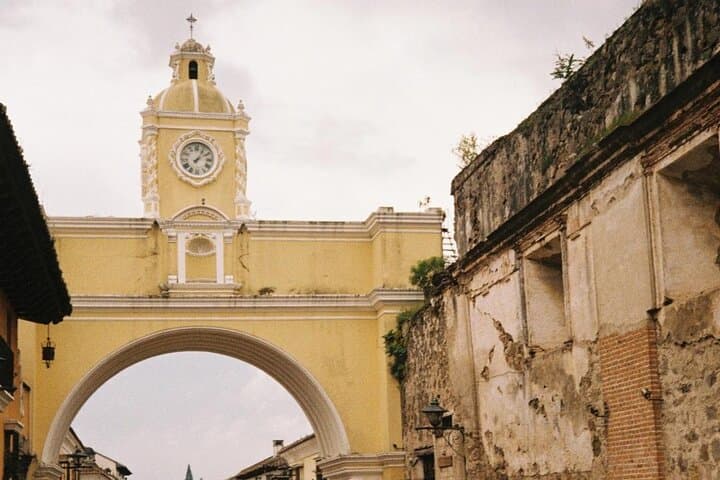
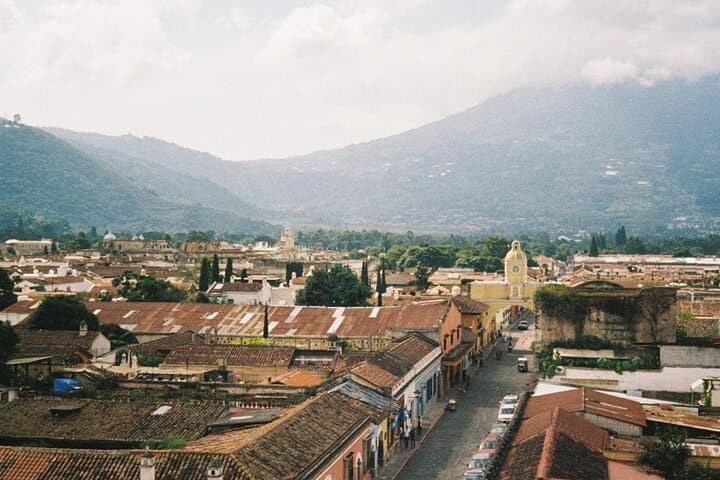
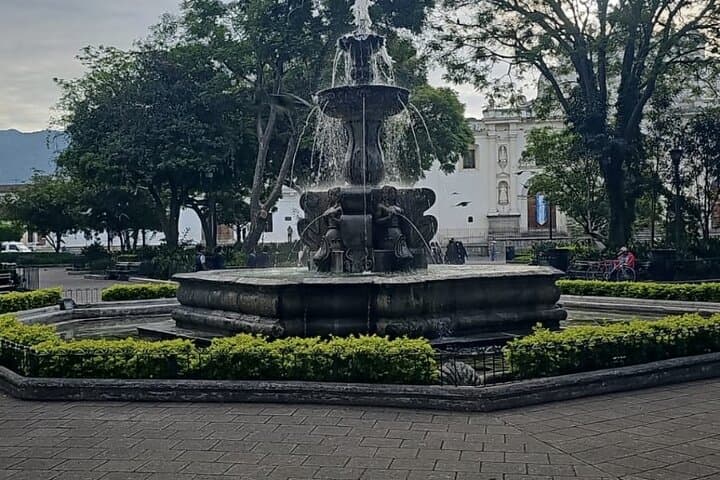
The morning begins on cobblestone that still remembers horse hooves and mule carts; smoke from street food carts threads through columns of light between colonial facades as the city wakes. Antigua’s three volcanoes stand like watchful neighbors, sometimes spilling steam that the air carries across plazas and ruined churches.
Verified experiences and guided adventures in the surrounding area.
Operated by Sensational Tours · Antigua Guatemala, Sacatepéquez
The morning begins on cobblestone that still remembers horse hooves and mule carts; smoke from street food carts threads through columns of light between colonial facades as the city wakes. Antigua’s three volcanoes stand like watchful neighbors, sometimes spilling steam that the air carries across plazas and ruined churches.
This full-day private tour moves through layers of history: Spanish baroque churches, the seismic scars of the 1773 Santa Marta earthquake, and the remains of cathedrals whose facades now host ferns and lichen. Geology is visible here — volcanic ash underfoot, red tile roofs, and the city’s grid laid over old lava-rich soils. Culture arrives in craft: jade workshops and family-run markets where artisans carve symbolism older than the republic.
Expect 5–10 km (3–6 miles) of mostly flat walking but with frequent steps and uneven cobbles; Antigua sits at roughly 1,500 m (4,900 ft), so mornings feel cool and afternoons warm. Stops typically include the ruins of major churches, the municipal palace viewpoint, an archaeology & jade museum, and artisan studios — some admissions are extra. Guides are certified and mix history with practical notes on local etiquette, street food safety, and bargaining at markets.
Practical guidance: wear sturdy walking shoes, carry a refillable water bottle, and plan for sun and sudden showers during the wet season. Bring small cash for museum fees and artisan purchases, and allow extra time for photography — Antigua rewards slow, observant travel.
moderate.
9–13 hours.
Moderate fitness; comfortable walking for several hours and negotiating cobbles and stairs is required.
Some visits include admission while others list entry fees separately; expect to pay small museum or ruin fees on-site unless the booking specifies otherwise.
Pickup location is requested at booking; many private tours offer hotel or meeting-point pickup but confirm the exact pickup point when you book.
Infants are allowed but must sit on laps; the operator does not recommend the tour for pregnant travelers due to the full-day schedule and walking on uneven surfaces.
Guides are certified and commonly speak Spanish and English, but confirm language preference at booking to ensure a bilingual guide if needed.
Antigua was Guatemala’s Spanish colonial capital until the 1773 Santa Marta earthquake damaged key structures; the city’s ruins and restored buildings trace that upheaval and colonial urban planning.
Conservation focuses on preserving fragile masonry and historic sites — visitors should avoid touching ruins, support certified local artisans, and minimize single-use plastics.
Sensational Tours operates guided outdoor trips and adventures with an emphasis on safety, stewardship, and memorable experiences.
The morning begins on cobblestone that still remembers horse hooves and mule carts; smoke from street food carts threads through columns of light between colonial facades as the city wakes. Antigua’s three volcanoes stand like watchful neighbors, sometimes spilling steam that the air carries across plazas and ruined churches.
The morning begins on cobblestone that still remembers horse hooves and mule carts; smoke from street food carts threads through columns of light between colonial facades as the city wakes. Antigua’s three volcanoes stand like watchful neighbors, sometimes spilling steam that the air carries across plazas and ruined churches.
This full-day private tour moves through layers of history: Spanish baroque churches, the seismic scars of the 1773 Santa Marta earthquake, and the remains of cathedrals whose facades now host ferns and lichen. Geology is visible here — volcanic ash underfoot, red tile roofs, and the city’s grid laid over old lava-rich soils. Culture arrives in craft: jade workshops and family-run markets where artisans carve symbolism older than the republic.
Expect 5–10 km (3–6 miles) of mostly flat walking but with frequent steps and uneven cobbles; Antigua sits at roughly 1,500 m (4,900 ft), so mornings feel cool and afternoons warm. Stops typically include the ruins of major churches, the municipal palace viewpoint, an archaeology & jade museum, and artisan studios — some admissions are extra. Guides are certified and mix history with practical notes on local etiquette, street food safety, and bargaining at markets.
Practical guidance: wear sturdy walking shoes, carry a refillable water bottle, and plan for sun and sudden showers during the wet season. Bring small cash for museum fees and artisan purchases, and allow extra time for photography — Antigua rewards slow, observant travel.