THE ADVENTURE COLLECTIVE® · Independent discovery and booking for outdoor travel

Soar above Lake Powell and Glen Canyon on a 40-minute sightseeing flight out of Page, Arizona. See Glen Canyon Dam, Horseshoe Bend, Navajo Mountain and Tower Butte from a small Cessna for an unmatched perspective on the Colorado Plateau.
Soar above Lake Powell and Glen Canyon on a 40-minute sightseeing flight out of Page, Arizona. See Glen Canyon Dam, Horseshoe Bend, Navajo Mountain and Tower Butte from a small Cessna for an unmatched perspective on the Colorado Plateau.
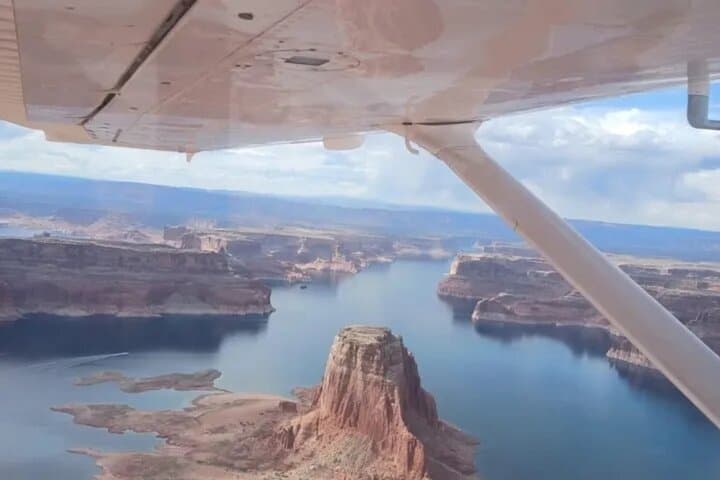
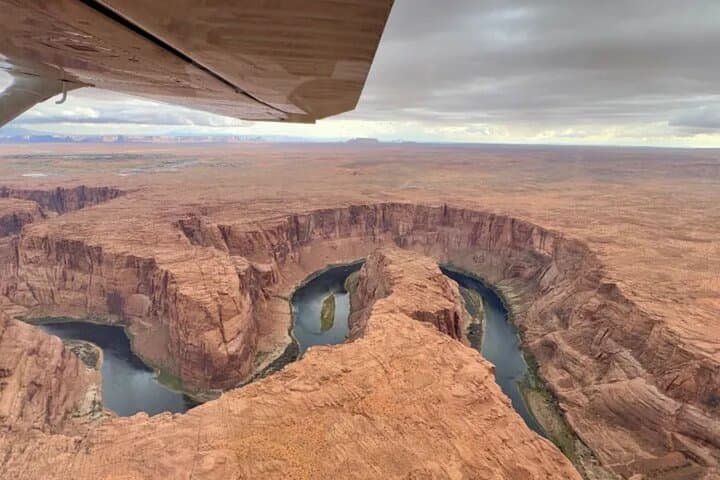
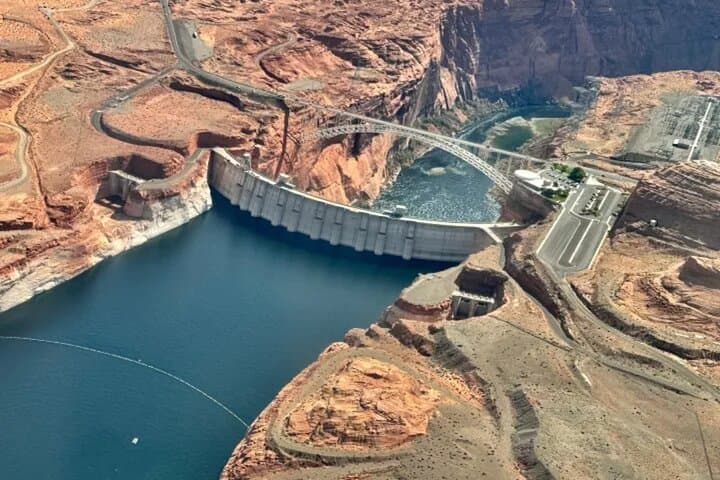
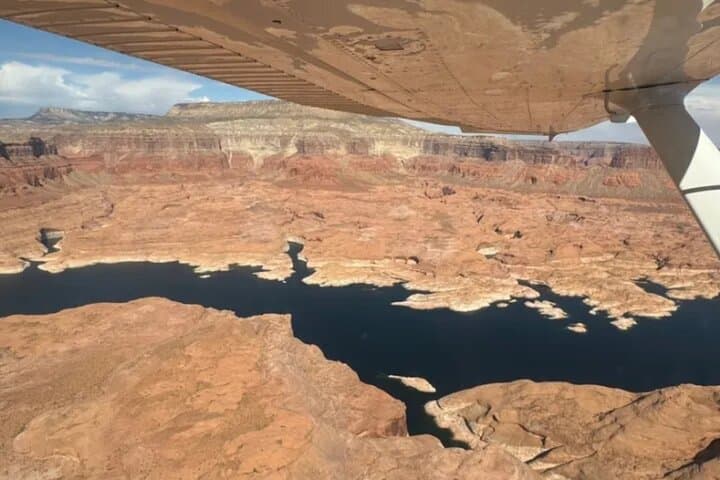
The plane lifts from a private Page terminal and the shoreline of Lake Powell drops away—ragged red sandstone cliffs scalloped with water lines, the dam and Horseshoe Bend resolving into crisp, geological punctuation.
Verified experiences and guided adventures in the surrounding area.
Operated by SV Tour · Page, Arizona
The plane lifts from a private Page terminal and the shoreline of Lake Powell drops away—ragged red sandstone cliffs scalloped with water lines, the dam and Horseshoe Bend resolving into crisp, geological punctuation.
This forty-minute aerial tour threads a corridor of Colorado Plateau landmarks: Glen Canyon Dam’s concrete arc, the entrenched meander at Horseshoe Bend, the mythic silhouette of Navajo Mountain, and the serrated edge of Navajo Canyon. Geology speaks plainly here—layered Entrada and Navajo sandstones carved by uplift and the patient incision of the Colorado River—while human history appears in the dam that created one of the nation’s largest reservoirs and in the Navajo places the plane passes over.
From the air you see scale: houseboat motes at Antelope Marina, Tower Butte rising like an island of stone, Dangling Rope Marina tucked into an inlet. Culture and stewardship are visible too; much of the landscape is on Navajo Nation land, and flight paths respect tribal and park boundaries.
Practical notes: arrive 30 minutes early for check-in and weight screening, bring a small bag and water, and secure cameras—window glare is real. Flights run year-round but offer sharper visibility in autumn and winter when humidity drops.
Expect calm, observational travel rather than adrenaline—this is about perspective. For photographers, aim for side seats and a morning or late-afternoon slot for the best light. If you’re prone to motion sickness, take precautions; the view rewards even those who simply want to see Lake Powell, Glen Canyon, and the plateau from a single, unforgettable sweep.
easy.
40 minutes (flight time).
Suitable for most fitness levels; you must be able to board a small aircraft and sit unassisted for the flight.
The tour is approximately 40 minutes from takeoff to landing; plan to arrive 30 minutes prior for check-in.
Yes—small bags, phones, and cameras are allowed, but you will be weighed with these items during check-in.
Yes—operators cancel flights for unsafe weather; all sales are final but tours may be rescheduled if the company cancels due to weather.
The tour is family-friendly but not recommended for pregnant travelers or people with serious spinal or cardiovascular conditions; check company restrictions before booking.
Glen Canyon Dam, completed in 1966, created Lake Powell and dramatically altered ancient Navajo and Pueblo landscapes while enabling regional water storage and recreation.
Lake Powell’s fluctuating levels reflect long-term drought and water management; visitors and operators are encouraged to minimize waste and respect tribal lands and sensitive shoreline habitats.
SV Tour operates guided outdoor trips and adventures with an emphasis on safety, stewardship, and memorable experiences.
The plane lifts from a private Page terminal and the shoreline of Lake Powell drops away—ragged red sandstone cliffs scalloped with water lines, the dam and Horseshoe Bend resolving into crisp, geological punctuation.
The plane lifts from a private Page terminal and the shoreline of Lake Powell drops away—ragged red sandstone cliffs scalloped with water lines, the dam and Horseshoe Bend resolving into crisp, geological punctuation.
This forty-minute aerial tour threads a corridor of Colorado Plateau landmarks: Glen Canyon Dam’s concrete arc, the entrenched meander at Horseshoe Bend, the mythic silhouette of Navajo Mountain, and the serrated edge of Navajo Canyon. Geology speaks plainly here—layered Entrada and Navajo sandstones carved by uplift and the patient incision of the Colorado River—while human history appears in the dam that created one of the nation’s largest reservoirs and in the Navajo places the plane passes over.
From the air you see scale: houseboat motes at Antelope Marina, Tower Butte rising like an island of stone, Dangling Rope Marina tucked into an inlet. Culture and stewardship are visible too; much of the landscape is on Navajo Nation land, and flight paths respect tribal and park boundaries.
Practical notes: arrive 30 minutes early for check-in and weight screening, bring a small bag and water, and secure cameras—window glare is real. Flights run year-round but offer sharper visibility in autumn and winter when humidity drops.
Expect calm, observational travel rather than adrenaline—this is about perspective. For photographers, aim for side seats and a morning or late-afternoon slot for the best light. If you’re prone to motion sickness, take precautions; the view rewards even those who simply want to see Lake Powell, Glen Canyon, and the plateau from a single, unforgettable sweep.