THE ADVENTURE COLLECTIVE® · Independent discovery and booking for outdoor travel

Spend a long day from Sedona exploring the sculpted corridors of Lower Antelope Canyon with a Navajo guide, picnic at Glen Canyon Dam, and hike to the iconic Horseshoe Bend overlook. Expect 60–90 minutes in the slot canyon and a 1.5-mile roundtrip to the viewpoint.
Spend a long day from Sedona exploring the sculpted corridors of Lower Antelope Canyon with a Navajo guide, picnic at Glen Canyon Dam, and hike to the iconic Horseshoe Bend overlook. Expect 60–90 minutes in the slot canyon and a 1.5-mile roundtrip to the viewpoint.
You step off the van and the light changes. In the span of a morning you leave Sedona’s red-rock silhouettes and drive into a landscape where sandstone has been shaped by wind and flash floods into narrow, curving corridors. The guide leads the group into Lower Antelope Canyon — walls slick with time, slots that funnel shafts of sun like a natural theater. The canyon murmurs as you move; the stone seems to press and release with every footstep.
Verified experiences and guided adventures in the surrounding area.
Operated by Pink Jeep Tours Sedona · Page, AZ
You step off the van and the light changes. In the span of a morning you leave Sedona’s red-rock silhouettes and drive into a landscape where sandstone has been shaped by wind and flash floods into narrow, curving corridors. The guide leads the group into Lower Antelope Canyon — walls slick with time, slots that funnel shafts of sun like a natural theater. The canyon murmurs as you move; the stone seems to press and release with every footstep.
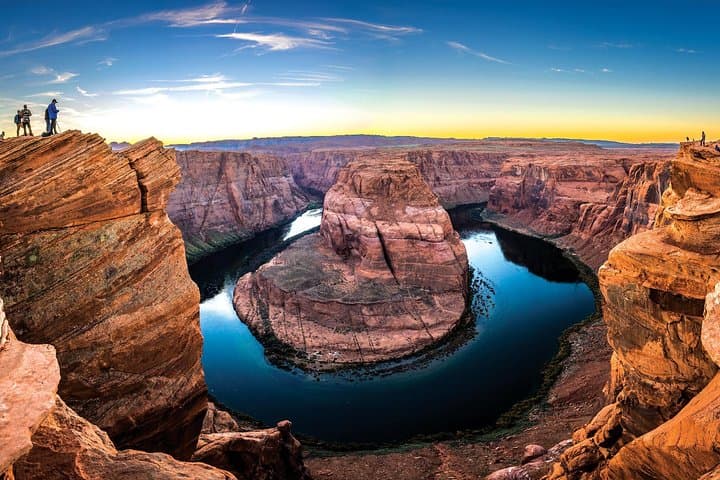
The slot canyons here are carved from Navajo Sandstone laid down in the Jurassic and later sculpted by water. Antelope Canyon sits on Navajo Nation land and is managed through local guides who relay cultural stories alongside geological facts. After the guided 60–90 minute walk, the tour drives toward Glen Canyon and Lake Powell; lunch near the dam gives you a direct view of the Colorado River’s power before the 1.5-mile out-and-back hike to the Horseshoe Bend overlook — a point roughly 1,000 feet above the river’s tight, looping curve.
Practicalities are straightforward: check in in Sedona 30 minutes before departure, expect a full-day outing (about 10–11 hours), and prepare for sandy, uneven surfaces inside the slot and an exposed, dusty path at Horseshoe Bend. Bring sun protection, sturdy footwear, and at least 1–2 liters of water. Photography is a main draw — but follow your guide’s instructions, respect Navajo rules, and time your shots to avoid hiking in the heat. For anyone keen on geology, light, and iconic views, this is a day that pairs intimate canyon intimacy with a broad river panorama.
moderate.
10–11 hours.
Moderate fitness required — able to walk uneven ground, stand for extended guided sections, and handle a 1.5-mile roundtrip overlook hike.
Expect a full day: roughly 10–11 hours from the Sedona departure point, including transport, guided canyon time, lunch, and the Horseshoe Bend stop.
Yes — casual cameras and phones are allowed on most general tours; check with the operator about tripods or professional gear which may require special permits or photography-specific tours.
The overlook is a 1.5-mile roundtrip on a dusty, slightly sloped path; it’s not technical but can feel strenuous in heat and wind — bring water and sturdy shoes.
Yes — Antelope Canyon is on Navajo Nation land and may only be visited with an authorized Navajo guide for safety and cultural reasons.
The slot canyons formed from windblown dunes of the Jurassic-era Navajo Sandstone; the area sits on Navajo Nation lands with deep cultural significance and living traditions.
High visitor numbers strain fragile sandstone and desert vegetation — stick to designated paths, pack out trash, and follow guide directions to minimize impact.
Pink Jeep Tours Sedona operates guided outdoor trips and adventures with an emphasis on safety, stewardship, and memorable experiences.
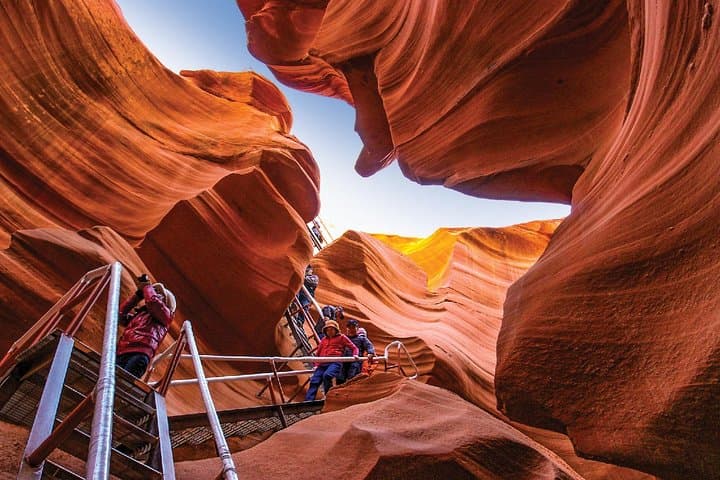
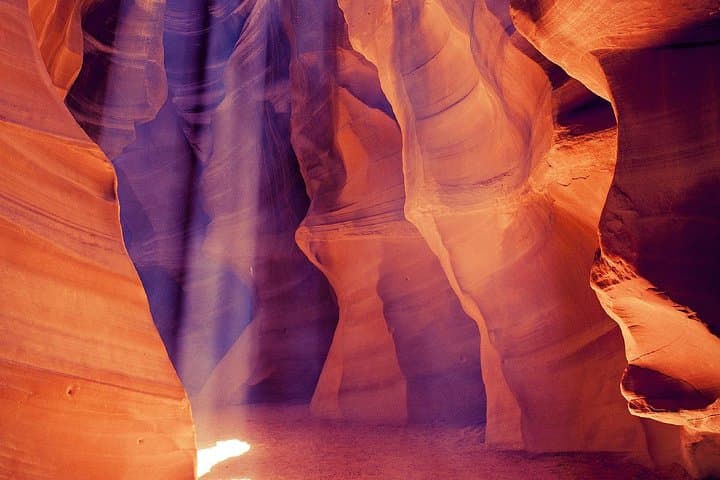
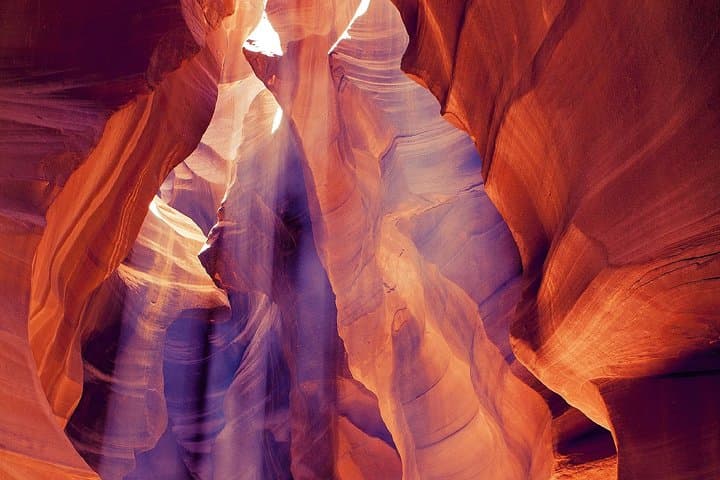
You step off the van and the light changes. In the span of a morning you leave Sedona’s red-rock silhouettes and drive into a landscape where sandstone has been shaped by wind and flash floods into narrow, curving corridors. The guide leads the group into Lower Antelope Canyon — walls slick with time, slots that funnel shafts of sun like a natural theater. The canyon murmurs as you move; the stone seems to press and release with every footstep.
You step off the van and the light changes. In the span of a morning you leave Sedona’s red-rock silhouettes and drive into a landscape where sandstone has been shaped by wind and flash floods into narrow, curving corridors. The guide leads the group into Lower Antelope Canyon — walls slick with time, slots that funnel shafts of sun like a natural theater. The canyon murmurs as you move; the stone seems to press and release with every footstep.
The slot canyons here are carved from Navajo Sandstone laid down in the Jurassic and later sculpted by water. Antelope Canyon sits on Navajo Nation land and is managed through local guides who relay cultural stories alongside geological facts. After the guided 60–90 minute walk, the tour drives toward Glen Canyon and Lake Powell; lunch near the dam gives you a direct view of the Colorado River’s power before the 1.5-mile out-and-back hike to the Horseshoe Bend overlook — a point roughly 1,000 feet above the river’s tight, looping curve.
Practicalities are straightforward: check in in Sedona 30 minutes before departure, expect a full-day outing (about 10–11 hours), and prepare for sandy, uneven surfaces inside the slot and an exposed, dusty path at Horseshoe Bend. Bring sun protection, sturdy footwear, and at least 1–2 liters of water. Photography is a main draw — but follow your guide’s instructions, respect Navajo rules, and time your shots to avoid hiking in the heat. For anyone keen on geology, light, and iconic views, this is a day that pairs intimate canyon intimacy with a broad river panorama.