THE ADVENTURE COLLECTIVE® · Independent discovery and booking for outdoor travel

Take a long day out of Las Vegas to walk light-filled slot canyons and peer over a thousand-foot rim at the Colorado River’s horseshoe turn. This guided trip pairs Lower Antelope’s narrow sandstone passages with the sweeping overlook of Horseshoe Bend—an efficient way to see two of the Southwest’s most photographed landscapes.
Take a long day out of Las Vegas to walk light-filled slot canyons and peer over a thousand-foot rim at the Colorado River’s horseshoe turn. This guided trip pairs Lower Antelope’s narrow sandstone passages with the sweeping overlook of Horseshoe Bend—an efficient way to see two of the Southwest’s most photographed landscapes.
The day begins before dawn on the highway out of Las Vegas, the bus slicing through salt flats and red rock until the desert tightens around Page, Arizona. At Lower Antelope Canyon, light threads into a narrow, carved throat of Navajo sandstone; the walls seem to breathe, shifting color as the sun climbs and filters through slits overhead. Later, at Horseshoe Bend, the Colorado River dares you to the rim—emerald water folding in a dramatic 270-degree arc beneath a thousand-foot cliff.
Verified experiences and guided adventures in the surrounding area.
Operated by TrevoTour Travels · Page, Arizona
The day begins before dawn on the highway out of Las Vegas, the bus slicing through salt flats and red rock until the desert tightens around Page, Arizona. At Lower Antelope Canyon, light threads into a narrow, carved throat of Navajo sandstone; the walls seem to breathe, shifting color as the sun climbs and filters through slits overhead. Later, at Horseshoe Bend, the Colorado River dares you to the rim—emerald water folding in a dramatic 270-degree arc beneath a thousand-foot cliff.
Geology here is blunt and immediate: cross-bedded Navajo Sandstone sculpted by flash floods and wind over millions of years. The canyons sit on Navajo Nation land, and local guides weave cultural context with natural history, explaining ancestral ties to these formations and how access and protection are managed.
Expect a guided, 1.5-mile roundtrip walk through sand and uneven rock in Lower Antelope (tight passages, low light in places) and a short sandy trail to the Horseshoe Bend overlook with exposed cliff edges. Photography is a primary draw—prime light produces dramatic beams—but be ready for crowds during peak hours.
Practical guidance: bring 1–2 liters of water, sturdy shoes with traction, sun protection and layered clothes for temperature swings. Follow your Navajo guide’s instructions, stay on marked paths, and time the visit for morning or late afternoon light to avoid the harsh midday sun. Respect cultural protocols, tip guides, and pack out trash. The full excursion is a long day from Las Vegas, rewarding patience with some of the Southwest’s most iconic views.
moderate.
10–12 hours.
Suitable for travelers comfortable walking 1–2 miles on sand and uneven rock, standing on exposed overlooks; not strenuous but requires steady footing.
The guided portion through Lower Antelope involves about 1.5 miles roundtrip over sand and rocky footing; expect slow, careful walking through narrow sections.
Yes—both locations allow photography, but follow your guide’s directions in the slot canyon, avoid tripods if prohibited, and be mindful of other visitors at viewpoints.
Children must be included in the headcount and accompanied by an adult; the operator advises against the tour for pregnant travelers due to vehicle time and uneven terrain.
Gratuities are customary: around $15 per person for the tour guide/driver and a small tip (suggested ~$3) for Navajo canyon guides is appreciated.
The slot canyons formed as flash floods cut through Navajo Sandstone; the area is within the Navajo Nation and guided access reflects tribal stewardship.
Stay on designated paths, avoid touching fragile canyon walls, and adhere to Navajo rules—these measures reduce erosion and protect cultural sites.
TrevoTour Travels operates guided outdoor trips and adventures with an emphasis on safety, stewardship, and memorable experiences.
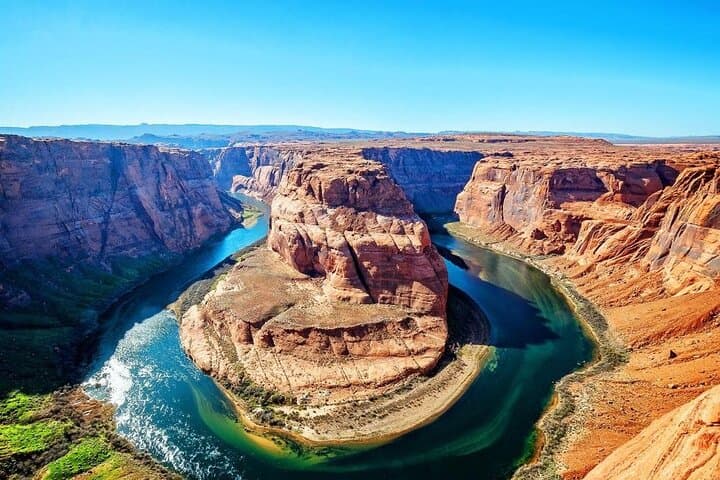
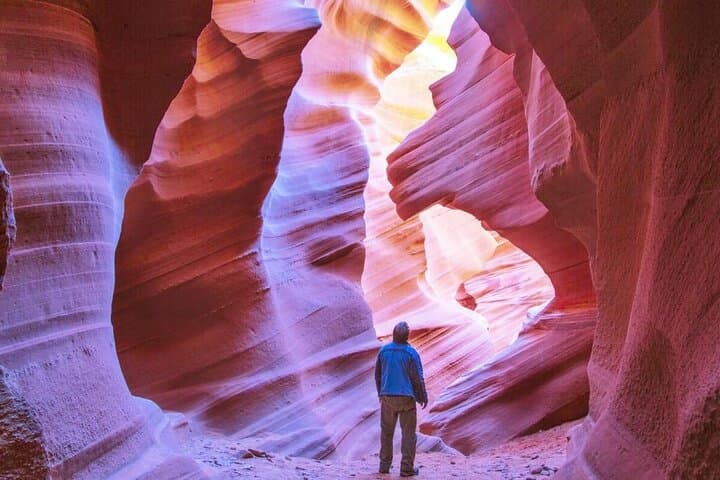
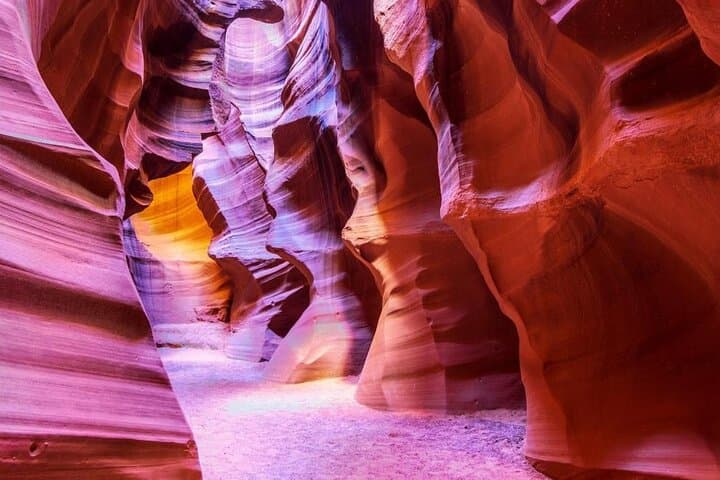
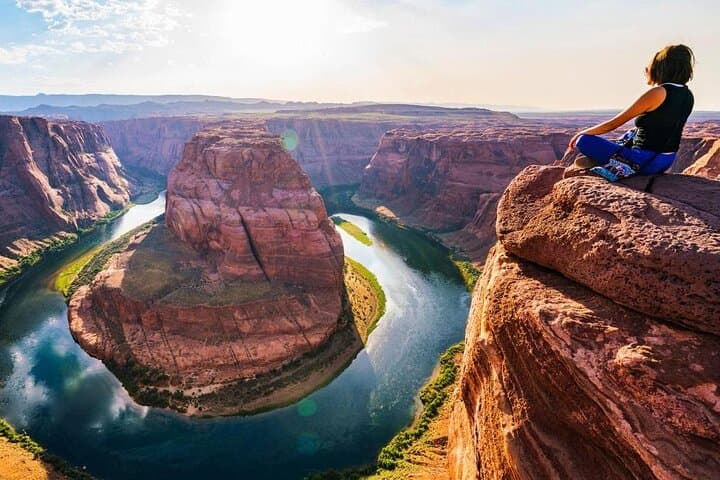
The day begins before dawn on the highway out of Las Vegas, the bus slicing through salt flats and red rock until the desert tightens around Page, Arizona. At Lower Antelope Canyon, light threads into a narrow, carved throat of Navajo sandstone; the walls seem to breathe, shifting color as the sun climbs and filters through slits overhead. Later, at Horseshoe Bend, the Colorado River dares you to the rim—emerald water folding in a dramatic 270-degree arc beneath a thousand-foot cliff.
The day begins before dawn on the highway out of Las Vegas, the bus slicing through salt flats and red rock until the desert tightens around Page, Arizona. At Lower Antelope Canyon, light threads into a narrow, carved throat of Navajo sandstone; the walls seem to breathe, shifting color as the sun climbs and filters through slits overhead. Later, at Horseshoe Bend, the Colorado River dares you to the rim—emerald water folding in a dramatic 270-degree arc beneath a thousand-foot cliff.
Geology here is blunt and immediate: cross-bedded Navajo Sandstone sculpted by flash floods and wind over millions of years. The canyons sit on Navajo Nation land, and local guides weave cultural context with natural history, explaining ancestral ties to these formations and how access and protection are managed.
Expect a guided, 1.5-mile roundtrip walk through sand and uneven rock in Lower Antelope (tight passages, low light in places) and a short sandy trail to the Horseshoe Bend overlook with exposed cliff edges. Photography is a primary draw—prime light produces dramatic beams—but be ready for crowds during peak hours.
Practical guidance: bring 1–2 liters of water, sturdy shoes with traction, sun protection and layered clothes for temperature swings. Follow your Navajo guide’s instructions, stay on marked paths, and time the visit for morning or late afternoon light to avoid the harsh midday sun. Respect cultural protocols, tip guides, and pack out trash. The full excursion is a long day from Las Vegas, rewarding patience with some of the Southwest’s most iconic views.