THE ADVENTURE COLLECTIVE® · Independent discovery and booking for outdoor travel

A single day takes you from Antananarivo’s busy streets to two royal compounds: Ambohimanga’s hilltop sanctity and the Rova’s dramatic city perch. Expect sharp history, terraced highlands and short, stair-steep walks.
A single day takes you from Antananarivo’s busy streets to two royal compounds: Ambohimanga’s hilltop sanctity and the Rova’s dramatic city perch. Expect sharp history, terraced highlands and short, stair-steep walks.
You climb from the bustle of Antananarivo into terraces and red earth; the road tightens, the hills push you upward, and the first compound appears crowned on a green rise. Ambohimanga’s stone gateways and sun-worn discs meet you like a threshold in history — defenders of a Merina past — before you return to the city and ascend again to the Rova for a view over rice paddies and roofs.
Verified experiences and guided adventures in the surrounding area.
Operated by Dadamanga · Antananarivo, Analamanga
You climb from the bustle of Antananarivo into terraces and red earth; the road tightens, the hills push you upward, and the first compound appears crowned on a green rise. Ambohimanga’s stone gateways and sun-worn discs meet you like a threshold in history — defenders of a Merina past — before you return to the city and ascend again to the Rova for a view over rice paddies and roofs.
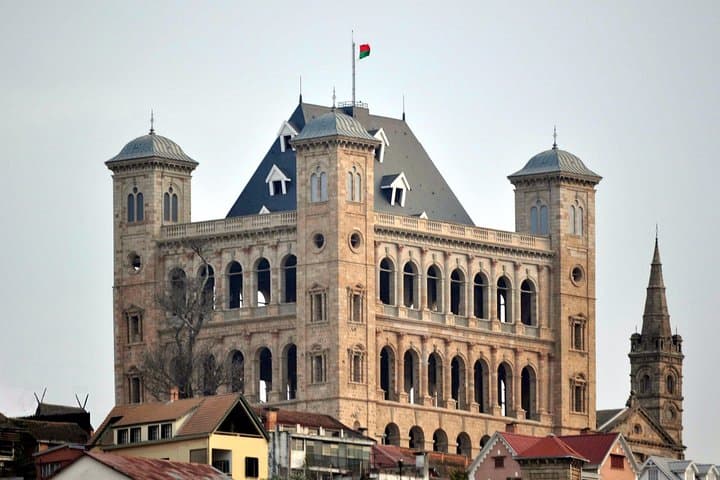
Ambohimanga is a living memory of King Andrianampoinimerina’s rule: walled courtyards, royal tombs, and ritual sites that define Merina identity and earned UNESCO recognition. The Rova of Antananarivo sits on Analamanga hill; its main palace was rebuilt in stone in the 19th century and famously damaged by fire in 1995, a political wound still under restoration. Geologically, you’re in Madagascar’s central highlands—lateritic soils, terraced slopes and shallow ridgelines that have guided settlement patterns for centuries.
Guides here tell stories with blunt efficiency: sieges, royal eccentricities and exile, and they point out small artefacts that survived occupation and colonial disruption. Expect concise walking, steps and uneven flagstones rather than long trails; the day mixes culture, short hikes and urban viewpoints.
Practical guidance: wear sturdy walking shoes for stairs and dirt paths, carry sun protection and water (a 1.5 L bottle is provided), and keep small local cash for souvenirs. The tour is private and paced: arrive with a charged phone, comfortable layers for sun and wind, and curiosity for history—this is a day of steep views and sharper stories.
easy.
9 hours.
Suitable for most fitness levels; involves short walks, stairs, and brief uphill sections.
The full itinerary runs about nine hours, including transport, guided visits and lunch at Café du Musée.
Yes—local guide fees and site admissions are included in the tour price.
Restoration work has closed some interior areas; visitors can access viewpoints and many restored buildings, but some sections remain restricted.
The tour is family-friendly but involves stairs and uneven ground; notify the operator about mobility needs for pickup and route adjustments.
Ambohimanga symbolizes Merina political and spiritual identity and predates French colonial control; the Rova was the royal seat until monarchy decline and suffered a politically charged fire in 1995.
Ambohimanga’s UNESCO status emphasizes cultural preservation; visitors are asked to respect tombs and boundaries while supporting local guide-led interpretation to reduce wear.
Dadamanga operates guided outdoor trips and adventures with an emphasis on safety, stewardship, and memorable experiences.
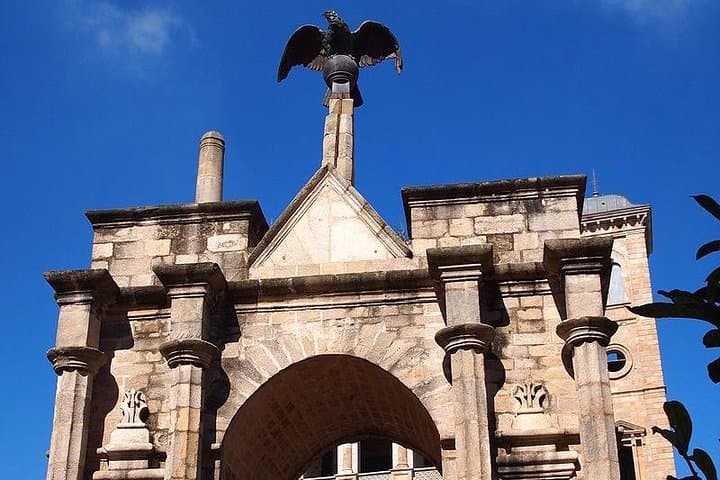
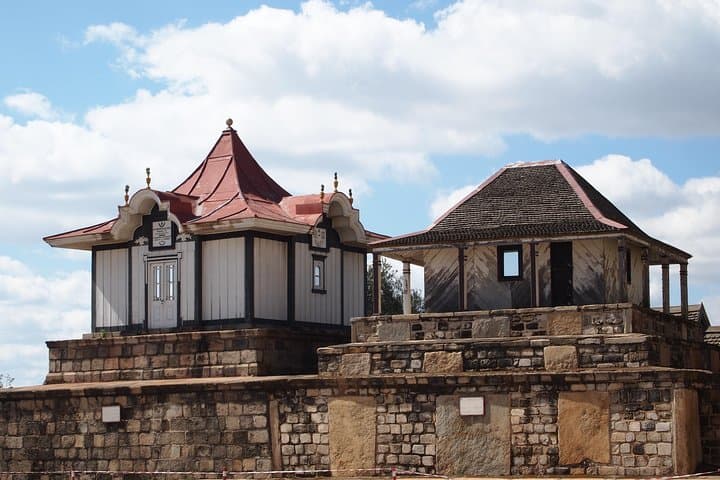
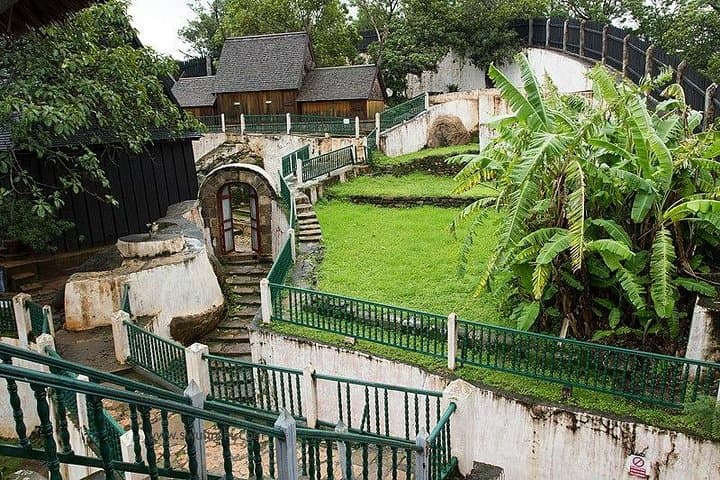
You climb from the bustle of Antananarivo into terraces and red earth; the road tightens, the hills push you upward, and the first compound appears crowned on a green rise. Ambohimanga’s stone gateways and sun-worn discs meet you like a threshold in history — defenders of a Merina past — before you return to the city and ascend again to the Rova for a view over rice paddies and roofs.
You climb from the bustle of Antananarivo into terraces and red earth; the road tightens, the hills push you upward, and the first compound appears crowned on a green rise. Ambohimanga’s stone gateways and sun-worn discs meet you like a threshold in history — defenders of a Merina past — before you return to the city and ascend again to the Rova for a view over rice paddies and roofs.
Ambohimanga is a living memory of King Andrianampoinimerina’s rule: walled courtyards, royal tombs, and ritual sites that define Merina identity and earned UNESCO recognition. The Rova of Antananarivo sits on Analamanga hill; its main palace was rebuilt in stone in the 19th century and famously damaged by fire in 1995, a political wound still under restoration. Geologically, you’re in Madagascar’s central highlands—lateritic soils, terraced slopes and shallow ridgelines that have guided settlement patterns for centuries.
Guides here tell stories with blunt efficiency: sieges, royal eccentricities and exile, and they point out small artefacts that survived occupation and colonial disruption. Expect concise walking, steps and uneven flagstones rather than long trails; the day mixes culture, short hikes and urban viewpoints.
Practical guidance: wear sturdy walking shoes for stairs and dirt paths, carry sun protection and water (a 1.5 L bottle is provided), and keep small local cash for souvenirs. The tour is private and paced: arrive with a charged phone, comfortable layers for sun and wind, and curiosity for history—this is a day of steep views and sharper stories.