THE ADVENTURE COLLECTIVE® · Independent discovery and booking for outdoor travel

Spend a full day exploring Perge’s Roman avenues, Aspendos’ famed ancient theater, the power of Manavgat Waterfall and Side’s coastal temple—all from Antalya with a private guide and transfers. Practical tips for comfort and timing included.
Spend a full day exploring Perge’s Roman avenues, Aspendos’ famed ancient theater, the power of Manavgat Waterfall and Side’s coastal temple—all from Antalya with a private guide and transfers. Practical tips for comfort and timing included.
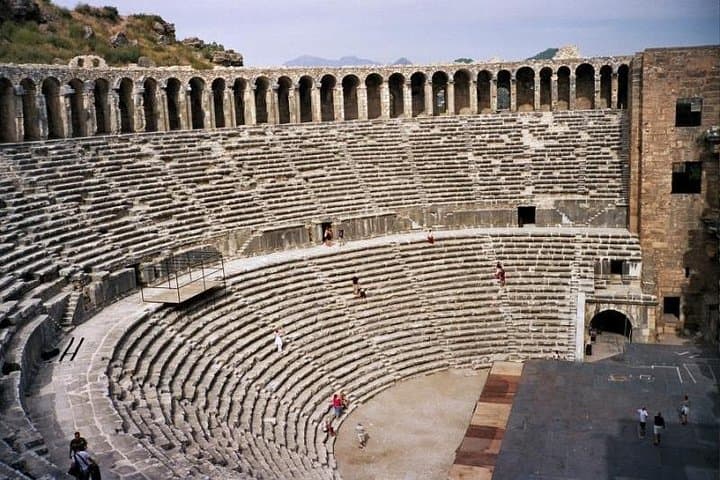
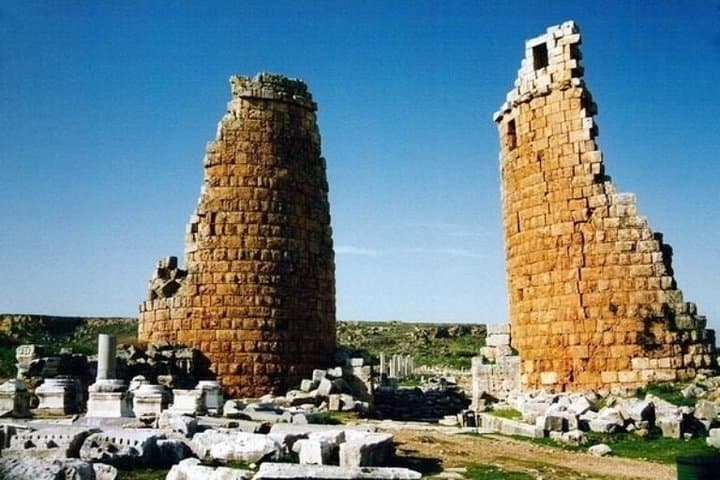
You step out of the air-conditioned van into a sunlit Anatolian plain where columns and stone stairways lean toward the sky. Dust lifts from the path as the guide points down a long Roman avenue at Perge; voices echo inside Aspendos’ cavernous theater; water hisses at Manavgat; and the Apollo temple at Side watches over a mosaic of fishing boats. The day unfolds like a condensed sweep through antiquity and natural power.
Verified experiences and guided adventures in the surrounding area.
Operated by Gref Travel · Antalya, Antalya Province
You step out of the air-conditioned van into a sunlit Anatolian plain where columns and stone stairways lean toward the sky. Dust lifts from the path as the guide points down a long Roman avenue at Perge; voices echo inside Aspendos’ cavernous theater; water hisses at Manavgat; and the Apollo temple at Side watches over a mosaic of fishing boats. The day unfolds like a condensed sweep through antiquity and natural power.
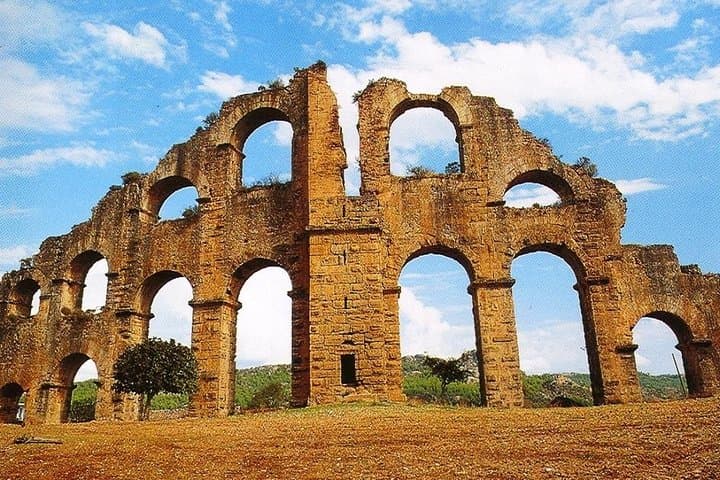
Perge and Aspendos speak to Roman engineering and Hellenistic planning — stadiums, baths, aqueduct fragments and a theater praised for near-perfect acoustics. The limestone and alluvial plains around Manavgat shaped settlements and the river’s force powered mills for centuries. Side grew as a trading port; its temple columns date to an era when merchants and sailors threaded these shores.
Locals in Antalya Province still fish, farm and run family-owned eateries; expect warm hospitality and straightforward, regional lunches. Guides often weave Ottoman and pre-Ottoman context into site tours, connecting ruins to living culture.
Practical guidance: this is a full-day, easy-paced private tour with short on-foot segments on uneven stone and packed earth—comfortable walking shoes are essential. Bring sun protection, reusable water, and a camera with a wide lens for theater interiors and temple facades. Admissions for some sites may be paid on arrival; carry cash or card. Timed visits avoid midday heat where possible; early starts make Perge and Aspendos more comfortable. Expect moderate walking, several short climbs of stone steps, and a relaxed lunch stop to regroup before Side’s seaside ruins.
easy.
10 hours (full day).
Suitable for most people who can walk short distances on uneven ground; expect repeated short stair climbs.
Some sites are included and some require on-arrival payment; confirm with your operator and carry cash or card for local admissions.
Expect several short walks totaling a few kilometers across ruins and park paths, with steps and uneven surfaces—it's guided at a relaxed pace.
Yes, the advertised tour is private, typically allowing flexible pacing and personalized commentary from your guide.
Yes, the itinerary includes a lunch break and restroom access at tourist facilities and the Manavgat nature park.
Perge, Aspendos and Side were important Hellenistic and Roman centers; Aspendos’ theater is celebrated for acoustic design and Perge for its monumental Roman street plan.
Sites are protected archaeological areas—stay on marked paths, don’t climb fragile ruins, and avoid leaving litter; local conservation groups monitor visitor impact.
Gref Travel operates guided outdoor trips and adventures with an emphasis on safety, stewardship, and memorable experiences.
You step out of the air-conditioned van into a sunlit Anatolian plain where columns and stone stairways lean toward the sky. Dust lifts from the path as the guide points down a long Roman avenue at Perge; voices echo inside Aspendos’ cavernous theater; water hisses at Manavgat; and the Apollo temple at Side watches over a mosaic of fishing boats. The day unfolds like a condensed sweep through antiquity and natural power.
You step out of the air-conditioned van into a sunlit Anatolian plain where columns and stone stairways lean toward the sky. Dust lifts from the path as the guide points down a long Roman avenue at Perge; voices echo inside Aspendos’ cavernous theater; water hisses at Manavgat; and the Apollo temple at Side watches over a mosaic of fishing boats. The day unfolds like a condensed sweep through antiquity and natural power.
Perge and Aspendos speak to Roman engineering and Hellenistic planning — stadiums, baths, aqueduct fragments and a theater praised for near-perfect acoustics. The limestone and alluvial plains around Manavgat shaped settlements and the river’s force powered mills for centuries. Side grew as a trading port; its temple columns date to an era when merchants and sailors threaded these shores.
Locals in Antalya Province still fish, farm and run family-owned eateries; expect warm hospitality and straightforward, regional lunches. Guides often weave Ottoman and pre-Ottoman context into site tours, connecting ruins to living culture.
Practical guidance: this is a full-day, easy-paced private tour with short on-foot segments on uneven stone and packed earth—comfortable walking shoes are essential. Bring sun protection, reusable water, and a camera with a wide lens for theater interiors and temple facades. Admissions for some sites may be paid on arrival; carry cash or card. Timed visits avoid midday heat where possible; early starts make Perge and Aspendos more comfortable. Expect moderate walking, several short climbs of stone steps, and a relaxed lunch stop to regroup before Side’s seaside ruins.