THE ADVENTURE COLLECTIVE® · Independent discovery and booking for outdoor travel

A single day that compresses Antalya’s high and low: a cable car ascent for sweeping views, a quiet forest waterfall, and a taste of the old town. Perfect for travelers based in Side who want a compact, accessible taste of Turkey’s Mediterranean coast.
A single day that compresses Antalya’s high and low: a cable car ascent for sweeping views, a quiet forest waterfall, and a taste of the old town. Perfect for travelers based in Side who want a compact, accessible taste of Turkey’s Mediterranean coast.
You step into the minivan before sunrise in Side and the coast opens like a map—olive groves giving way to terraced citrus, then the glitter of the Mediterranean as the road runs west toward Antalya. By the time the Tunektepe cable car hums you upward, the city has already begun to stir: tawny roofs, the sweep of Lara beach, and the jagged teeth of the Taurus Mountains holding the mainland like a spine.
Verified experiences and guided adventures in the surrounding area.
Operated by Correct Tour · Antalya, Antalya
You step into the minivan before sunrise in Side and the coast opens like a map—olive groves giving way to terraced citrus, then the glitter of the Mediterranean as the road runs west toward Antalya. By the time the Tunektepe cable car hums you upward, the city has already begun to stir: tawny roofs, the sweep of Lara beach, and the jagged teeth of the Taurus Mountains holding the mainland like a spine.
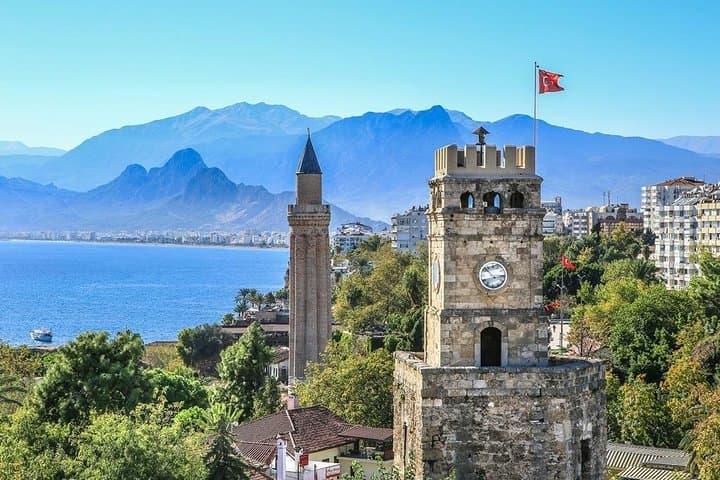
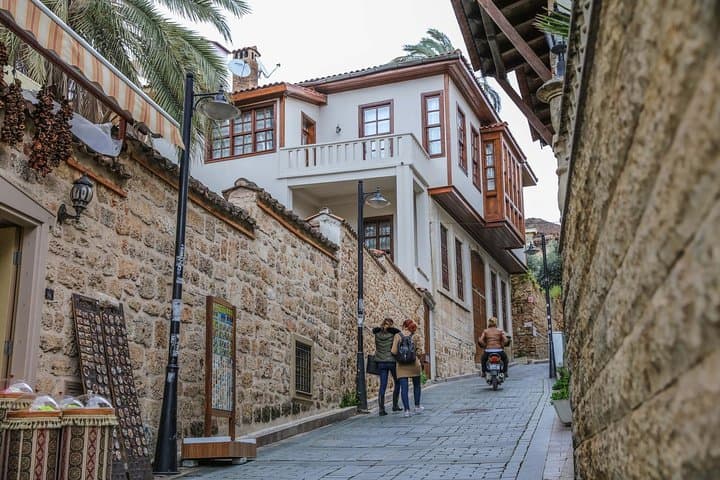
Antalya is an old harbor with new edges. Founded as Attaleia by a Hellenistic king in the 2nd century BCE, the city carries layers of Roman baths, Seljuk mosques, and Ottoman houses in Kaleiçi, the compact old town. Geologically, the coastline here is limestone and marl folded up where the Taurus uplift meets the sea; the result is steep headlands, pockets of pine forest, and freshwater springs that feed sites like Kurşunlu.
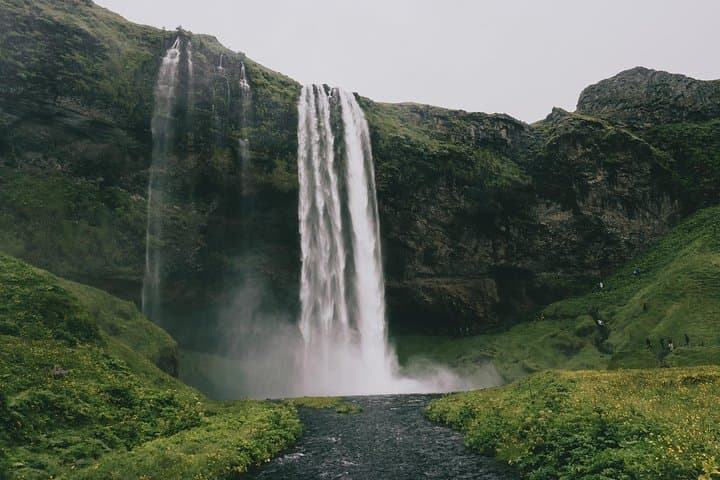
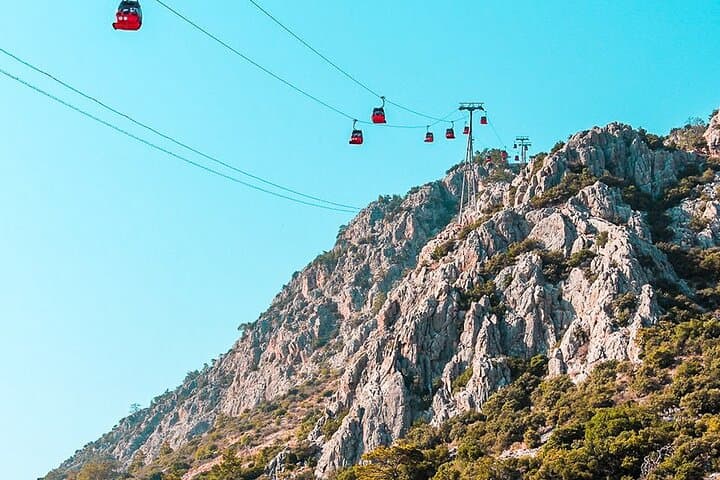
Kurşunlu Waterfall is not a thundering torrent but a calm, moss-bordered cascade that drops roughly 20 meters into a shaded pool. The water dares you to slow down—walkways thread the pine, kingfishers flick past, and the air smells of wet leaves and citrus. The Tunektepe cable car, a 720-meter vertical link to a lookout roughly 600 meters above sea level, gives a different kind of perspective: the city spreads below like a living diagram of port, commerce, and leisure.
This tour stitches those scenes together in a single day. Pickup is early from hotels in Side and surrounding resort towns; expect a 7–8 hour window that includes travel time, a cable car ascent, roughly 45 minutes at Kurşunlu, and a casual lunch in Antalya. Transportation is by air-conditioned coach; entrance to Tunektepe and Kurşunlu is included.
Practical edge: wear comfortable walking shoes—paved streets in Kaleiçi can be slippery—and pack a lightweight layer for the lookout, where wind can cut sharper than down at sea level. Bring a refillable bottle; bottled water is available but carrying one keeps you moving. If you’re traveling with infants, note strollers are allowed but infants must sit on laps during transport. Cameras are essential here—wide lenses for the panorama, a small zoom for birds at Kurşunlu.
Timing matters: the cable car is best in the morning for cleaner air and softer light; summer heat builds quickly and can make midafternoon exploration sluggish. The tour is rated easy and suits most fitness levels, but it rewards curiosity—ask your guide about the Roman remains and the local citrus crops, and leave space in your schedule to wander Kaleiçi’s narrow alleys after lunch.
easy.
7–8 hours.
Suitable for most fitness levels; requires ability to walk on cobbles and climb short stair sections.
The tour runs about 7–8 hours and includes hotel pickup in Side, transportation, Tunektepe cable car, entrance to Kurşunlu Waterfall, and lunch.
The cable car itself is accessible, but expect short walks and steps at viewpoints; strollers are allowed but infants must sit on laps.
Yes—entrance to Tunektepe Cable Car and the Kurşunlu Waterfall are included in the tour price.
Comfortable walking shoes, sun protection in summer, and a light jacket for the summit and shaded waterfall trail.
Yes—the tour returns to the pickup area in Side the same afternoon or early evening, depending on traffic.
Lunch is provided; you can note dietary requirements when booking and the operator will try to accommodate common requests.
Antalya began as Attaleia in the Hellenistic period and later became an important Roman port; Kaleiçi preserves Ottoman houses and Roman gates like Hadrian’s Gate.
Kurşunlu is managed as a protected nature park—stay on boardwalks to protect riparian plants and avoid swimming in the conservation area to preserve aquatic life.
Correct Tour operates guided outdoor trips and adventures with an emphasis on safety, stewardship, and memorable experiences.
You step into the minivan before sunrise in Side and the coast opens like a map—olive groves giving way to terraced citrus, then the glitter of the Mediterranean as the road runs west toward Antalya. By the time the Tunektepe cable car hums you upward, the city has already begun to stir: tawny roofs, the sweep of Lara beach, and the jagged teeth of the Taurus Mountains holding the mainland like a spine.
You step into the minivan before sunrise in Side and the coast opens like a map—olive groves giving way to terraced citrus, then the glitter of the Mediterranean as the road runs west toward Antalya. By the time the Tunektepe cable car hums you upward, the city has already begun to stir: tawny roofs, the sweep of Lara beach, and the jagged teeth of the Taurus Mountains holding the mainland like a spine.
Antalya is an old harbor with new edges. Founded as Attaleia by a Hellenistic king in the 2nd century BCE, the city carries layers of Roman baths, Seljuk mosques, and Ottoman houses in Kaleiçi, the compact old town. Geologically, the coastline here is limestone and marl folded up where the Taurus uplift meets the sea; the result is steep headlands, pockets of pine forest, and freshwater springs that feed sites like Kurşunlu.
Kurşunlu Waterfall is not a thundering torrent but a calm, moss-bordered cascade that drops roughly 20 meters into a shaded pool. The water dares you to slow down—walkways thread the pine, kingfishers flick past, and the air smells of wet leaves and citrus. The Tunektepe cable car, a 720-meter vertical link to a lookout roughly 600 meters above sea level, gives a different kind of perspective: the city spreads below like a living diagram of port, commerce, and leisure.
This tour stitches those scenes together in a single day. Pickup is early from hotels in Side and surrounding resort towns; expect a 7–8 hour window that includes travel time, a cable car ascent, roughly 45 minutes at Kurşunlu, and a casual lunch in Antalya. Transportation is by air-conditioned coach; entrance to Tunektepe and Kurşunlu is included.
Practical edge: wear comfortable walking shoes—paved streets in Kaleiçi can be slippery—and pack a lightweight layer for the lookout, where wind can cut sharper than down at sea level. Bring a refillable bottle; bottled water is available but carrying one keeps you moving. If you’re traveling with infants, note strollers are allowed but infants must sit on laps during transport. Cameras are essential here—wide lenses for the panorama, a small zoom for birds at Kurşunlu.
Timing matters: the cable car is best in the morning for cleaner air and softer light; summer heat builds quickly and can make midafternoon exploration sluggish. The tour is rated easy and suits most fitness levels, but it rewards curiosity—ask your guide about the Roman remains and the local citrus crops, and leave space in your schedule to wander Kaleiçi’s narrow alleys after lunch.