THE ADVENTURE COLLECTIVE® · Independent discovery and booking for outdoor travel

A single-day loop from Antalya visits the ruined capital of Perge, the superbly preserved Aspendos theater, seaside Side, and the wide cascade of Manavgat. Expect guided short walks, paved archaeological terrain, and a 9‑hour itinerary with lunch included.
A single-day loop from Antalya visits the ruined capital of Perge, the superbly preserved Aspendos theater, seaside Side, and the wide cascade of Manavgat. Expect guided short walks, paved archaeological terrain, and a 9‑hour itinerary with lunch included.
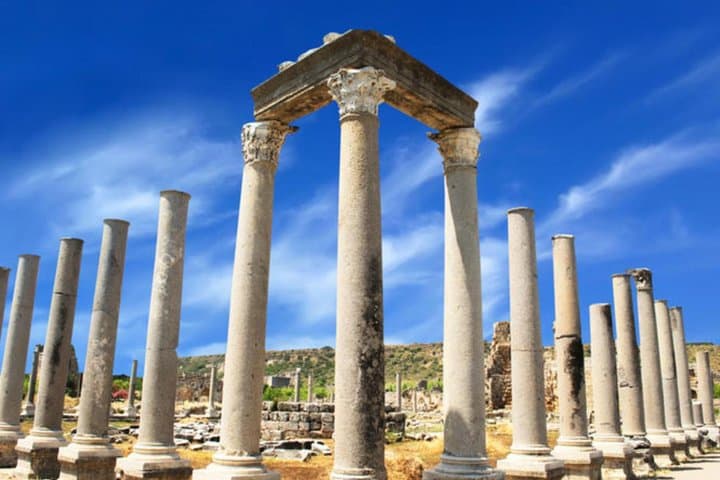
You step off the coach into Anatolian light: a low sun catching the cracked marble of a Roman colonnade, cicadas carving the air, and a guide pointing out masonry that has held since antiquity.
Verified experiences and guided adventures in the surrounding area.
Operated by SOLYMOS TRAVEL · Antalya, Antalya Province
You step off the coach into Anatolian light: a low sun catching the cracked marble of a Roman colonnade, cicadas carving the air, and a guide pointing out masonry that has held since antiquity.
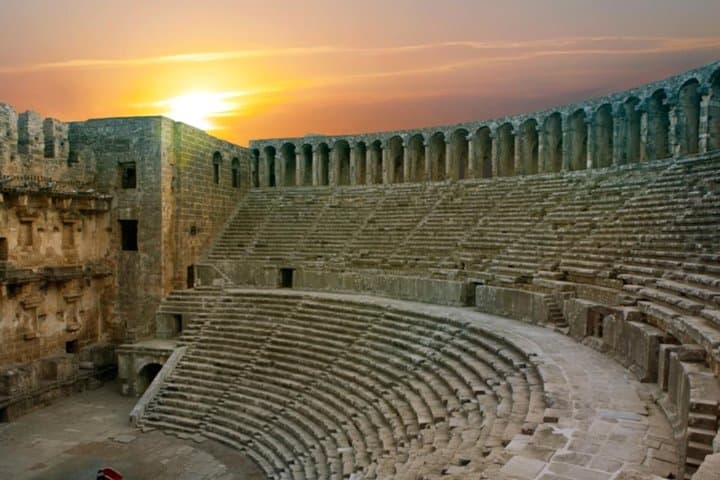
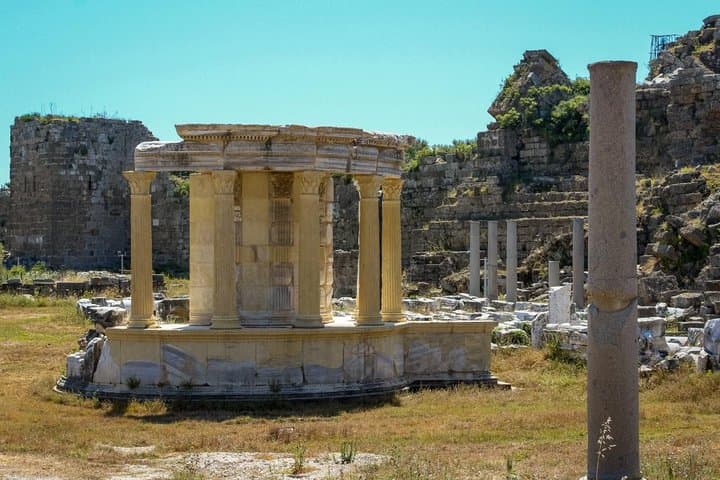
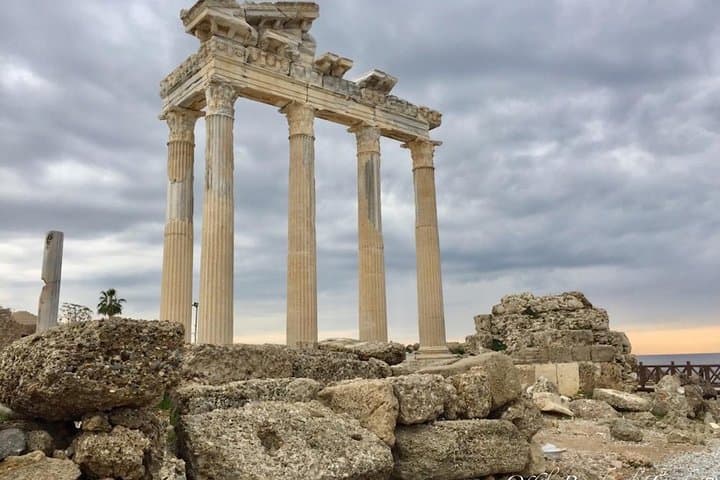
This full-day loop moves from Perge’s broad avenue and stadium to Aspendos’ famously intact amphitheater, then down the coast to Side’s harbor ruins and the broad, low curtain of Manavgat Waterfall. Geologically the region sits on Mediterranean limestone and alluvial plains; erosion has left wide riverbeds and exposed stone that ancient builders repurposed into columns and arches. Culturally, these sites map Pamphylia’s arc from Hellenistic polis to Roman provincial center — Perge once administered the hinterland, Aspendos hosted spectacles, and Side functioned as a coastal trading port.
Expect short, guided walks at each stop: roughly 1–1.5 hours at Perge, a 45–60 minute visit at Aspendos, and brief time for Side and the waterfall. Surfaces are mostly paved ruins and packed dirt with stone steps; stairs and terraced seats are common. The tour runs about nine hours with hotel pickup around 08:00 and return near 17:00.
Practical notes: wear sturdy shoes for uneven stone, bring sun protection and 1–2 liters of water, and carry a lightweight layer for coastal breezes. Entrance fees and lunch are typically included; drinks are extra. Keep to marked paths — fragile mosaics and carved reliefs are vulnerable to foot traffic. Follow your licensed guide for the clearest historical context and the best photo vantage points.
easy.
9 hours.
Light walking ability; able to stand for guided explanations and manage short stair climbs at ruins
Yes — standard tours include entry tickets to sites and a mid‑day lunch; drinks are usually extra.
The operator lists wheelchair access for transfers, but some archaeological areas have uneven terrain and steps; check accessibility details before booking.
Typical stops are about 1–1.5 hours at Perge, 45–60 minutes at Aspendos, and shorter visits in Side and at Manavgat waterfall as part of a nine‑hour day.
Swimming is not part of the scheduled tour; locals may swim in calmer downstream spots, but follow your guide’s advice and local signage for safety.
Perge was the administrative center of Pamphylia Secunda; Aspendos is famed for its exceptionally preserved Roman theater, and Side retains Hellenistic and Roman harbor structures.
Sites are vulnerable to erosion and foot traffic — stay on marked routes, avoid touching reliefs, and pack out litter to protect archaeological layers.
SOLYMOS TRAVEL operates guided outdoor trips and adventures with an emphasis on safety, stewardship, and memorable experiences.
You step off the coach into Anatolian light: a low sun catching the cracked marble of a Roman colonnade, cicadas carving the air, and a guide pointing out masonry that has held since antiquity.
You step off the coach into Anatolian light: a low sun catching the cracked marble of a Roman colonnade, cicadas carving the air, and a guide pointing out masonry that has held since antiquity.
This full-day loop moves from Perge’s broad avenue and stadium to Aspendos’ famously intact amphitheater, then down the coast to Side’s harbor ruins and the broad, low curtain of Manavgat Waterfall. Geologically the region sits on Mediterranean limestone and alluvial plains; erosion has left wide riverbeds and exposed stone that ancient builders repurposed into columns and arches. Culturally, these sites map Pamphylia’s arc from Hellenistic polis to Roman provincial center — Perge once administered the hinterland, Aspendos hosted spectacles, and Side functioned as a coastal trading port.
Expect short, guided walks at each stop: roughly 1–1.5 hours at Perge, a 45–60 minute visit at Aspendos, and brief time for Side and the waterfall. Surfaces are mostly paved ruins and packed dirt with stone steps; stairs and terraced seats are common. The tour runs about nine hours with hotel pickup around 08:00 and return near 17:00.
Practical notes: wear sturdy shoes for uneven stone, bring sun protection and 1–2 liters of water, and carry a lightweight layer for coastal breezes. Entrance fees and lunch are typically included; drinks are extra. Keep to marked paths — fragile mosaics and carved reliefs are vulnerable to foot traffic. Follow your licensed guide for the clearest historical context and the best photo vantage points.