THE ADVENTURE COLLECTIVE® · Independent discovery and booking for outdoor travel

Combine coastal cruising with city exploration on a 6–7 hour Antalya day tour. Visit the Upper and Lower Düden Waterfalls, cruise beneath the cliff where water plunges into the Mediterranean, and stroll Kaleiçi’s historic streets for a complete taste of Antalya.
Combine coastal cruising with city exploration on a 6–7 hour Antalya day tour. Visit the Upper and Lower Düden Waterfalls, cruise beneath the cliff where water plunges into the Mediterranean, and stroll Kaleiçi’s historic streets for a complete taste of Antalya.
You step off the minibus into a pocket of green—Upper Düden’s park cools the midday heat with plane trees and the steady hiss of falling water. Trails wind past picnic tables and a small cave where spray threads the air; on the coast the Lower Düden hurls a 40‑meter curtain of water over limestone cliffs into the Mediterranean, visible as a white plume from the boat.
Verified experiences and guided adventures in the surrounding area.
Operated by TREVOPEDIA · Antalya, Antalya Province
You step off the minibus into a pocket of green—Upper Düden’s park cools the midday heat with plane trees and the steady hiss of falling water. Trails wind past picnic tables and a small cave where spray threads the air; on the coast the Lower Düden hurls a 40‑meter curtain of water over limestone cliffs into the Mediterranean, visible as a white plume from the boat.
Antalya itself is a layered city: founded as Attaleia in the Hellenistic era, its Roman gate and Ottoman houses survive alongside modern marinas. Geologically the coast is a collision of limestone cliffs and calcareous terraces carved by rivers like the Düden, which have sculpted caves and plunge pools over millennia. Culturally, Kaleiçi—the Old Town—still moves at a pedestrian pace, with narrow cobbled lanes, local tea gardens, and fishermen unloading the morning’s catch at the Roman harbor.
Practically, this is a full but gentle day: expect 6–7 hours including hotel transfer, a short guided walk through the waterfall park, 1–2 hours exploring Kaleiçi, and a coastal boat trip that brings you close to the cliff face and offers swim stops when conditions allow. Wear sturdy sandals or light hiking shoes for slippery stones, bring sun protection, and carry a small dry bag for phone and wallet on the boat. Accessibility is generally good—many paths and transport options are wheelchair accessible—but steps and uneven paving exist in the Old Town. Plan for lunch on the itinerary and a camera with a splash cover—the dramatic meeting of river and sea is the highlight.
easy.
6–7 hours.
Suitable for most fitness levels—requires short walks, standing on the boat, and negotiating cobbled streets.
The tour is about 6–7 hours and typically includes hotel pickup/drop‑off, guided visits to Upper and Lower Düden Waterfalls, a coastal boat trip, and lunch.
Yes—the boat brings you close to the cliff so you can see the waterfall plunging into the sea; visibility depends on sea and weather conditions.
Many areas and transport options are wheelchair accessible, and park paths accommodate strollers, but some Old Town streets have uneven cobbles and steps.
Some operators offer swim stops when conditions and safety allow; confirm with your provider and bring swimwear and a towel.
Antalya was founded as Attaleia in the 2nd century BCE and retains Roman and Ottoman landmarks in Kaleiçi, including Hadrian’s Gate and the Roman harbor.
Coastal and river habitats are sensitive to litter and boat traffic; respect marked areas, avoid disturbing wildlife, and use local operators that follow waste‑management and sea‑turtle protection guidelines.
TREVOPEDIA operates guided outdoor trips and adventures with an emphasis on safety, stewardship, and memorable experiences.
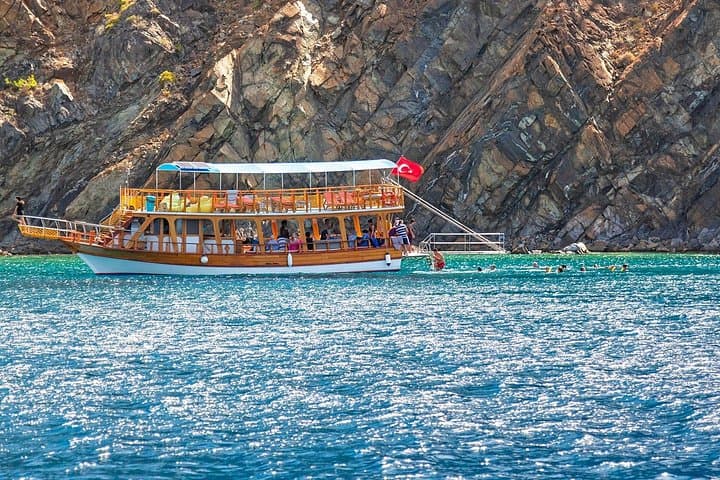
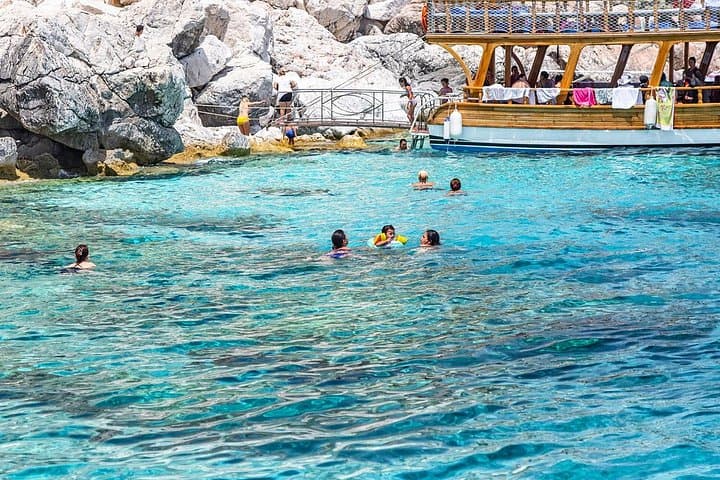
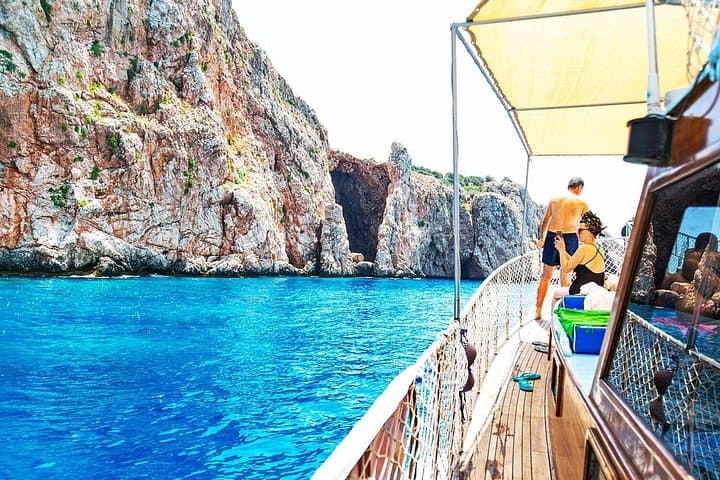
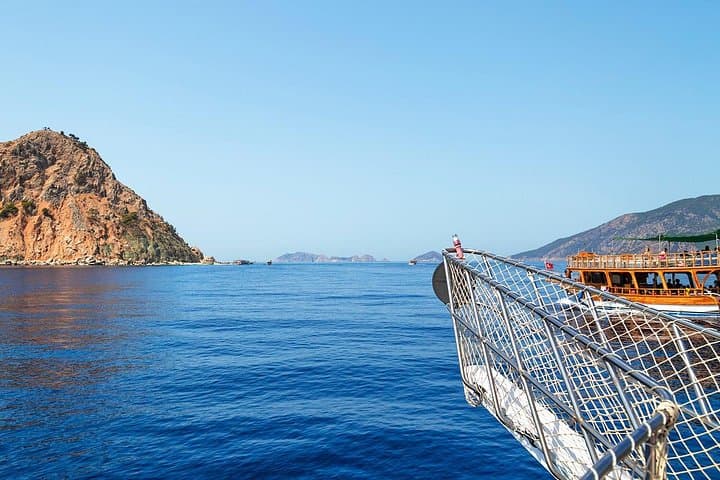
You step off the minibus into a pocket of green—Upper Düden’s park cools the midday heat with plane trees and the steady hiss of falling water. Trails wind past picnic tables and a small cave where spray threads the air; on the coast the Lower Düden hurls a 40‑meter curtain of water over limestone cliffs into the Mediterranean, visible as a white plume from the boat.
You step off the minibus into a pocket of green—Upper Düden’s park cools the midday heat with plane trees and the steady hiss of falling water. Trails wind past picnic tables and a small cave where spray threads the air; on the coast the Lower Düden hurls a 40‑meter curtain of water over limestone cliffs into the Mediterranean, visible as a white plume from the boat.
Antalya itself is a layered city: founded as Attaleia in the Hellenistic era, its Roman gate and Ottoman houses survive alongside modern marinas. Geologically the coast is a collision of limestone cliffs and calcareous terraces carved by rivers like the Düden, which have sculpted caves and plunge pools over millennia. Culturally, Kaleiçi—the Old Town—still moves at a pedestrian pace, with narrow cobbled lanes, local tea gardens, and fishermen unloading the morning’s catch at the Roman harbor.
Practically, this is a full but gentle day: expect 6–7 hours including hotel transfer, a short guided walk through the waterfall park, 1–2 hours exploring Kaleiçi, and a coastal boat trip that brings you close to the cliff face and offers swim stops when conditions allow. Wear sturdy sandals or light hiking shoes for slippery stones, bring sun protection, and carry a small dry bag for phone and wallet on the boat. Accessibility is generally good—many paths and transport options are wheelchair accessible—but steps and uneven paving exist in the Old Town. Plan for lunch on the itinerary and a camera with a splash cover—the dramatic meeting of river and sea is the highlight.