THE ADVENTURE COLLECTIVE® · Independent discovery and booking for outdoor travel

Spend a day trading Seoul’s skyline for sweeping flower fields and subterranean galleries. This private full‑day tour pairs the family‑friendly Anseong Farmland with the theatrical Gwangmyeong Cave—ideal for photographers, families and curious explorers.
Spend a day trading Seoul’s skyline for sweeping flower fields and subterranean galleries. This private full‑day tour pairs the family‑friendly Anseong Farmland with the theatrical Gwangmyeong Cave—ideal for photographers, families and curious explorers.
Morning light spills across tall rapeseed and cosmos at Anseong Farmland, the fields opening like pages of a rural story. Visitors move between fenced paddocks and wide flower swaths; the air smells faintly of hay and engine oil from distant farm equipment. Later the group slips below ground into Gwangmyeong Cave, where water-carved chambers hold LED-lit sculptures, an underground lake and a surprisingly theatrical Wine Cave.
Verified experiences and guided adventures in the surrounding area.
Operated by Here Korea Travel · Anseong, Gyeonggi-do
Morning light spills across tall rapeseed and cosmos at Anseong Farmland, the fields opening like pages of a rural story. Visitors move between fenced paddocks and wide flower swaths; the air smells faintly of hay and engine oil from distant farm equipment. Later the group slips below ground into Gwangmyeong Cave, where water-carved chambers hold LED-lit sculptures, an underground lake and a surprisingly theatrical Wine Cave.
The region sits in Gyeonggi-do, a plain shaped by Quaternary alluvium and nearby low ridgelines—farmland on gentle grades, caves bored into mineralized vein systems that were once actively mined for gold and silver. Anseong’s agricultural fairgrounds grew from local farming traditions into a family theme park; Gwangmyeong Cave repurposed a 20th‑century mine into a cultural attraction with performing spaces and art installations.
Expect easy walking on mostly flat, stroller-friendly paths at the farm and paved cave walkways with steps and dim sections underground. The day covers roughly 80–120 km of driving round-trip from central Seoul depending on pick-up points; on-foot time totals 2–4 hours split between sites. Time your visit for weekday mornings in spring or fall for fewer crowds and peak blooms.
Practical advice: wear sturdy shoes that handle muddy fields and slick cave ramps, bring a refillable water bottle and a compact rain layer. Carry a few thousand won in cash for optional rail-bike or food stalls. If traveling with children or mobility needs, the tour provides accessible transport and most paths are pram-friendly—confirm specifics with your guide before departure.
easy.
8–10 hours.
Light fitness; must be comfortable with 1–3 miles of casual walking and occasional stairs
Yes—entrance fees for the listed itinerary sites (Anseong Farmland and Gwangmyeong Cave) are included.
Pickup and dropoff at Seoul hotels are included; confirm exact pickup location and time when booking.
Yes—the private format allows adjustments; advise the guide in advance about priorities or timing changes.
The tour notes stroller and wheelchair accessibility for most areas, but some cave sections have steps—discuss specific mobility needs with the operator.
Gwangmyeong Cave was converted from a 20th‑century mining site into a themed cultural attraction; Anseong evolved from local agriculture into a large public farmland park and festival ground.
Stay on marked paths around flower fields and avoid feeding farm animals outside designated feeding areas; the cave’s fragile microclimate is preserved by limiting touching and littering.
Here Korea Travel operates guided outdoor trips and adventures with an emphasis on safety, stewardship, and memorable experiences.
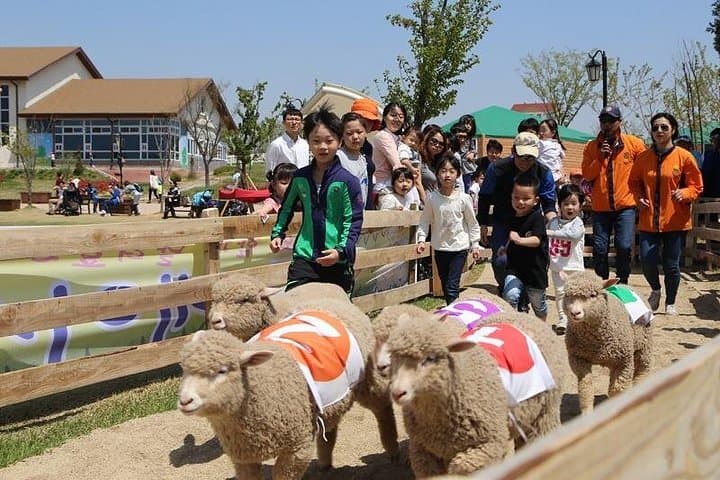
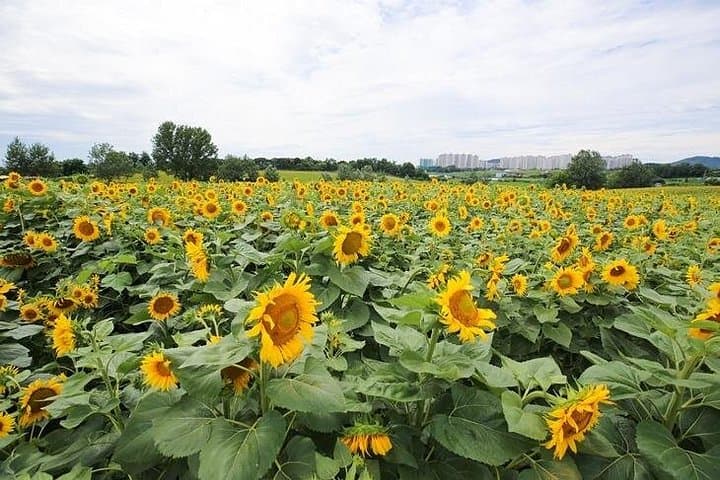
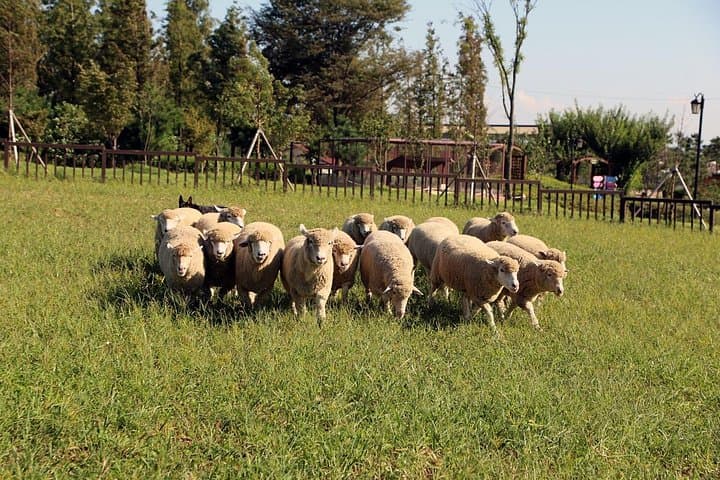
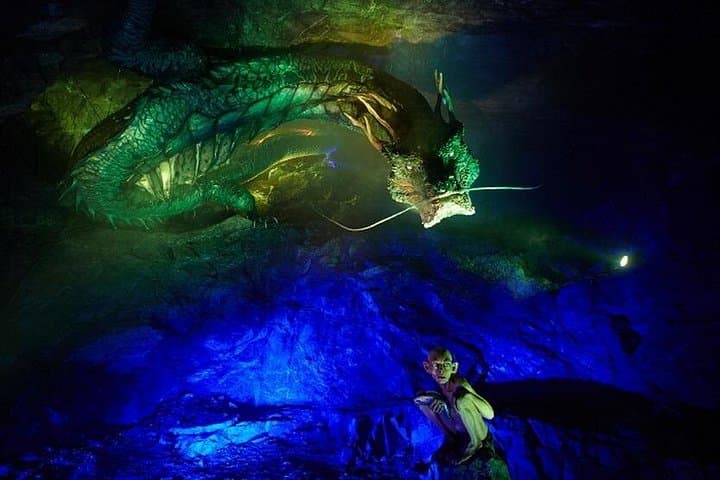
Morning light spills across tall rapeseed and cosmos at Anseong Farmland, the fields opening like pages of a rural story. Visitors move between fenced paddocks and wide flower swaths; the air smells faintly of hay and engine oil from distant farm equipment. Later the group slips below ground into Gwangmyeong Cave, where water-carved chambers hold LED-lit sculptures, an underground lake and a surprisingly theatrical Wine Cave.
Morning light spills across tall rapeseed and cosmos at Anseong Farmland, the fields opening like pages of a rural story. Visitors move between fenced paddocks and wide flower swaths; the air smells faintly of hay and engine oil from distant farm equipment. Later the group slips below ground into Gwangmyeong Cave, where water-carved chambers hold LED-lit sculptures, an underground lake and a surprisingly theatrical Wine Cave.
The region sits in Gyeonggi-do, a plain shaped by Quaternary alluvium and nearby low ridgelines—farmland on gentle grades, caves bored into mineralized vein systems that were once actively mined for gold and silver. Anseong’s agricultural fairgrounds grew from local farming traditions into a family theme park; Gwangmyeong Cave repurposed a 20th‑century mine into a cultural attraction with performing spaces and art installations.
Expect easy walking on mostly flat, stroller-friendly paths at the farm and paved cave walkways with steps and dim sections underground. The day covers roughly 80–120 km of driving round-trip from central Seoul depending on pick-up points; on-foot time totals 2–4 hours split between sites. Time your visit for weekday mornings in spring or fall for fewer crowds and peak blooms.
Practical advice: wear sturdy shoes that handle muddy fields and slick cave ramps, bring a refillable water bottle and a compact rain layer. Carry a few thousand won in cash for optional rail-bike or food stalls. If traveling with children or mobility needs, the tour provides accessible transport and most paths are pram-friendly—confirm specifics with your guide before departure.