THE ADVENTURE COLLECTIVE® · Independent discovery and booking for outdoor travel

A 14‑day private trek that crosses Kang La and Thorong La, taking you through Nar‑Phu, Manang and Muktinath with lodge stays and guided support. Expect high passes, remote villages, and steady altitude gain—best suited to trekkers with prior experience.
A 14‑day private trek that crosses Kang La and Thorong La, taking you through Nar‑Phu, Manang and Muktinath with lodge stays and guided support. Expect high passes, remote villages, and steady altitude gain—best suited to trekkers with prior experience.
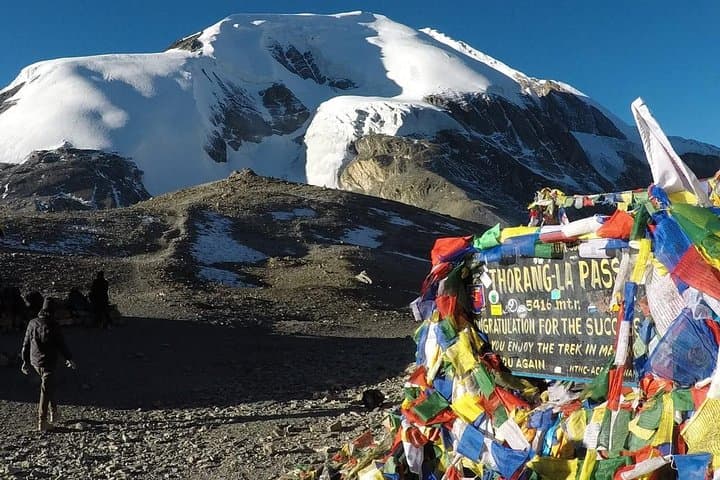
At dawn the trail climbs out of a sleeping village and the wind begins to push prayer flags sideways—this is the rhythm of the Annapurna Two Pass Trek. Over fourteen days walkers move from Kathmandu’s warm valley through river gorges and high, barren ridgelines to stand atop Kang La (≈5,315 m) and Thorong La (5,416 m), where the world narrows to peaks and sky.
Verified experiences and guided adventures in the surrounding area.
Operated by Altitude Himalaya · Kathmandu, Bagmati Province
At dawn the trail climbs out of a sleeping village and the wind begins to push prayer flags sideways—this is the rhythm of the Annapurna Two Pass Trek. Over fourteen days walkers move from Kathmandu’s warm valley through river gorges and high, barren ridgelines to stand atop Kang La (≈5,315 m) and Thorong La (5,416 m), where the world narrows to peaks and sky.
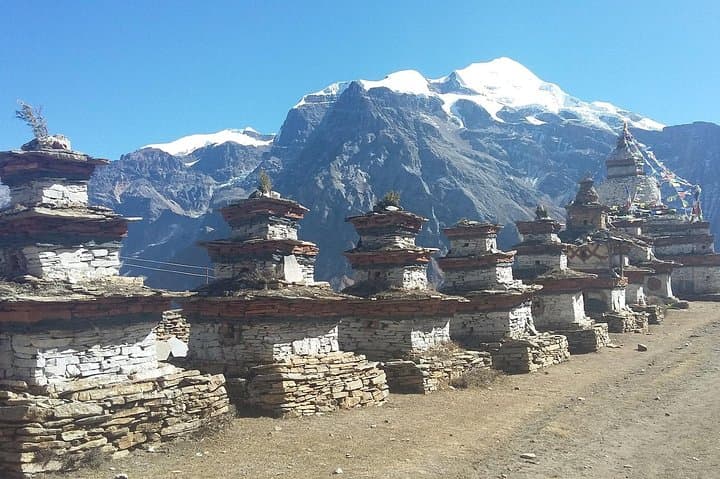
Geology here is blunt and recent: the Himalaya are rising as the Indian Plate forces into Asia, leaving glaciated amphitheaters, moraine ramps and the steep Kali Gandaki gorge. Culturally the route threads Gurung, Thakali and Tibetan-Buddhist villages — Ngawal and Braga show roadside chortens, mani walls and wooden houses with centuries of local practice. Muktinath, below Thorong La, remains an active pilgrimage site for Hindus and Buddhists.
Practically, trekkers should expect 4–8 hour walking days, simple tea-house lodgings, and large altitude changes that demand staged acclimatization. Permits (ACAP, TIMS and restricted-area permits for Nar-Phu) are required and typically handled by guides. Weather changes fast; mornings are calm, afternoons can bring wind and scatter snow high on the passes. Guides and porters shorten logistics—pack light and carry core layers, water, a sun hat and a quality sleeping bag.
This trek rewards steady pacing: take rest days in Manang, hydrate, and listen to your body on the high passes. When the clouds clear from Thorong La, the northern Annapurna and Dhaulagiri ranges present a hard, clean skyline that explains why walkers return for the challenge.
challenging.
12–14 days.
Good aerobic base and previous multi‑day trekking experience recommended; able to hike 4–8 hours/day with sustained uphill sections.
You need an Annapurna Conservation Area Permit (ACAP), a TIMS card and a restricted‑area permit for Nar‑Phu; licensed guides usually arrange them.
Prior multiday trekking experience at altitude is strongly recommended—this itinerary includes multiple days above 4,000 m and two 5,000+m passes.
Thorong La is a long, exposed ascent to 5,416 m; weather and wind can make it demanding—start early, go slowly, and rely on acclimatization.
Accommodation is tea‑house style: basic twin rooms with blankets; hot showers and charging are available at larger stops for a fee.
The route follows old trans‑Himalayan trade and pilgrimage corridors; Muktinath has been a joint Hindu‑Buddhist shrine for centuries and traders once linked these valleys to Tibet.
The Annapurna Conservation Area (ACAP) manages permits and trail maintenance; stick to marked paths, pack out waste where possible and support local lodges to keep tourism sustainable.
Altitude Himalaya operates guided outdoor trips and adventures with an emphasis on safety, stewardship, and memorable experiences.
At dawn the trail climbs out of a sleeping village and the wind begins to push prayer flags sideways—this is the rhythm of the Annapurna Two Pass Trek. Over fourteen days walkers move from Kathmandu’s warm valley through river gorges and high, barren ridgelines to stand atop Kang La (≈5,315 m) and Thorong La (5,416 m), where the world narrows to peaks and sky.
At dawn the trail climbs out of a sleeping village and the wind begins to push prayer flags sideways—this is the rhythm of the Annapurna Two Pass Trek. Over fourteen days walkers move from Kathmandu’s warm valley through river gorges and high, barren ridgelines to stand atop Kang La (≈5,315 m) and Thorong La (5,416 m), where the world narrows to peaks and sky.
Geology here is blunt and recent: the Himalaya are rising as the Indian Plate forces into Asia, leaving glaciated amphitheaters, moraine ramps and the steep Kali Gandaki gorge. Culturally the route threads Gurung, Thakali and Tibetan-Buddhist villages — Ngawal and Braga show roadside chortens, mani walls and wooden houses with centuries of local practice. Muktinath, below Thorong La, remains an active pilgrimage site for Hindus and Buddhists.
Practically, trekkers should expect 4–8 hour walking days, simple tea-house lodgings, and large altitude changes that demand staged acclimatization. Permits (ACAP, TIMS and restricted-area permits for Nar-Phu) are required and typically handled by guides. Weather changes fast; mornings are calm, afternoons can bring wind and scatter snow high on the passes. Guides and porters shorten logistics—pack light and carry core layers, water, a sun hat and a quality sleeping bag.
This trek rewards steady pacing: take rest days in Manang, hydrate, and listen to your body on the high passes. When the clouds clear from Thorong La, the northern Annapurna and Dhaulagiri ranges present a hard, clean skyline that explains why walkers return for the challenge.