THE ADVENTURE COLLECTIVE® · Independent discovery and booking for outdoor travel

Witness sunrise over Annapurna and Dhaulagiri on the classic Poon Hill trek, a 6–8 day circuit that blends high‑valley views, rhododendron forests, and village hospitality. Ideal for hikers with moderate fitness seeking big mountain panoramas and cultural immersion.
Witness sunrise over Annapurna and Dhaulagiri on the classic Poon Hill trek, a 6–8 day circuit that blends high‑valley views, rhododendron forests, and village hospitality. Ideal for hikers with moderate fitness seeking big mountain panoramas and cultural immersion.
Dawn breaks cold and clear over the terraced roofs of a Gurung village; the first light spills across a serrated skyline of summits and the ridgelines seem to reach for the sun itself. On the Poon Hill route, the mountains do the talking—Dhaulagiri and Annapurna I loom like patient giants while rhododendron forests lean close, their branches framing the view.
Verified experiences and guided adventures in the surrounding area.
Operated by Ace Hiking · Pokhara, Gandaki Province
Dawn breaks cold and clear over the terraced roofs of a Gurung village; the first light spills across a serrated skyline of summits and the ridgelines seem to reach for the sun itself. On the Poon Hill route, the mountains do the talking—Dhaulagiri and Annapurna I loom like patient giants while rhododendron forests lean close, their branches framing the view.
Geology here is dramatic: a collision zone where the Indian Plate still pushes under Asia, raising jagged peaks of metamorphic rock and glaciers that carved deep valleys. Human history runs parallel—Gurung and Magar communities have lived on these slopes for centuries and their military service as Gurkhas shapes local identity. Traditional stone teahouses, layered wool garments, and courtyard prayers are part of the daily rhythm.
Expect a mix of village tracks, stone staircases and narrow forest trails; elevation gains are steady rather than extreme, with Poon Hill itself at about 3,210 m. Wildlife is discreet—Himalayan birds and langur monkeys are common if you're quiet. Cultural stops include small temples and local museums in villages like Ghorepani.
Practical guidance: plan for early starts to catch sunrises, carry layered clothing for temperature swings, and bring a headlamp for pre-dawn ascents. Hydration and altitude-aware pacing matter; acclimatize with a rest day in Pokhara or a gradual ascent profile. Overnight options are basic teahouses—book peak-season spots ahead. With moderate fitness and good boots, this trek delivers sweeping views, cultural encounters, and a clear sense of Himalayan scale.
moderate.
6–8 days.
Moderate aerobic fitness with experience carrying a daypack; ability to hike 4–6 hours a day on uneven terrain.
Most itineraries run 6–8 days from Pokhara, allowing for steady ascents and a comfortable pace to Poon Hill and back.
A licensed guide is recommended for logistics and safety; porters are optional but useful for carrying heavy packs and supporting local employment.
Trekkers need an Annapurna Conservation Area Permit (ACAP) and Trekkers' Information Management System (TIMS) card—these are typically arranged in Pokhara or by your operator.
Poon Hill reaches about 3,210 m; altitude effects are possible but generally mild—pace yourself, hydrate, and monitor symptoms.
The Gurung and Magar communities have farmed these slopes for centuries and many residents have service histories with the Gurkha regiments, influencing local culture and dress.
The trek passes through the Annapurna Conservation Area—stick to marked trails, avoid single‑use plastics, and use local teahouses to support community-based tourism.
Ace Hiking operates guided outdoor trips and adventures with an emphasis on safety, stewardship, and memorable experiences.
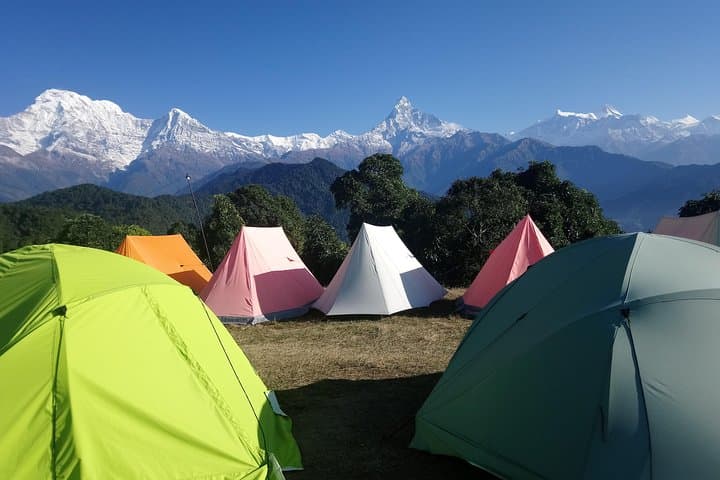
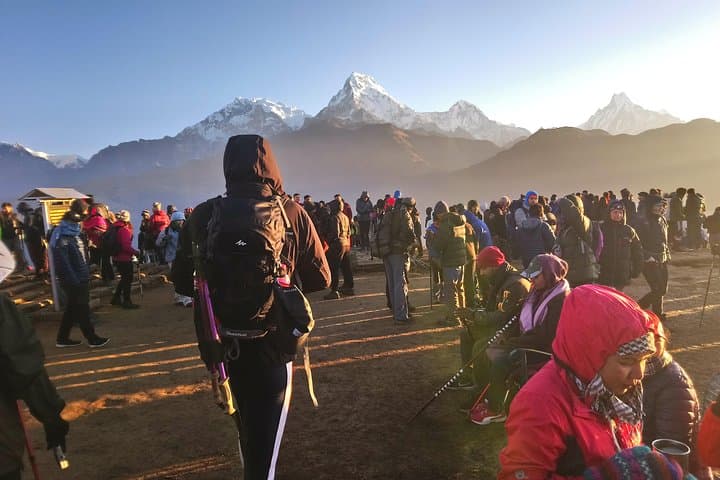
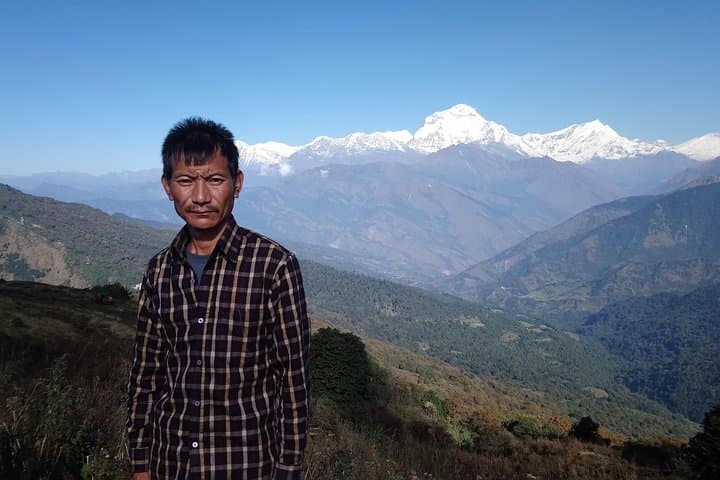
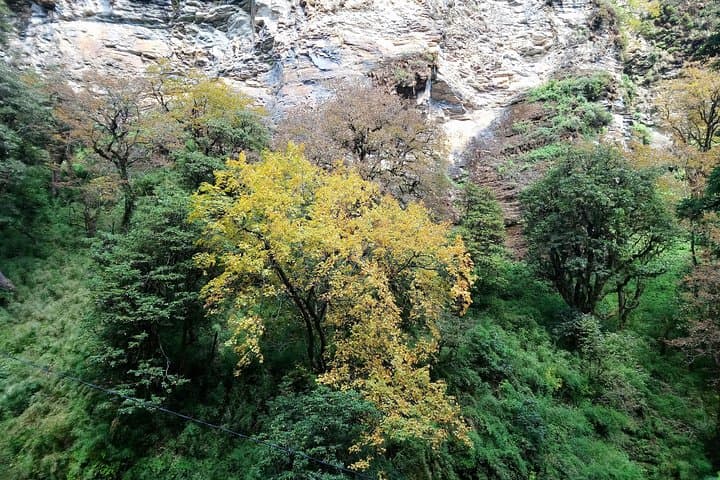
Dawn breaks cold and clear over the terraced roofs of a Gurung village; the first light spills across a serrated skyline of summits and the ridgelines seem to reach for the sun itself. On the Poon Hill route, the mountains do the talking—Dhaulagiri and Annapurna I loom like patient giants while rhododendron forests lean close, their branches framing the view.
Dawn breaks cold and clear over the terraced roofs of a Gurung village; the first light spills across a serrated skyline of summits and the ridgelines seem to reach for the sun itself. On the Poon Hill route, the mountains do the talking—Dhaulagiri and Annapurna I loom like patient giants while rhododendron forests lean close, their branches framing the view.
Geology here is dramatic: a collision zone where the Indian Plate still pushes under Asia, raising jagged peaks of metamorphic rock and glaciers that carved deep valleys. Human history runs parallel—Gurung and Magar communities have lived on these slopes for centuries and their military service as Gurkhas shapes local identity. Traditional stone teahouses, layered wool garments, and courtyard prayers are part of the daily rhythm.
Expect a mix of village tracks, stone staircases and narrow forest trails; elevation gains are steady rather than extreme, with Poon Hill itself at about 3,210 m. Wildlife is discreet—Himalayan birds and langur monkeys are common if you're quiet. Cultural stops include small temples and local museums in villages like Ghorepani.
Practical guidance: plan for early starts to catch sunrises, carry layered clothing for temperature swings, and bring a headlamp for pre-dawn ascents. Hydration and altitude-aware pacing matter; acclimatize with a rest day in Pokhara or a gradual ascent profile. Overnight options are basic teahouses—book peak-season spots ahead. With moderate fitness and good boots, this trek delivers sweeping views, cultural encounters, and a clear sense of Himalayan scale.