THE ADVENTURE COLLECTIVE® · Independent discovery and booking for outdoor travel

A demanding multi‑day traverse through the Annapurna Circuit that diverts to Tilicho Lake — one of the world’s highest alpine lakes — and crosses Thorong La. Expect tea‑house nights, long altitude gains, and sweeping Himalayan panoramas.
A demanding multi‑day traverse through the Annapurna Circuit that diverts to Tilicho Lake — one of the world’s highest alpine lakes — and crosses Thorong La. Expect tea‑house nights, long altitude gains, and sweeping Himalayan panoramas.
You step out before dawn on a slate‑colored trail, breath clouding in the thin air as the first ridgelines of Annapurna catch light. The route threads villages of stone and prayer flags, climbs into a wind-cut alpine world and finally opens on Tilicho Lake — a glacial bowl set above the tree line and ringed by jagged summits.
Verified experiences and guided adventures in the surrounding area.
Operated by Accessible Adventure Pvt. Ltd · Manang, Gandaki Province
You step out before dawn on a slate‑colored trail, breath clouding in the thin air as the first ridgelines of Annapurna catch light. The route threads villages of stone and prayer flags, climbs into a wind-cut alpine world and finally opens on Tilicho Lake — a glacial bowl set above the tree line and ringed by jagged summits.
The trail follows older trade and pilgrimage corridors across the Manang valley, passing gompas and mani walls that speak to Tibetan cultural ties and centuries of mountain movement. Geologically, the trek moves from fertile river terraces through fir and blue pine into moraine and scree; Tilicho itself sits in a steep glacial amphitheater formed by uplift and repeated ice flow.
Locals are largely Gurung, Magar and Thakali communities whose tea houses provide simple, reliable meals and a chance to learn about high‑altitude farming and yak herding. Expect long, exposed traverses on loose rock approaching Tilicho and a strenuous push over Thorong La at 5,416 m that rewards persistence with broad views across the Annapurna and Dhaulagiri ranges.
Practically: plan acclimatization days (Manang), pack layered insulation and a good sleeping bag, and bring a windproof shell for Muktinath and Thorong La. Tea houses handle most meals and sleeping; weather windows in spring and autumn are best for stable conditions. Hike conservatively on ascent days, hydrate, and be prepared to change plans if altitude symptoms appear. This is a demanding high‑altitude expedition — technical climbing isn't required, but fitness, respect for the mountains, and solid planning are essential.
challenging.
17–20 days.
Good aerobic fitness with experience on multi‑day hikes; able to trek 5–8 hours/day at altitude and handle prolonged uphill sections.
Yes — Annapurna Conservation Area Permit (ACAP) and TIMS are required; reputable operators usually handle permits before departure.
Spring (March–May) and autumn (September–November) offer the most stable weather and clearer mountain views; winter brings heavy snow on high sections.
No technical climbing is required for the standard Tilicho route, but you will encounter steep scree, loose rock and glacier flats; crampons can be useful in shoulder seasons.
Ascend slowly, include an acclimatization day in Manang, stay well hydrated, avoid alcohol, and descend immediately if moderate to severe AMS symptoms appear; guides often carry oxygen and medical kits.
The route follows ancient trans‑Himalayan trade and pilgrimage corridors linking Tibetan plateaus with lowland Nepal; monasteries and mani walls reflect centuries of Buddhist practice.
This trek runs through the Annapurna Conservation Area (ACAP), which manages permits and supports local waste‑management and sustainable tourism efforts to limit erosion and garbage in fragile alpine zones.
Accessible Adventure Pvt. Ltd operates guided outdoor trips and adventures with an emphasis on safety, stewardship, and memorable experiences.
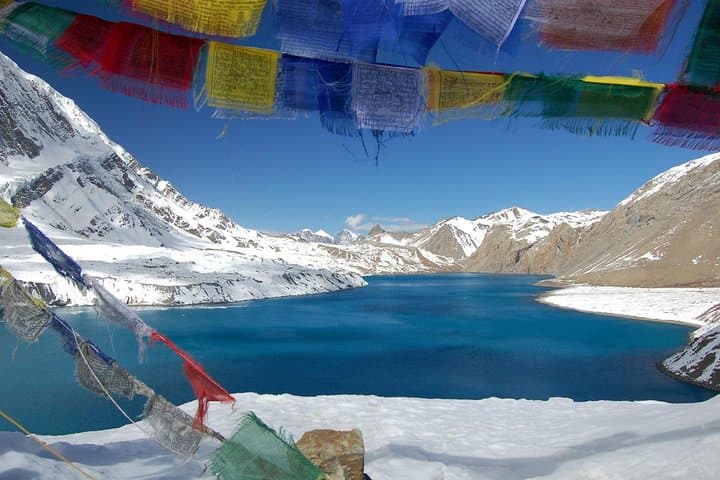
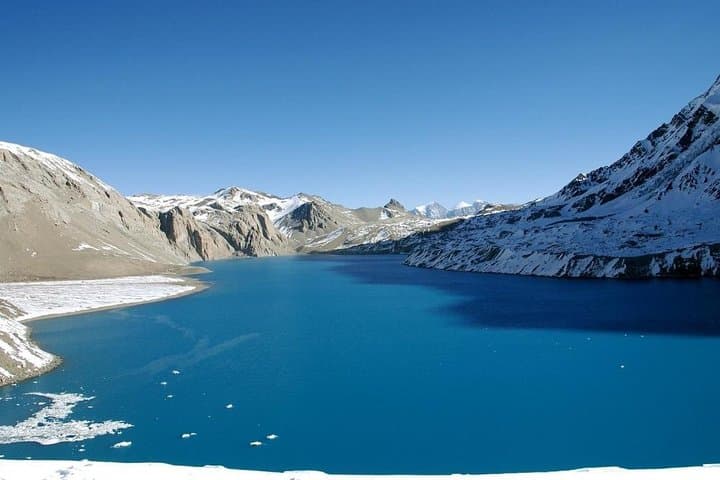
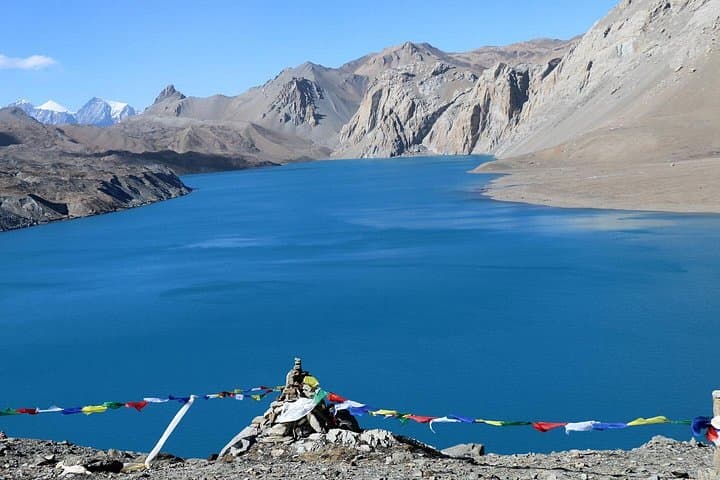
You step out before dawn on a slate‑colored trail, breath clouding in the thin air as the first ridgelines of Annapurna catch light. The route threads villages of stone and prayer flags, climbs into a wind-cut alpine world and finally opens on Tilicho Lake — a glacial bowl set above the tree line and ringed by jagged summits.
You step out before dawn on a slate‑colored trail, breath clouding in the thin air as the first ridgelines of Annapurna catch light. The route threads villages of stone and prayer flags, climbs into a wind-cut alpine world and finally opens on Tilicho Lake — a glacial bowl set above the tree line and ringed by jagged summits.
The trail follows older trade and pilgrimage corridors across the Manang valley, passing gompas and mani walls that speak to Tibetan cultural ties and centuries of mountain movement. Geologically, the trek moves from fertile river terraces through fir and blue pine into moraine and scree; Tilicho itself sits in a steep glacial amphitheater formed by uplift and repeated ice flow.
Locals are largely Gurung, Magar and Thakali communities whose tea houses provide simple, reliable meals and a chance to learn about high‑altitude farming and yak herding. Expect long, exposed traverses on loose rock approaching Tilicho and a strenuous push over Thorong La at 5,416 m that rewards persistence with broad views across the Annapurna and Dhaulagiri ranges.
Practically: plan acclimatization days (Manang), pack layered insulation and a good sleeping bag, and bring a windproof shell for Muktinath and Thorong La. Tea houses handle most meals and sleeping; weather windows in spring and autumn are best for stable conditions. Hike conservatively on ascent days, hydrate, and be prepared to change plans if altitude symptoms appear. This is a demanding high‑altitude expedition — technical climbing isn't required, but fitness, respect for the mountains, and solid planning are essential.