THE ADVENTURE COLLECTIVE® · Independent discovery and booking for outdoor travel

A 16-day high-altitude circuit from Kathmandu that reaches Tilicho Lake—the world’s one of highest lakes—through Manang and the Kali Gandaki valley. Expect alpine geology, Tibetan-influenced villages, and variable terrain requiring acclimatization and good boots.
A 16-day high-altitude circuit from Kathmandu that reaches Tilicho Lake—the world’s one of highest lakes—through Manang and the Kali Gandaki valley. Expect alpine geology, Tibetan-influenced villages, and variable terrain requiring acclimatization and good boots.
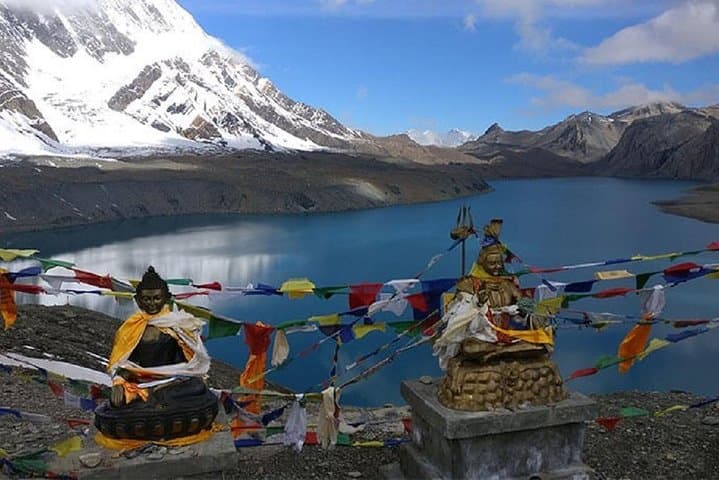
Morning light slices the Annapurna range into layers of rock and ice as a convoy leaves Kathmandu and follows the Marsyangdi River toward the high rainshadow of Manang. By the second day the road narrows, jeeps give way to mule tracks, and the mountain air begins to thin; Tilicho Lake appears after long climbs over yak pastures and moraine slopes, a robin-egg basin cradled beneath roaring ridgelines.
Verified experiences and guided adventures in the surrounding area.
Operated by Mega Mount Trekking Expedition P. Ltd · Manang, Gandaki Province
Morning light slices the Annapurna range into layers of rock and ice as a convoy leaves Kathmandu and follows the Marsyangdi River toward the high rainshadow of Manang. By the second day the road narrows, jeeps give way to mule tracks, and the mountain air begins to thin; Tilicho Lake appears after long climbs over yak pastures and moraine slopes, a robin-egg basin cradled beneath roaring ridgelines.
The route threads historic trade corridors between Nepal and Tibet, passes centuries-old gompas, and crosses varied geology from river-cut alluvium to glacial cirques. Villages along the way—Chame, Pisang, Manang, Khangsar—show Gurung and Tibetan cultural threads in prayer flags, mani walls and butter-lamp shrines. Tilicho is one of the world’s highest lakes and sits in an alpine bowl carved by glaciers, while the Kali Gandaki valley below marks a dramatic schism between Annapurna and Dhaulagiri massifs.
Expect high-altitude trekking rhythms: early starts, measured paces, and rest days in Manang for acclimatization. Trails vary from well-graded stone steps to loose scree and snow in shoulder seasons; stream crossings and exposed sections require solid footing. Bring layered insulation, a four-season sleeping bag if camping, and a plan for altitude—acetazolamide is commonly advised for those prone to symptoms. Hydrate steadily, monitor breathing and sleep quality, and hire experienced guides for navigation and cultural insight.
This 16-day itinerary combines alpine challenge with cultural immersion: temple visits at Muktinath, yak-herd meadows, remote high camps and the brisk, reflective stillness of Tilicho at dawn. Time your trek for clear windows in spring or autumn, and respect local water sources and prayer sites to keep the trail healthy for communities that rely on it.
challenging.
16 days.
Good aerobic fitness with prior multi-day hiking experience; ability to hike 5–7 hours on uneven terrain at altitude.
Yes—trekkers need an Annapurna Conservation Area Permit (ACAP) and a TIMS card; guides typically assist with arrangements before departure.
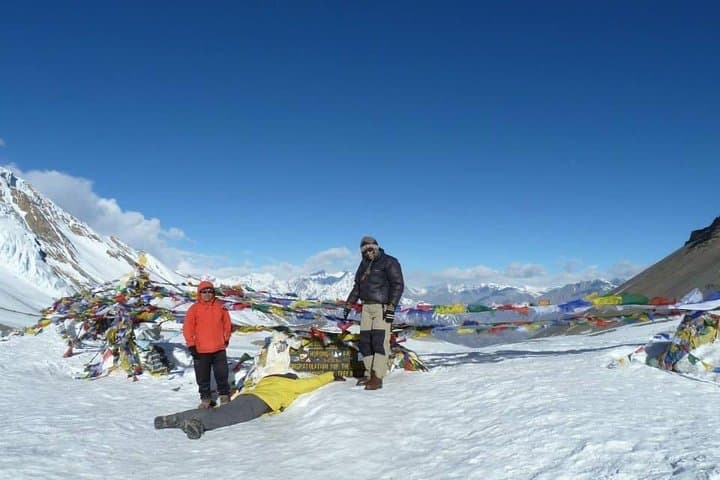
The itinerary reaches Thorong La high camp area and crosses near Thorong La Pass (5,416 m) on the larger circuit; Tilicho Lake sits at roughly 4,900 m depending on the route.
Spring (March–May) and autumn (September–November) offer the most stable weather and clear mountain views; shoulder seasons can see snow or rain at higher elevations.
It can be—follow a conservative ascent profile, use the scheduled acclimatization day in Manang, hydrate, and consider medication if you've had prior issues; descend immediately if symptoms worsen.
The circuit follows old trade and pilgrimage routes between the high Tibetan plateau and lower Himalayan valleys; Muktinath is an important shrine for Hindus and Buddhists alike.
The Annapurna Conservation Area regulates permits and promotes community-based tourism; practice pack-in-pack-out, avoid single-use plastics, and follow local guidelines for water use and firewood.
Mega Mount Trekking Expedition P. Ltd operates guided outdoor trips and adventures with an emphasis on safety, stewardship, and memorable experiences.


Morning light slices the Annapurna range into layers of rock and ice as a convoy leaves Kathmandu and follows the Marsyangdi River toward the high rainshadow of Manang. By the second day the road narrows, jeeps give way to mule tracks, and the mountain air begins to thin; Tilicho Lake appears after long climbs over yak pastures and moraine slopes, a robin-egg basin cradled beneath roaring ridgelines.
Morning light slices the Annapurna range into layers of rock and ice as a convoy leaves Kathmandu and follows the Marsyangdi River toward the high rainshadow of Manang. By the second day the road narrows, jeeps give way to mule tracks, and the mountain air begins to thin; Tilicho Lake appears after long climbs over yak pastures and moraine slopes, a robin-egg basin cradled beneath roaring ridgelines.
The route threads historic trade corridors between Nepal and Tibet, passes centuries-old gompas, and crosses varied geology from river-cut alluvium to glacial cirques. Villages along the way—Chame, Pisang, Manang, Khangsar—show Gurung and Tibetan cultural threads in prayer flags, mani walls and butter-lamp shrines. Tilicho is one of the world’s highest lakes and sits in an alpine bowl carved by glaciers, while the Kali Gandaki valley below marks a dramatic schism between Annapurna and Dhaulagiri massifs.
Expect high-altitude trekking rhythms: early starts, measured paces, and rest days in Manang for acclimatization. Trails vary from well-graded stone steps to loose scree and snow in shoulder seasons; stream crossings and exposed sections require solid footing. Bring layered insulation, a four-season sleeping bag if camping, and a plan for altitude—acetazolamide is commonly advised for those prone to symptoms. Hydrate steadily, monitor breathing and sleep quality, and hire experienced guides for navigation and cultural insight.
This 16-day itinerary combines alpine challenge with cultural immersion: temple visits at Muktinath, yak-herd meadows, remote high camps and the brisk, reflective stillness of Tilicho at dawn. Time your trek for clear windows in spring or autumn, and respect local water sources and prayer sites to keep the trail healthy for communities that rely on it.