THE ADVENTURE COLLECTIVE® · Independent discovery and booking for outdoor travel

A classic high-mountain trek that rises from terraced villages to the amphitheater of Annapurna Base Camp. This 9-day route includes Poon Hill sunrise, rhododendron forests, and teahouse nights — ideal for trekkers ready for steady altitude gain and big Himalayan views.
A classic high-mountain trek that rises from terraced villages to the amphitheater of Annapurna Base Camp. This 9-day route includes Poon Hill sunrise, rhododendron forests, and teahouse nights — ideal for trekkers ready for steady altitude gain and big Himalayan views.
You step off the jeep at Nayapul, cool mountain air pressing at your face, and start up a trail that trades fields and stone steps for rhododendron-scented forest. Day by day the valley narrows; terraced farms and village teahouses thin out and the trail climbs into alpine bowls where peaks begin to claim the skyline.
Verified experiences and guided adventures in the surrounding area.
Operated by Outshine Adventure Pvt Ltd · Pokhara, Gandaki Province
You step off the jeep at Nayapul, cool mountain air pressing at your face, and start up a trail that trades fields and stone steps for rhododendron-scented forest. Day by day the valley narrows; terraced farms and village teahouses thin out and the trail climbs into alpine bowls where peaks begin to claim the skyline.
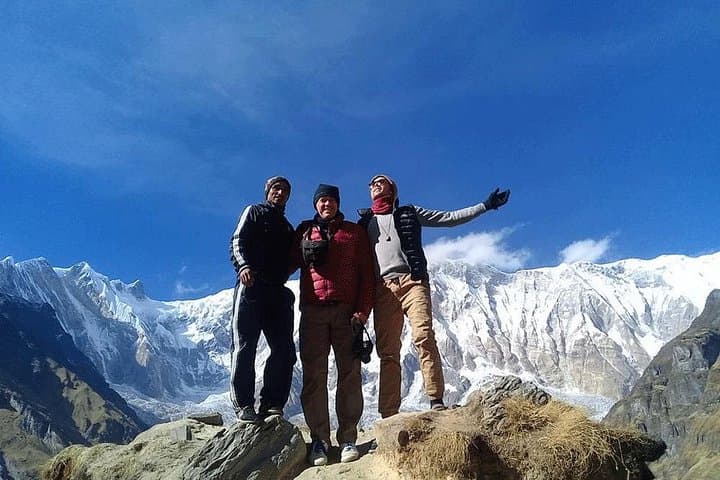
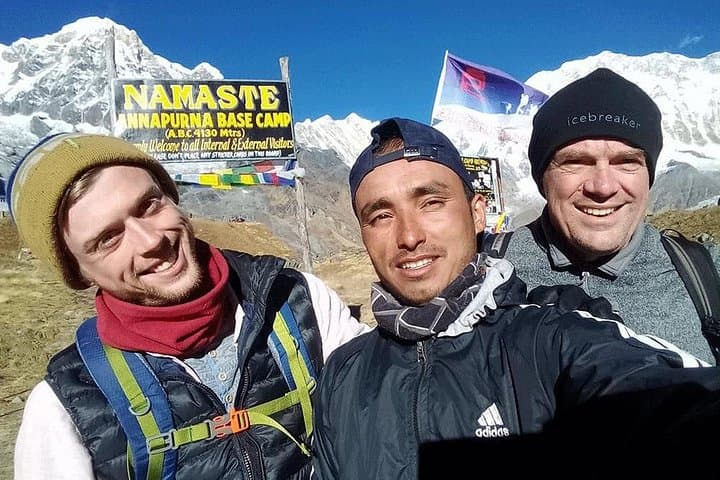
This itinerary threads classical Annapurna country — Ghorepani and the famous sunrise at Poon Hill, the forested passwork toward Deurali, then into the amphitheater of the Annapurna Sanctuary and up to Base Camp at roughly 4,110 m. Geologically the sanctuary is a glacial cirque carved against towering granite and metasedimentary faces. Culturally the route crosses Gurung and Magar villages where hospitality centers on simple teahouses and communal meals.
Expect 4–6 hours of walking on most days, a few longer ascents and technical-free but steep, rocky terrain. Lodging is teahouse-style; the operator provides permits (ACAP and TIMS), porter options, and sleeping bags if needed. Altitude is the principal challenge: plan for gradual ascent, monitor symptoms, and carry water treatment and warm layers.
Best windows for clear mountain views are spring (late March–May) and fall (September–November); monsoon months are slippery and winter brings deep cold above 3,000 m. Practical packing includes sturdy boots, layered insulation, a down jacket, and a headlamp for early starts. With sensible pacing, the Annapurna Sanctuary Trek is a classic high-elevation trek that balances cultural insight, sustained alpine scenery, and achievable technical demands for experienced walkers.
challenging.
7–10 days.
Good cardiovascular fitness with previous multi-day hiking experience; ability to hike 4–6 hours on steep, uneven trails.
Annapurna Base Camp sits around 4,110 m; many trekkers experience mild symptoms — headache, nausea — which is why gradual ascent, hydration, and rest days are recommended.
Yes — the Annapurna Conservation Area Permit (ACAP) and a TIMS card are required; most operators arrange them before the trek.
Accommodation is basic teahouse lodges offering a bed and simple meals; facilities become more spartan and colder with altitude.
Spring (late March–May) and fall (September–November) offer the most stable weather and best visibility of the peaks.
The Annapurna Sanctuary has long been part of local Gurung and Magar grazing and pilgrimage routes; trekking developed after conservation and tourism frameworks were established in the late 20th century.
Treks pass through Annapurna Conservation Area; visitors are asked to minimize waste, avoid single-use plastics, and follow established trails to reduce erosion.
Outshine Adventure Pvt Ltd operates guided outdoor trips and adventures with an emphasis on safety, stewardship, and memorable experiences.
You step off the jeep at Nayapul, cool mountain air pressing at your face, and start up a trail that trades fields and stone steps for rhododendron-scented forest. Day by day the valley narrows; terraced farms and village teahouses thin out and the trail climbs into alpine bowls where peaks begin to claim the skyline.
You step off the jeep at Nayapul, cool mountain air pressing at your face, and start up a trail that trades fields and stone steps for rhododendron-scented forest. Day by day the valley narrows; terraced farms and village teahouses thin out and the trail climbs into alpine bowls where peaks begin to claim the skyline.
This itinerary threads classical Annapurna country — Ghorepani and the famous sunrise at Poon Hill, the forested passwork toward Deurali, then into the amphitheater of the Annapurna Sanctuary and up to Base Camp at roughly 4,110 m. Geologically the sanctuary is a glacial cirque carved against towering granite and metasedimentary faces. Culturally the route crosses Gurung and Magar villages where hospitality centers on simple teahouses and communal meals.
Expect 4–6 hours of walking on most days, a few longer ascents and technical-free but steep, rocky terrain. Lodging is teahouse-style; the operator provides permits (ACAP and TIMS), porter options, and sleeping bags if needed. Altitude is the principal challenge: plan for gradual ascent, monitor symptoms, and carry water treatment and warm layers.
Best windows for clear mountain views are spring (late March–May) and fall (September–November); monsoon months are slippery and winter brings deep cold above 3,000 m. Practical packing includes sturdy boots, layered insulation, a down jacket, and a headlamp for early starts. With sensible pacing, the Annapurna Sanctuary Trek is a classic high-elevation trek that balances cultural insight, sustained alpine scenery, and achievable technical demands for experienced walkers.