THE ADVENTURE COLLECTIVE® · Independent discovery and booking for outdoor travel

An eight-day route from Kathmandu to Poon Hill that combines sunrise panoramas of the Annapurnas with village culture. Expect 3–6 hour walking days, teahouse stays, and manageable ascents to 3,210 m.
An eight-day route from Kathmandu to Poon Hill that combines sunrise panoramas of the Annapurnas with village culture. Expect 3–6 hour walking days, teahouse stays, and manageable ascents to 3,210 m.
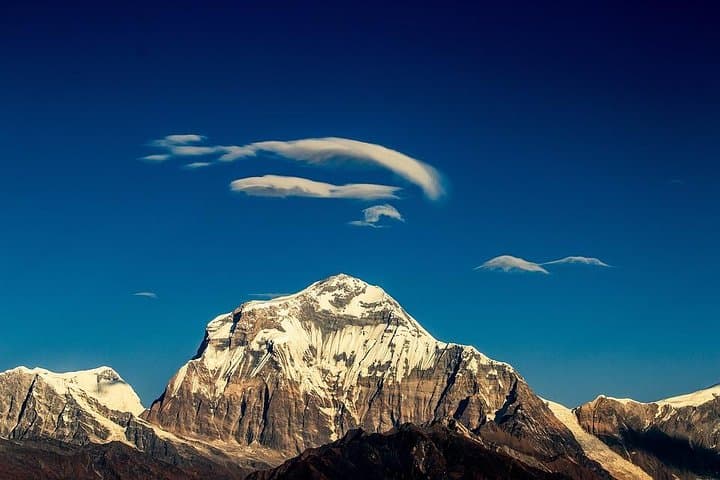
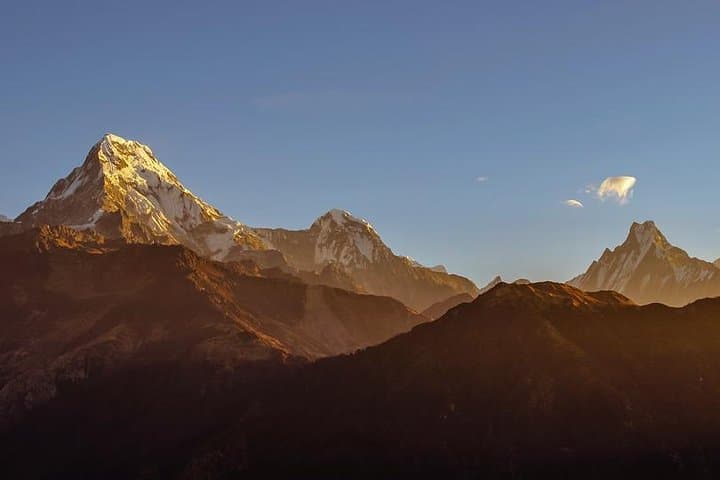
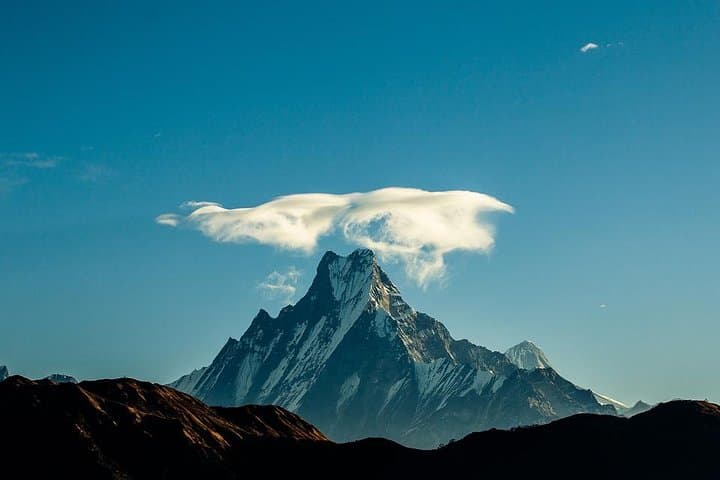
Morning light strips the valley as your bus leaves Kathmandu and the plains give way to terraced fields and rhododendron-clad slopes. By the time you step off at Nayapul, the river’s roar and the wooden suspension bridges set the tempo: this is a walking trip paced by streams, tea houses and mountain weather. The high point is Poon Hill (around 3,210 m) — a one-hour predawn climb from Ghorepani that rewards you with a panoramic sweep of Annapurna, Dhaulagiri and Machhapuchhre.
Verified experiences and guided adventures in the surrounding area.
Operated by Liberty Holidays · Pokhara, Gandaki Province
Morning light strips the valley as your bus leaves Kathmandu and the plains give way to terraced fields and rhododendron-clad slopes. By the time you step off at Nayapul, the river’s roar and the wooden suspension bridges set the tempo: this is a walking trip paced by streams, tea houses and mountain weather. The high point is Poon Hill (around 3,210 m) — a one-hour predawn climb from Ghorepani that rewards you with a panoramic sweep of Annapurna, Dhaulagiri and Machhapuchhre.
This route threads Gurung and Magar villages where stone houses and slate roofs reflect centuries of hill farming; the Annapurna massif itself is a young uplift carved by glaciation and monsoon-fed rivers. Cultural stops include Ghandruk, a living Gurung settlement with a small cultural museum and panoramic views of Annapurna South.
Expect six days of walking with daily stages of 3–6 hours on packed dirt trails, stone staircases and forest tracks through oak and rhododendron. Lodges (teahouses) provide simple meals and a bed; a porter is typically included to carry heavier bags. Permits for Annapurna Conservation Area and TIMS are required and usually handled by operators.
Practical notes: start Poon Hill before dawn for summit light, layer for cold mornings and warm afternoons, carry cash for teahouses, and acclimatize by pacing your ascent—Poon Hill’s altitude can affect anyone. Good footwear, water treatment, and a modest fitness base will make the trek enjoyable rather than punishing. With prepared pacing and respect for mountain weather, the Annapurna Panoramic trek is an accessible Himalayan introduction that combines big views with local culture.
moderate.
8 days.
Suitable for moderately fit travelers who can handle consecutive days of uphill walking (3–6 hours/day) and basic trekking conditions.
The itinerary is classified as relatively easy to moderate: daily hikes are 3–6 hours with one higher point at Poon Hill (~3,210 m); basic fitness and previous stair-climbing comfort help.
Yes — Annapurna Conservation Area Permit (ACAP) and a TIMS card are required; the operator typically arranges these before departure.
Spring (March–May) and autumn (September–November) offer the most stable weather and clear mountain views; monsoon summer is wetter and winter brings colder nights and occasional snow.
Teahouse lodges are basic: shared or private rooms with blankets, communal dining, and simple Nepalese meals; hot showers and Wi‑Fi (where available) often cost extra.
The Ghorepani–Poon Hill route has long served local trade and seasonal grazing; Gurung and Magar communities have inhabited these slopes for centuries.
The trek runs inside the Annapurna Conservation Area; stick to marked trails, use established lodges, and minimize single‑use plastics to reduce impact.
Liberty Holidays operates guided outdoor trips and adventures with an emphasis on safety, stewardship, and memorable experiences.

Morning light strips the valley as your bus leaves Kathmandu and the plains give way to terraced fields and rhododendron-clad slopes. By the time you step off at Nayapul, the river’s roar and the wooden suspension bridges set the tempo: this is a walking trip paced by streams, tea houses and mountain weather. The high point is Poon Hill (around 3,210 m) — a one-hour predawn climb from Ghorepani that rewards you with a panoramic sweep of Annapurna, Dhaulagiri and Machhapuchhre.
Morning light strips the valley as your bus leaves Kathmandu and the plains give way to terraced fields and rhododendron-clad slopes. By the time you step off at Nayapul, the river’s roar and the wooden suspension bridges set the tempo: this is a walking trip paced by streams, tea houses and mountain weather. The high point is Poon Hill (around 3,210 m) — a one-hour predawn climb from Ghorepani that rewards you with a panoramic sweep of Annapurna, Dhaulagiri and Machhapuchhre.
This route threads Gurung and Magar villages where stone houses and slate roofs reflect centuries of hill farming; the Annapurna massif itself is a young uplift carved by glaciation and monsoon-fed rivers. Cultural stops include Ghandruk, a living Gurung settlement with a small cultural museum and panoramic views of Annapurna South.
Expect six days of walking with daily stages of 3–6 hours on packed dirt trails, stone staircases and forest tracks through oak and rhododendron. Lodges (teahouses) provide simple meals and a bed; a porter is typically included to carry heavier bags. Permits for Annapurna Conservation Area and TIMS are required and usually handled by operators.
Practical notes: start Poon Hill before dawn for summit light, layer for cold mornings and warm afternoons, carry cash for teahouses, and acclimatize by pacing your ascent—Poon Hill’s altitude can affect anyone. Good footwear, water treatment, and a modest fitness base will make the trek enjoyable rather than punishing. With prepared pacing and respect for mountain weather, the Annapurna Panoramic trek is an accessible Himalayan introduction that combines big views with local culture.