THE ADVENTURE COLLECTIVE® · Independent discovery and booking for outdoor travel

A classic high‑country trek circling the Annapurna massif, this multi‑day route passes villages, glaciers and the Thorong La pass. Learn what to expect—terrain, culture, and practical tips for a safe, scenic crossing.
A classic high‑country trek circling the Annapurna massif, this multi‑day route passes villages, glaciers and the Thorong La pass. Learn what to expect—terrain, culture, and practical tips for a safe, scenic crossing.
You wake before dawn on a stone terrace in Manang, the air thin and bright, the massif of Annapurna and Gangapurna slicing the horizon. Prayer flags rattle like a small, steady drumbeat as the trail climbs out of forest into alpine scrub; below, the Marshyangdi River keeps time, daring you onward.
Verified experiences and guided adventures in the surrounding area.
Operated by Adventure Blossom Treks and Expedition Pvt.Ltd · Manang, Gandaki Province
You wake before dawn on a stone terrace in Manang, the air thin and bright, the massif of Annapurna and Gangapurna slicing the horizon. Prayer flags rattle like a small, steady drumbeat as the trail climbs out of forest into alpine scrub; below, the Marshyangdi River keeps time, daring you onward.
The Circuit traces ancient trade and pilgrimage routes that linked Nepal to Tibet. Geologically the route crosses dramatic transitions—from fir-forested valleys and terraced farmland to the rain-shadow of the northern range, where glacial moraine and wind-swept scree dominate. Villages—Gurung, Magar and Manangi—preserve distinct languages, dress and hospitality; teahouses serve dhal baat alongside stories of salt caravans and local deities.
Expect sustained ascents, long days of 12–20 km, and the high point at Thorong La (5,416 m) on many itineraries. Sections in the Marshyangdi Valley now run parallel to seasonal jeep tracks, but this itinerary follows older trails that avoid most roads, preserving quieter high-country scenery. Side trips include Tilicho Lake and Braga monastery for high-altitude perspective and cultural depth.
Practical edge: acclimatize with planned rest days in Manang, carry an insulated down jacket and reliable boots, and factor in early-morning starts to avoid afternoon wind and snow. Permits (ACAP and TIMS), a knowledgeable guide, and contingency time for weather are essential. Hydrate, watch pace on steep passes, and book teahouses or lodges in high season—spring and autumn—when views and trail conditions are most reliable.
challenging.
14–20 days.
Good aerobic fitness and multi‑day endurance; previous multi‑day hikes or regular cardio training advised
Yes — an Annapurna Conservation Area Permit (ACAP) and a TIMS card are required; your guide or agency usually arranges them.
Spring (March–May) and autumn (September–November) offer the most stable weather and clear mountain views; monsoon months are wet, winter is cold and snow can close Thorong La.
Thorong La is about 5,416 m; it carries objective risks (altitude, steep descents, weather), so proper acclimatization and flexibility are crucial.
Yes — basic teahouses and lodges provide meals and shared rooms on most nights, but standards vary and high season requires reservations.
The Circuit follows centuries‑old trade and pilgrimage corridors connecting Nepal and Tibet; Manang served as an important stop for caravans and cultural exchange.
The Annapurna Conservation Area (ACAP) manages permits, waste programs and community tourism; stay on trails, pack out waste where possible and support local teahouses.
Adventure Blossom Treks and Expedition Pvt.Ltd operates guided outdoor trips and adventures with an emphasis on safety, stewardship, and memorable experiences.
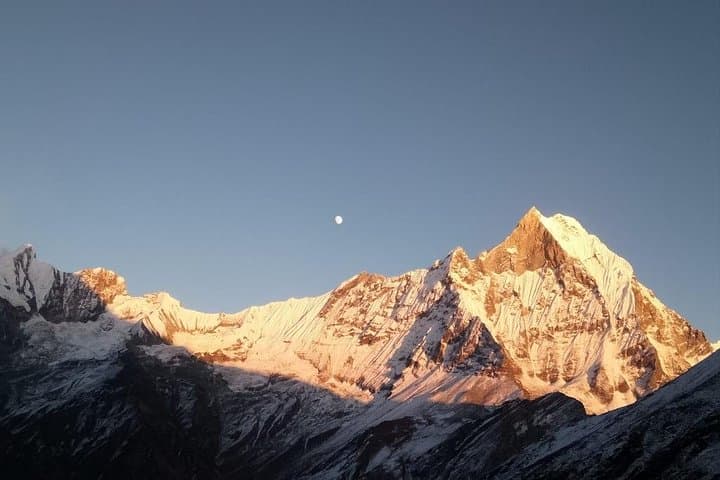
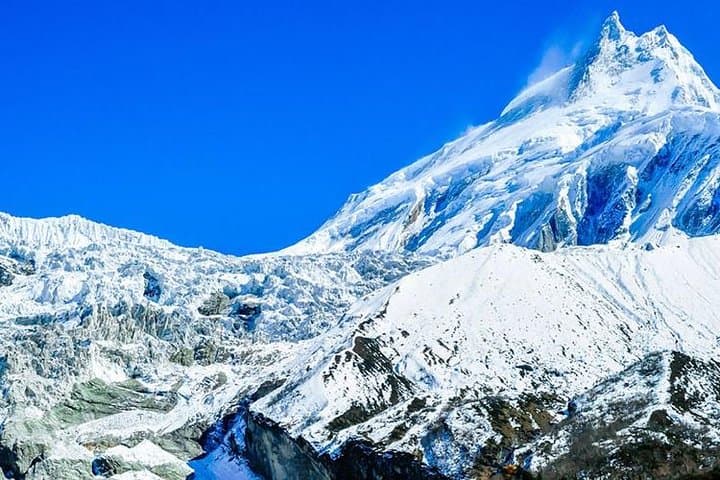
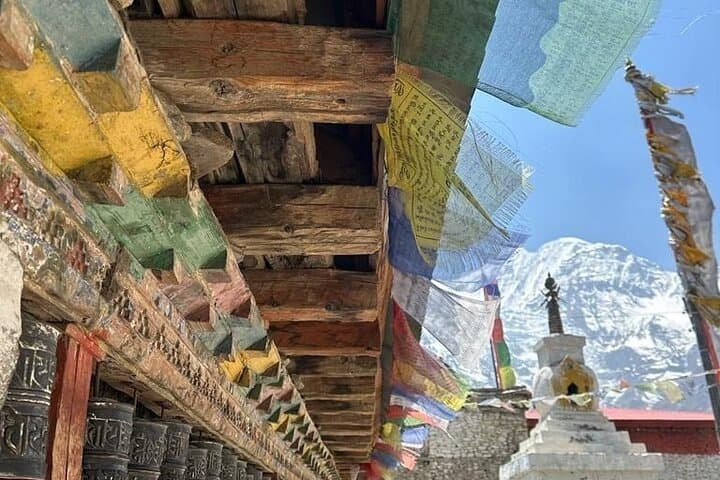
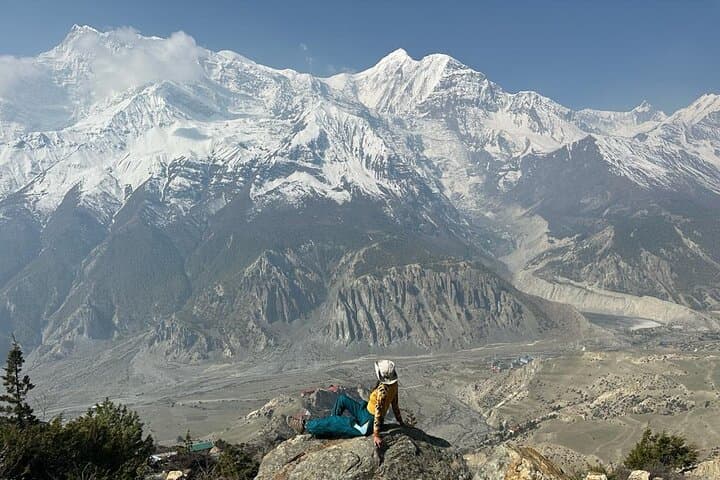
You wake before dawn on a stone terrace in Manang, the air thin and bright, the massif of Annapurna and Gangapurna slicing the horizon. Prayer flags rattle like a small, steady drumbeat as the trail climbs out of forest into alpine scrub; below, the Marshyangdi River keeps time, daring you onward.
You wake before dawn on a stone terrace in Manang, the air thin and bright, the massif of Annapurna and Gangapurna slicing the horizon. Prayer flags rattle like a small, steady drumbeat as the trail climbs out of forest into alpine scrub; below, the Marshyangdi River keeps time, daring you onward.
The Circuit traces ancient trade and pilgrimage routes that linked Nepal to Tibet. Geologically the route crosses dramatic transitions—from fir-forested valleys and terraced farmland to the rain-shadow of the northern range, where glacial moraine and wind-swept scree dominate. Villages—Gurung, Magar and Manangi—preserve distinct languages, dress and hospitality; teahouses serve dhal baat alongside stories of salt caravans and local deities.
Expect sustained ascents, long days of 12–20 km, and the high point at Thorong La (5,416 m) on many itineraries. Sections in the Marshyangdi Valley now run parallel to seasonal jeep tracks, but this itinerary follows older trails that avoid most roads, preserving quieter high-country scenery. Side trips include Tilicho Lake and Braga monastery for high-altitude perspective and cultural depth.
Practical edge: acclimatize with planned rest days in Manang, carry an insulated down jacket and reliable boots, and factor in early-morning starts to avoid afternoon wind and snow. Permits (ACAP and TIMS), a knowledgeable guide, and contingency time for weather are essential. Hydrate, watch pace on steep passes, and book teahouses or lodges in high season—spring and autumn—when views and trail conditions are most reliable.