THE ADVENTURE COLLECTIVE® · Independent discovery and booking for outdoor travel

This 20‑day trek combines the classic Annapurna Circuit with a high‑altitude side trip to Tilicho Lake and Thorong La. Expect diverse villages, glacial scenery, and sustained altitude — plan for acclimatization and early starts on pass day.
This 20‑day trek combines the classic Annapurna Circuit with a high‑altitude side trip to Tilicho Lake and Thorong La. Expect diverse villages, glacial scenery, and sustained altitude — plan for acclimatization and early starts on pass day.
The trail opens with the steady rattle of a local bus and a slow drift of mountain air — the kind that clears a head and sharpens every step. From Bulbule’s terraced fields the route climbs through pine-scented forests, glances off the Marshyangdi River that dares you to keep pace, and pushes higher into the stark, wind-swept bowl above Manang where the Annapurnas stand like a line of watchful peaks.
Verified experiences and guided adventures in the surrounding area.
Operated by Overland Trek Nepal · Manang, Gandaki Province
The trail opens with the steady rattle of a local bus and a slow drift of mountain air — the kind that clears a head and sharpens every step. From Bulbule’s terraced fields the route climbs through pine-scented forests, glances off the Marshyangdi River that dares you to keep pace, and pushes higher into the stark, wind-swept bowl above Manang where the Annapurnas stand like a line of watchful peaks.
This 20‑day itinerary links classic Annapurna Circuit villages with the remote, high‑altitude blue of Tilicho Lake. Geologically the route traces uplifted Himalayan schists and glacial moraines; Tilicho itself occupies a cirque carved by ancient ice. Culturally the trail is a corridor of ethnic diversity — Gurung, Thakali and Tibetan‑influenced communities, plus the pilgrimage town of Muktinath where Hindu and Buddhist sites meet.
Expect long days of steep switchbacks, several days for acclimatization in Manang, and a high pass — Thorong La at 5,416 m — that tests breathing and nerves. Tea houses provide basic shelter and local food; water treatment is required above 3,000 m. Wildlife is sparse but visible: mountain birds wheel overhead and bharal (blue sheep) frequent rocky slopes.
Practical guidance: pace conservatively, hydrate frequently, and prioritize sleep and acclimatization days. Start early on pass day to avoid afternoon winds and aim for a lightweight pack — afternoons can be warm at lower elevations and brutally cold above 4,000 m. With proper conditioning and respect for altitude, this trek delivers a mix of alpine drama, cultural encounters, and the rare reward of Tilicho’s high‑altitude lake.
challenging.
20 days.
Good aerobic fitness and multi‑day trekking experience recommended; be prepared for sustained uphill and high altitude.
Yes — you need the Annapurna Conservation Area Permit (ACAP) and a TIMS card; your operator usually arranges these before the trek.
Altitude sickness is a real risk due to Thorong La (5,416 m); acclimatization days and slow ascent are essential and descent is the treatment if symptoms worsen.
Tea‑house accommodation is basic: shared rooms, limited hot water, and simple meals — comfortable enough after a long day but not luxurious.
Experienced trekkers can go independently, but many choose a guide/porter for navigation, logistics, and safety at high altitude.
The Circuit follows ancient trade routes between Nepalese valleys and Tibetan plateaus; Muktinath is a centuries‑old pilgrimage site important to both Hindus and Buddhists.
The Annapurna Conservation Area enforces permits and promotes community‑based conservation; stick to established trails and avoid single‑use plastics.
Overland Trek Nepal operates guided outdoor trips and adventures with an emphasis on safety, stewardship, and memorable experiences.
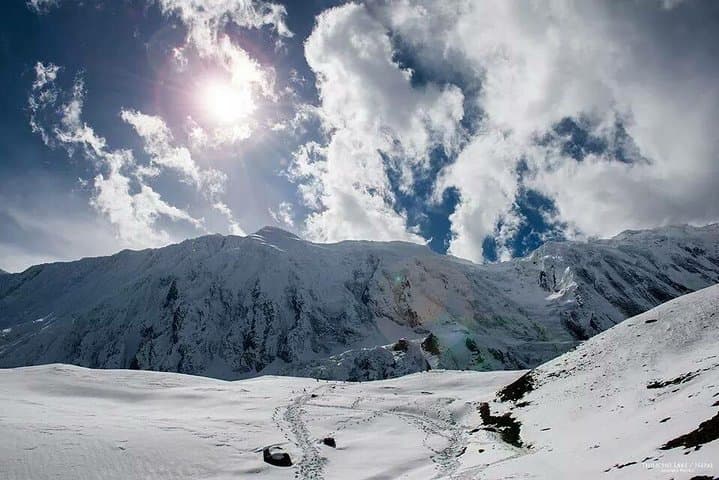
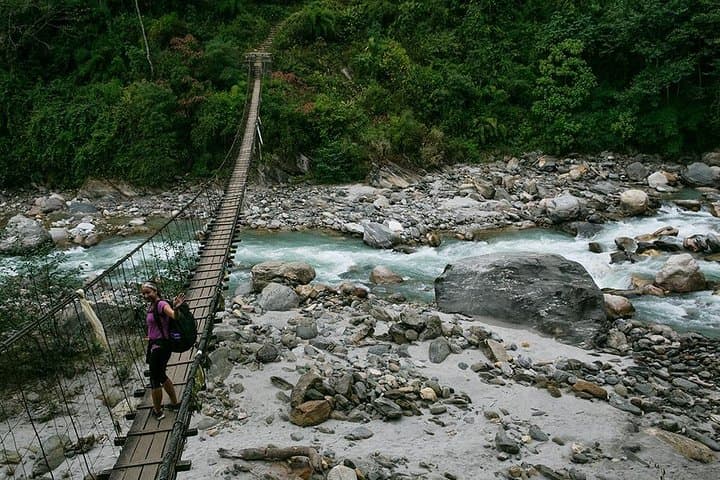
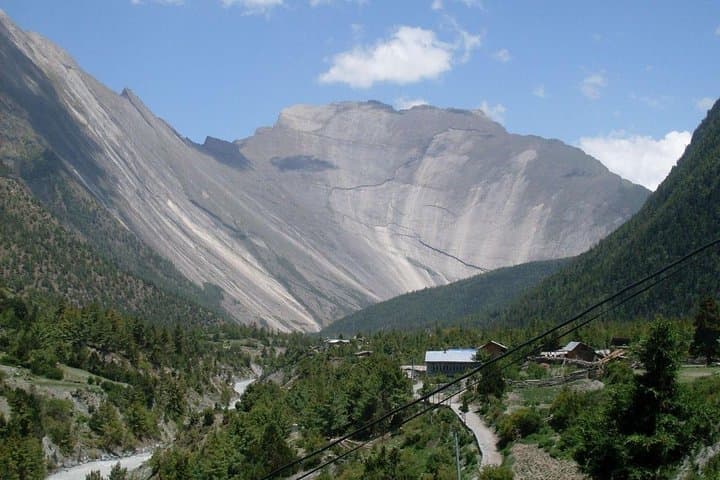
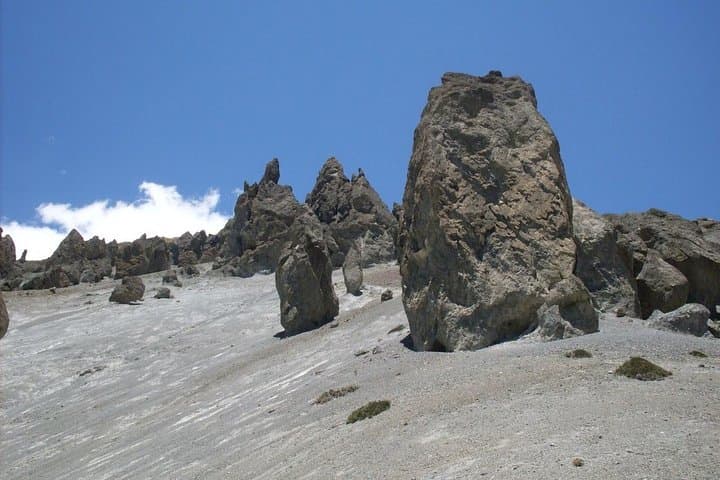
The trail opens with the steady rattle of a local bus and a slow drift of mountain air — the kind that clears a head and sharpens every step. From Bulbule’s terraced fields the route climbs through pine-scented forests, glances off the Marshyangdi River that dares you to keep pace, and pushes higher into the stark, wind-swept bowl above Manang where the Annapurnas stand like a line of watchful peaks.
The trail opens with the steady rattle of a local bus and a slow drift of mountain air — the kind that clears a head and sharpens every step. From Bulbule’s terraced fields the route climbs through pine-scented forests, glances off the Marshyangdi River that dares you to keep pace, and pushes higher into the stark, wind-swept bowl above Manang where the Annapurnas stand like a line of watchful peaks.
This 20‑day itinerary links classic Annapurna Circuit villages with the remote, high‑altitude blue of Tilicho Lake. Geologically the route traces uplifted Himalayan schists and glacial moraines; Tilicho itself occupies a cirque carved by ancient ice. Culturally the trail is a corridor of ethnic diversity — Gurung, Thakali and Tibetan‑influenced communities, plus the pilgrimage town of Muktinath where Hindu and Buddhist sites meet.
Expect long days of steep switchbacks, several days for acclimatization in Manang, and a high pass — Thorong La at 5,416 m — that tests breathing and nerves. Tea houses provide basic shelter and local food; water treatment is required above 3,000 m. Wildlife is sparse but visible: mountain birds wheel overhead and bharal (blue sheep) frequent rocky slopes.
Practical guidance: pace conservatively, hydrate frequently, and prioritize sleep and acclimatization days. Start early on pass day to avoid afternoon winds and aim for a lightweight pack — afternoons can be warm at lower elevations and brutally cold above 4,000 m. With proper conditioning and respect for altitude, this trek delivers a mix of alpine drama, cultural encounters, and the rare reward of Tilicho’s high‑altitude lake.