THE ADVENTURE COLLECTIVE® · Independent discovery and booking for outdoor travel

Traverse valley farmland, high alpine plateaus, and Thorong La’s rocky skyline on the Annapurna Circuit. This guide outlines what to expect—culture, terrain, logistics, and the gear to bring for a 10–14 day high-altitude trek.
Traverse valley farmland, high alpine plateaus, and Thorong La’s rocky skyline on the Annapurna Circuit. This guide outlines what to expect—culture, terrain, logistics, and the gear to bring for a 10–14 day high-altitude trek.
Dawn pours cool light across ragged ridgelines as tea-house smoke curls from stone roofs — the Annapurna Circuit begins to reveal itself in pieces: terraced fields, prayer flags snapping, and the distant ice of high passes.
Verified experiences and guided adventures in the surrounding area.
Operated by Nature Explore Trekking Pvt Ltd · Manang, Gandaki Province
Dawn pours cool light across ragged ridgelines as tea-house smoke curls from stone roofs — the Annapurna Circuit begins to reveal itself in pieces: terraced fields, prayer flags snapping, and the distant ice of high passes.
This classic trek traces trade routes and pilgrimage paths around the Annapurna massif. Geologically, the route climbs from subtropical river valleys into rain-shadowed, glacial-carved basins; you move from layered sedimentary cliffs to high moraine and alpine scree as you approach Thorong La (≈5,416 m).
Culturally, the circuit moves through Gurung and Thakali communities where Tibetan-influenced monasteries and gompas sit beside apple orchards and barley fields. Historic mule tracks and old salt-trade stops are still visible in villages like Manang and Marpha.
Expect long days on uneven, rocky trails and regular altitude shifts; the scenery is active — rivers daring you across suspension bridges and wind pushing prayer flags into motion. Key highlights include the acclimatization options in Manang, the stark amphitheatre around Yak Kharka, and the panoramic view from Thorong La before descending to Muktinath’s temples.
Practical guidance: plan 10–14 days minimum, build acclimatization days, and pack for rapid temperature swings — daytime warmth in the low valleys, sub-zero winds on the pass. Footwear with stiff soles and trekking poles make exposed descents easier. Hydrate deliberately; treat water or rely on provided treated supplies. Book permits (Annapurna Conservation Area Permit and TIMS) in advance and reserve teahouse rooms for high season (spring/fall). Start early each day to avoid afternoon winds and give yourself flexibility for weather or pace-related delays.
challenging.
10–14 days.
Good aerobic fitness with experience on multi-day hikes and the ability to handle several hours of uphill walking per day while carrying a daypack.
You need an Annapurna Conservation Area Permit (ACAP) and a TIMS card; your operator usually arranges these before the trek.
Thorong La is about 5,416 m; no technical climbing gear is required for the normal route, but cold-weather clothing and crampons can be necessary in winter or heavy snow.
Spring (March–May) and fall (September–November) offer the most stable weather, clear views, and comfortable temperatures.
Altitude illness is a real risk; recognize symptoms early, ascend slowly, include acclimatization days, and be prepared to descend if symptoms worsen.
The circuit follows ancient trans-Himalayan trade routes used by salt traders and pilgrims linking Tibet with Nepal; many villages retain traditional Thakali and Gurung customs.
The Annapurna Conservation Area uses permits and local fees to support trail maintenance and community conservation; stay on marked trails and avoid single-use plastics to reduce impact.
Nature Explore Trekking Pvt Ltd operates guided outdoor trips and adventures with an emphasis on safety, stewardship, and memorable experiences.
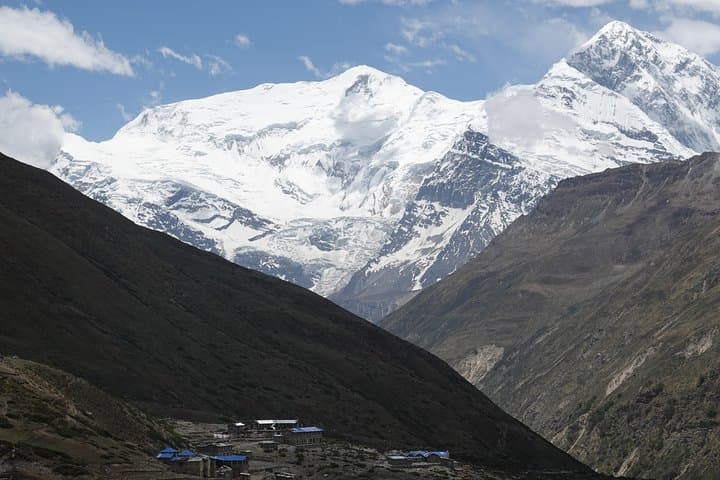
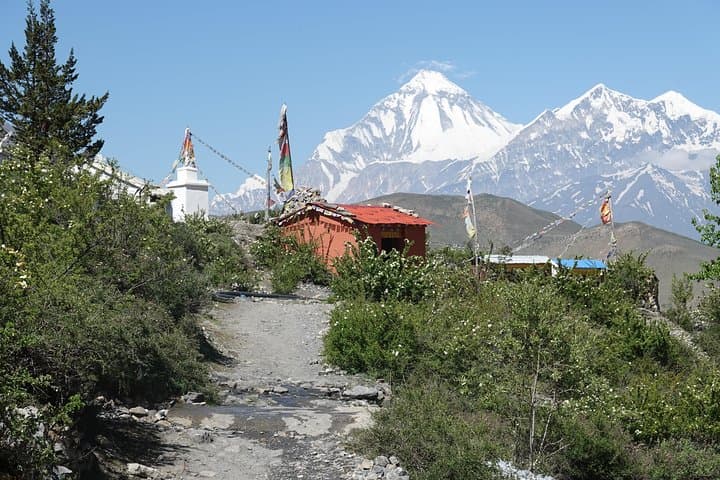
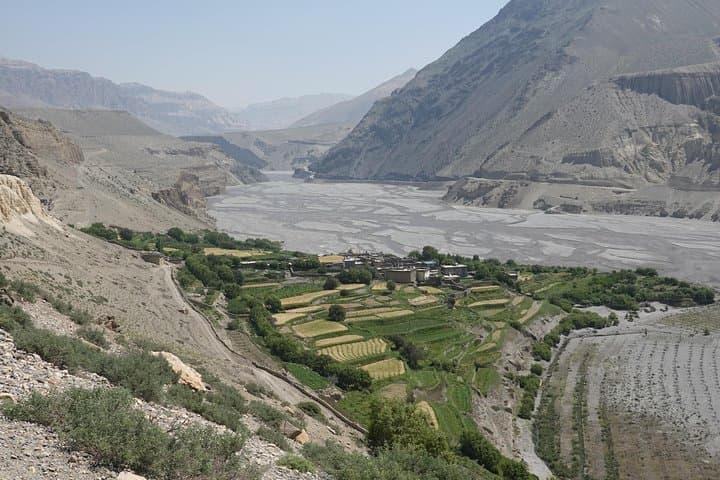
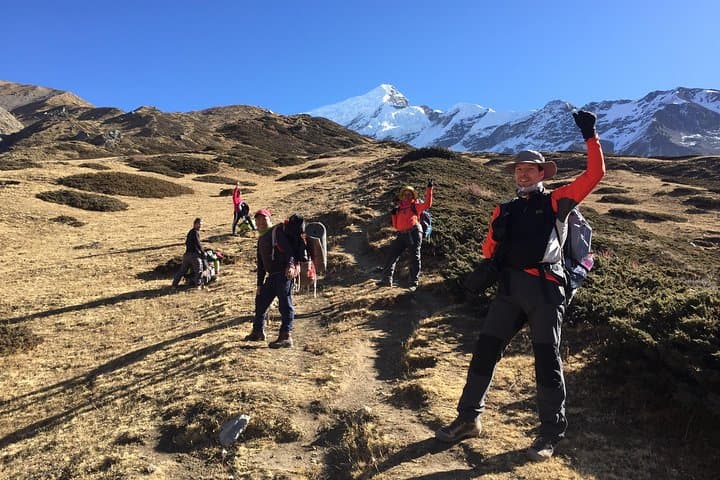
Dawn pours cool light across ragged ridgelines as tea-house smoke curls from stone roofs — the Annapurna Circuit begins to reveal itself in pieces: terraced fields, prayer flags snapping, and the distant ice of high passes.
Dawn pours cool light across ragged ridgelines as tea-house smoke curls from stone roofs — the Annapurna Circuit begins to reveal itself in pieces: terraced fields, prayer flags snapping, and the distant ice of high passes.
This classic trek traces trade routes and pilgrimage paths around the Annapurna massif. Geologically, the route climbs from subtropical river valleys into rain-shadowed, glacial-carved basins; you move from layered sedimentary cliffs to high moraine and alpine scree as you approach Thorong La (≈5,416 m).
Culturally, the circuit moves through Gurung and Thakali communities where Tibetan-influenced monasteries and gompas sit beside apple orchards and barley fields. Historic mule tracks and old salt-trade stops are still visible in villages like Manang and Marpha.
Expect long days on uneven, rocky trails and regular altitude shifts; the scenery is active — rivers daring you across suspension bridges and wind pushing prayer flags into motion. Key highlights include the acclimatization options in Manang, the stark amphitheatre around Yak Kharka, and the panoramic view from Thorong La before descending to Muktinath’s temples.
Practical guidance: plan 10–14 days minimum, build acclimatization days, and pack for rapid temperature swings — daytime warmth in the low valleys, sub-zero winds on the pass. Footwear with stiff soles and trekking poles make exposed descents easier. Hydrate deliberately; treat water or rely on provided treated supplies. Book permits (Annapurna Conservation Area Permit and TIMS) in advance and reserve teahouse rooms for high season (spring/fall). Start early each day to avoid afternoon winds and give yourself flexibility for weather or pace-related delays.