THE ADVENTURE COLLECTIVE® · Independent discovery and booking for outdoor travel

The Annapurna Circuit is a high-altitude loop that crosses Thorong La (5,416 m), traversing diverse valleys, monasteries, and alpine meadows. This 12–14 day trek blends cultural villages and stark mountain scenery—best tackled with proper acclimatization and practical planning.
The Annapurna Circuit is a high-altitude loop that crosses Thorong La (5,416 m), traversing diverse valleys, monasteries, and alpine meadows. This 12–14 day trek blends cultural villages and stark mountain scenery—best tackled with proper acclimatization and practical planning.
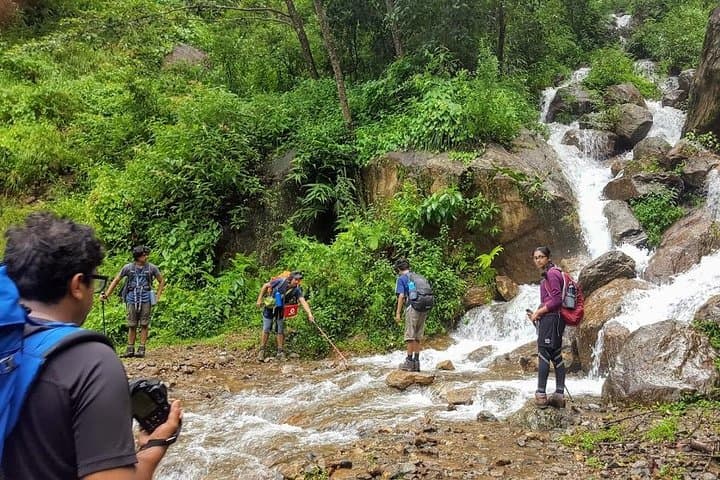
Early light slices across terraced fields as a dusty bus climbs away from Kathmandu and the mountains quietly grow larger—first silhouettes, then snow-bright teeth. On the Annapurna Circuit, every day rearranges the world: subtropical villages give way to pine gullies, then stony highlands where prayer flags stitch wind to ridge.
Verified experiences and guided adventures in the surrounding area.
Operated by Glorious Himalaya Trekking Pvt. Ltd. · Manang, Gandaki Province
Early light slices across terraced fields as a dusty bus climbs away from Kathmandu and the mountains quietly grow larger—first silhouettes, then snow-bright teeth. On the Annapurna Circuit, every day rearranges the world: subtropical villages give way to pine gullies, then stony highlands where prayer flags stitch wind to ridge.
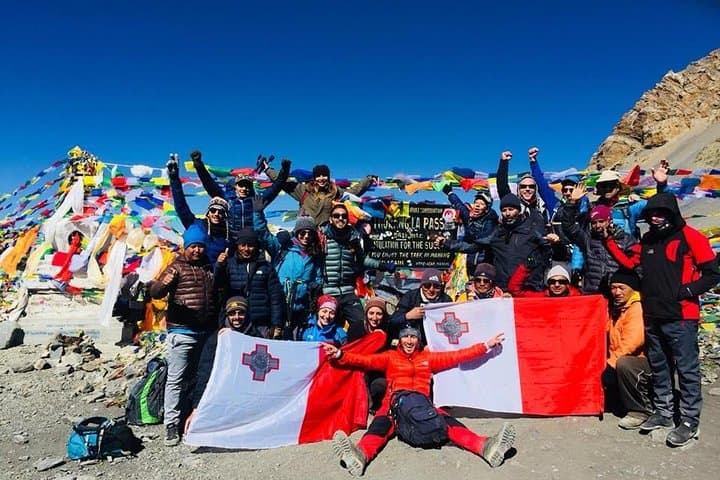
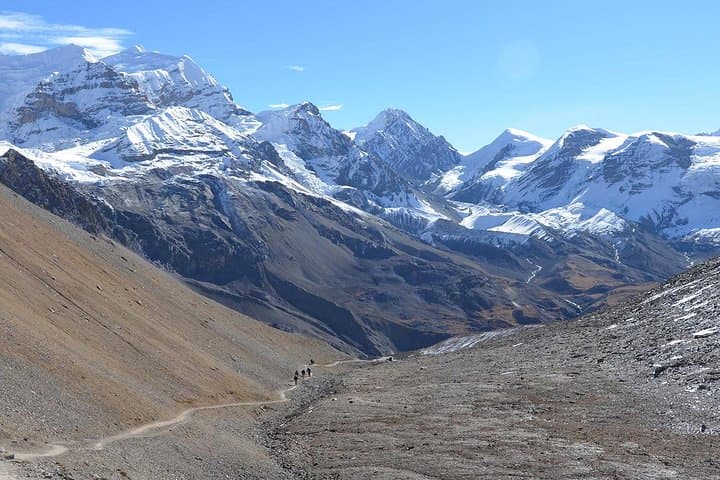
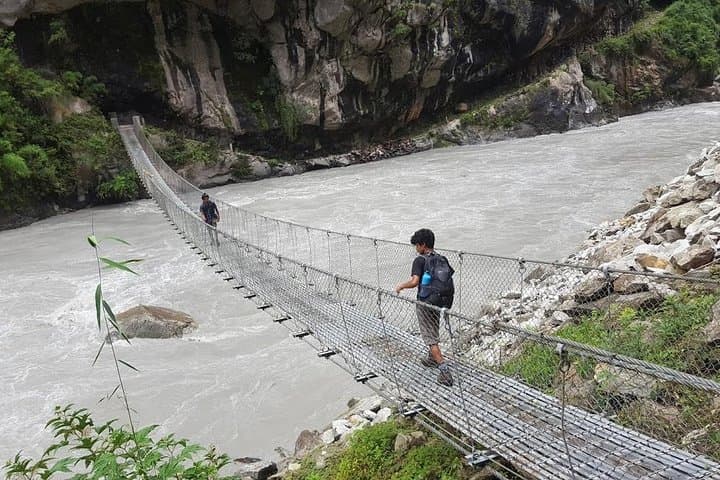
This classic loop traces old trade routes around the Annapurna massif and crosses Thorong La (5,416 m), one of the world’s higher trekking passes. Geologically the route follows uplifted Himalayan beds, carved by the Marsyangdi and Kali Gandaki rivers into steep gorges and scree slopes; culturally it threads Gurung and Tibetan-influenced villages, monasteries, and mani walls where locals still count months by yak seasons.
Expect narrow valley trails, long ascents to high camps like Yak Kharka and Thorong Phedi, and a decisive, exposed pass day that tests stamina and altitude discipline. Tea houses and lodges provide simple rooms and local Dal Bhat—comfort after long mileage—but water and hot showers can be intermittent above 3,500 m.
Practical edge: plan 12–14 days, build at least one acclimatization day in Manang, and watch weather windows—clear mornings give the best summit views; afternoon winds and snow can close the pass. Bring layers for −10°C nights at altitude, break long days into steady pacing, and carry a map, permits (TIMS and ACAP), basic first-aid, and contingency funds for flights from Pokhara. The Circuit is equal parts landscape and logistics: respect both and the trail rewards with vast Himalayan panoramas and a firmly earned sense of altitude achievement.
challenging.
12–14 days.
Good aerobic fitness and multi-day endurance are required; ability to hike 5–8 hours daily with heavy breathing at altitude.
Yes—foreign trekkers require a TIMS card and Annapurna Conservation Area Permit (ACAP); guides typically handle paperwork before departure.
Late September–November and March–May offer the most stable weather and best views; winter is colder and monsoon brings heavy rain.
Thorong La sits at 5,416 m; the crossing is strenuous but non-technical in summer/fall—snow or ice may require crampons in winter.
Yes—porters and mule/jeep support are commonly available; accommodation on the Circuit is primarily tea houses/lodges with basic services.
The Circuit follows historic mule-trade routes linking Tibetan and Nepali valleys; many villages still show Tibetan cultural influence and gompas.
The route lies within the Annapurna Conservation Area which balances tourism income with habitat protection—stick to trails, pack out waste, and use local lodges to support communities.
Glorious Himalaya Trekking Pvt. Ltd. operates guided outdoor trips and adventures with an emphasis on safety, stewardship, and memorable experiences.
Early light slices across terraced fields as a dusty bus climbs away from Kathmandu and the mountains quietly grow larger—first silhouettes, then snow-bright teeth. On the Annapurna Circuit, every day rearranges the world: subtropical villages give way to pine gullies, then stony highlands where prayer flags stitch wind to ridge.
Early light slices across terraced fields as a dusty bus climbs away from Kathmandu and the mountains quietly grow larger—first silhouettes, then snow-bright teeth. On the Annapurna Circuit, every day rearranges the world: subtropical villages give way to pine gullies, then stony highlands where prayer flags stitch wind to ridge.
This classic loop traces old trade routes around the Annapurna massif and crosses Thorong La (5,416 m), one of the world’s higher trekking passes. Geologically the route follows uplifted Himalayan beds, carved by the Marsyangdi and Kali Gandaki rivers into steep gorges and scree slopes; culturally it threads Gurung and Tibetan-influenced villages, monasteries, and mani walls where locals still count months by yak seasons.
Expect narrow valley trails, long ascents to high camps like Yak Kharka and Thorong Phedi, and a decisive, exposed pass day that tests stamina and altitude discipline. Tea houses and lodges provide simple rooms and local Dal Bhat—comfort after long mileage—but water and hot showers can be intermittent above 3,500 m.
Practical edge: plan 12–14 days, build at least one acclimatization day in Manang, and watch weather windows—clear mornings give the best summit views; afternoon winds and snow can close the pass. Bring layers for −10°C nights at altitude, break long days into steady pacing, and carry a map, permits (TIMS and ACAP), basic first-aid, and contingency funds for flights from Pokhara. The Circuit is equal parts landscape and logistics: respect both and the trail rewards with vast Himalayan panoramas and a firmly earned sense of altitude achievement.