THE ADVENTURE COLLECTIVE® · Independent discovery and booking for outdoor travel

Trace river gorges and climb to Thorong La on the classic Annapurna Circuit Trek. This 18-day loop moves from lush valleys to windy high passes—expect long days, tea-house stays, and dramatic mountain panoramas.
Trace river gorges and climb to Thorong La on the classic Annapurna Circuit Trek. This 18-day loop moves from lush valleys to windy high passes—expect long days, tea-house stays, and dramatic mountain panoramas.
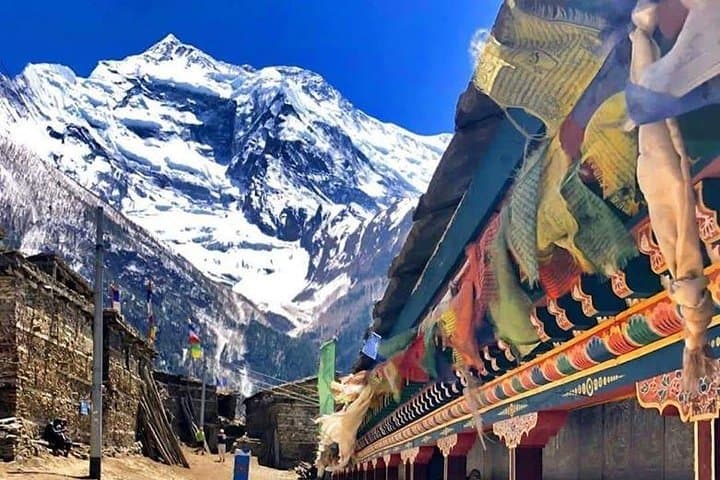
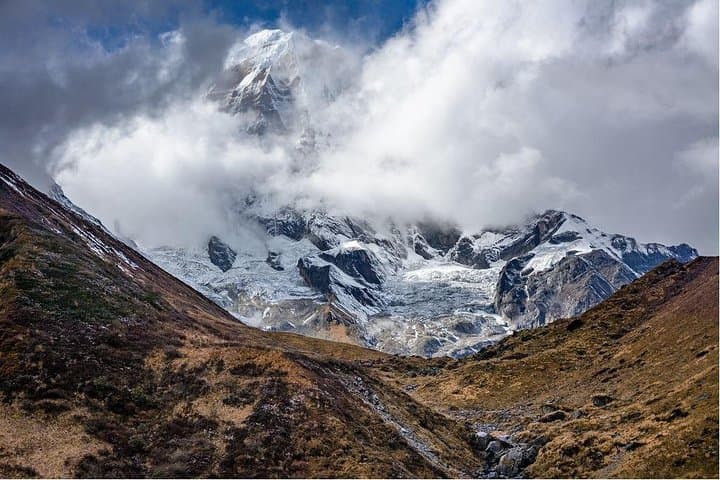
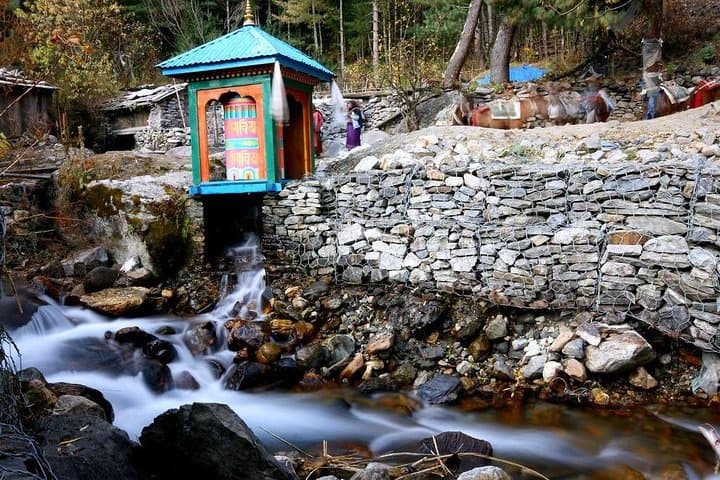
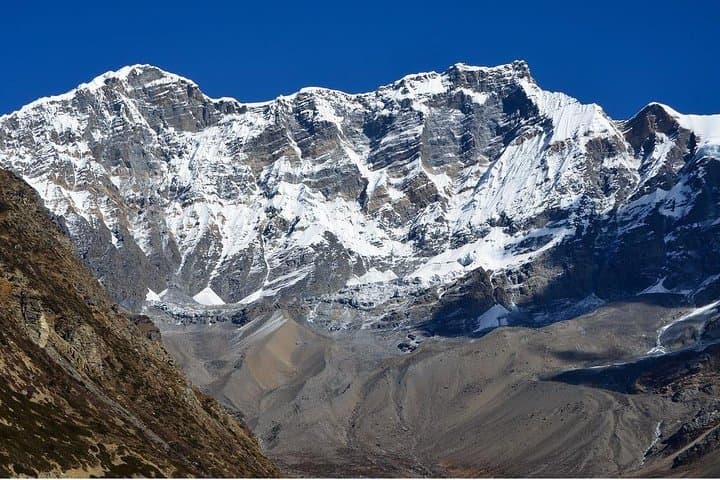
Dawn breaks on a ragged ridge and the first light slices across icy cornices on Annapurna I. You stand on a trail that climbs from subtropical river valleys into a high, wind-swept world where rock and sky compete for scale. The Annapurna Circuit Trek threads villages, mani walls and suspension bridges, moving from terraced rice paddies into juniper scrub and finally to the lunar ridgelines above Thorong La.
Verified experiences and guided adventures in the surrounding area.
Operated by Trekking Organizer Company in Nepal · Manang, Gandaki Province
Dawn breaks on a ragged ridge and the first light slices across icy cornices on Annapurna I. You stand on a trail that climbs from subtropical river valleys into a high, wind-swept world where rock and sky compete for scale. The Annapurna Circuit Trek threads villages, mani walls and suspension bridges, moving from terraced rice paddies into juniper scrub and finally to the lunar ridgelines above Thorong La.
Geologically the route follows the rain shadow of the central Himalaya; deep river gorges like the Kali Gandaki carve through uplifted limestone while glaciated flanks rise into the 7,000–8,000m range. Culturally the circuit is a corridor of Gurung and Thakali communities, Buddhist gompas and Hindu shrines—Muktinath remains a shared pilgrimage site. Tea-house hospitality and high-altitude yak pastures define the human landscape.
Expect long daily marches (4–8 hours typical), steady elevation gain and at least one very high pass—Thorong La at ~5,416m—where thin air changes your pace and perception. Trails vary from smooth village paths to rocky switchbacks and carved cliff ledges; snow and ice can linger on the pass outside summer months. Wildlife is subtle: Himalayan griffon and blue sheep are the most likely sightings.
Practical guidance: build aerobic endurance and do at least one multi-day hike beforehand; prioritize gradual acclimatization days in Manang or Yak Kharka; pack layered insulation, a reliable sleeping bag rated to -10°C, and a small first-aid kit with altitude meds. Start early on high-pass day to avoid afternoon winds; hydrate, eat frequently and monitor for AMS. The route is remote in stretches—carry cash, photocopies of permits (ACAP/TIMS are required), and expect simple lodgings. With preparation, the Circuit is a demanding but profoundly rewarding Himalayan odyssey.
difficult.
18 days.
Good-to-excellent cardiovascular fitness and experience with consecutive day hikes; ability to carry a 8–12 kg daypack.
You need an ACAP (Annapurna Conservation Area Project) permit and a TIMS (Trekkers' Information Management System) card, typically arranged before or on arrival in Nepal.
Thorong La (~5,416m) is a long, high-altitude pass rather than technical climbing; the difficulty comes from elevation and weather—start early and descend slowly for safety.
Autumn (Sep–Nov) and spring (Mar–May) offer the most stable weather and clear mountain views; monsoon brings rain and winter can have heavy snow at high passes.
Yes—most nights are spent in basic tea houses with shared bathrooms, hot meals and dorm-style rooms, though amenities vary by remoteness.
The circuit follows ancient trade routes between Nepal and Tibet; villages along the Kali Gandaki grew as mule and salt-trade stops before modern roads.
Much of the route lies within Annapurna Conservation Area—stay on trails, pack out waste where possible, and use registered guide services to support local stewardship.
Trekking Organizer Company in Nepal operates guided outdoor trips and adventures with an emphasis on safety, stewardship, and memorable experiences.
Dawn breaks on a ragged ridge and the first light slices across icy cornices on Annapurna I. You stand on a trail that climbs from subtropical river valleys into a high, wind-swept world where rock and sky compete for scale. The Annapurna Circuit Trek threads villages, mani walls and suspension bridges, moving from terraced rice paddies into juniper scrub and finally to the lunar ridgelines above Thorong La.
Dawn breaks on a ragged ridge and the first light slices across icy cornices on Annapurna I. You stand on a trail that climbs from subtropical river valleys into a high, wind-swept world where rock and sky compete for scale. The Annapurna Circuit Trek threads villages, mani walls and suspension bridges, moving from terraced rice paddies into juniper scrub and finally to the lunar ridgelines above Thorong La.
Geologically the route follows the rain shadow of the central Himalaya; deep river gorges like the Kali Gandaki carve through uplifted limestone while glaciated flanks rise into the 7,000–8,000m range. Culturally the circuit is a corridor of Gurung and Thakali communities, Buddhist gompas and Hindu shrines—Muktinath remains a shared pilgrimage site. Tea-house hospitality and high-altitude yak pastures define the human landscape.
Expect long daily marches (4–8 hours typical), steady elevation gain and at least one very high pass—Thorong La at ~5,416m—where thin air changes your pace and perception. Trails vary from smooth village paths to rocky switchbacks and carved cliff ledges; snow and ice can linger on the pass outside summer months. Wildlife is subtle: Himalayan griffon and blue sheep are the most likely sightings.
Practical guidance: build aerobic endurance and do at least one multi-day hike beforehand; prioritize gradual acclimatization days in Manang or Yak Kharka; pack layered insulation, a reliable sleeping bag rated to -10°C, and a small first-aid kit with altitude meds. Start early on high-pass day to avoid afternoon winds; hydrate, eat frequently and monitor for AMS. The route is remote in stretches—carry cash, photocopies of permits (ACAP/TIMS are required), and expect simple lodgings. With preparation, the Circuit is a demanding but profoundly rewarding Himalayan odyssey.