THE ADVENTURE COLLECTIVE® · Independent discovery and booking for outdoor travel

A full-circuit Himalayan trek that climbs from subtropical valleys to Thorong La Pass (5,416 m), the Annapurna Circuit delivers dramatic geology, diverse cultures and long days of high‑altitude walking. Read on for what to expect, how to prepare and key practical tips.
A full-circuit Himalayan trek that climbs from subtropical valleys to Thorong La Pass (5,416 m), the Annapurna Circuit delivers dramatic geology, diverse cultures and long days of high‑altitude walking. Read on for what to expect, how to prepare and key practical tips.
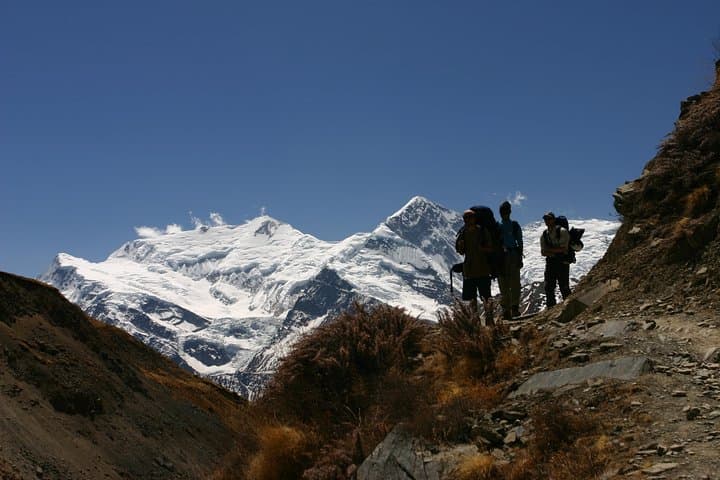
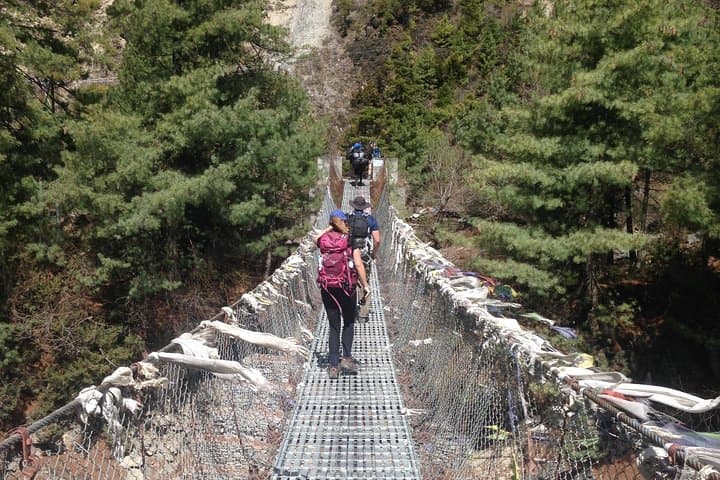
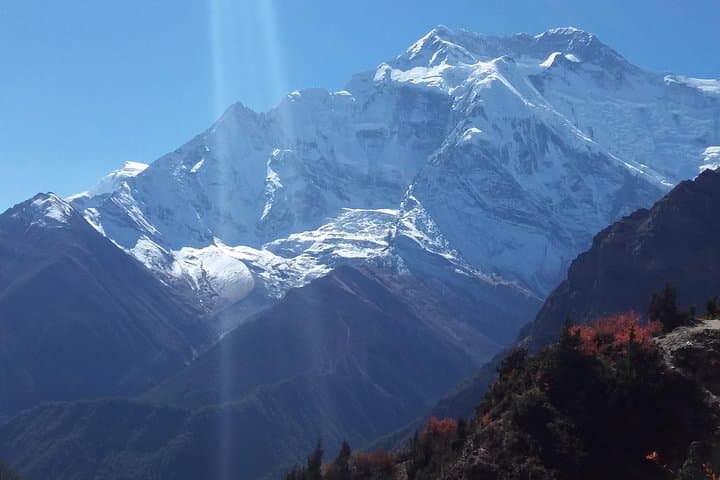
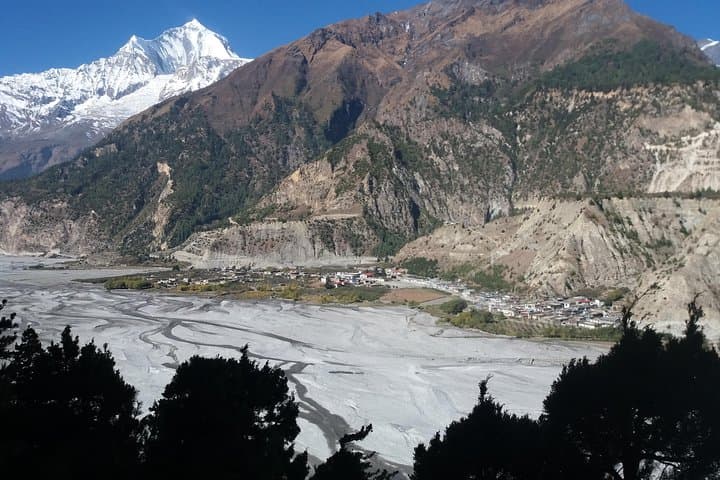
The trail opens like a map under your boots: subtropical valley, terraced rice paddies, then thin alpine air and prayer flags snapping at 5,416 m. On this 22-day loop you start below 1,000 m and climb steadily through forests, river gorges and high pastures, cresting Thorong La at dawn and descending into the dry, Tibetan‑style landscapes of the Kali Gandaki.
Verified experiences and guided adventures in the surrounding area.
Operated by Ace the Himalaya · Pokhara, Gandaki Province
The trail opens like a map under your boots: subtropical valley, terraced rice paddies, then thin alpine air and prayer flags snapping at 5,416 m. On this 22-day loop you start below 1,000 m and climb steadily through forests, river gorges and high pastures, cresting Thorong La at dawn and descending into the dry, Tibetan‑style landscapes of the Kali Gandaki.
This route was opened to foreign trekkers in 1977 and quickly became a classic because it compresses wide geological change: young folded Himalaya ridges, deep fluvial incision making the world’s deepest gorge, then the arid rain shadow of Mustang. Culturally, the circuit threads Gurung, Magar and Tibetan Buddhist villages—monasteries and mani walls punctuate the trail, and guesthouses offer local dal bhat and yak butter tea.
Expect steady days of 4–8 hours of walking, frequent altitude steps and a few long ascents (yak kharka to Thorong Phedi; Thorong La itself is a 1,000+ m high‑gain morning). Terrain varies from rocky trails and stone staircases to scree and packed snow late season. The mountains don’t just stand by; wind and weather will test your schedule and force early starts.
Practical: carry layered insulation, a rain shell, and a reliable sleeping bag; allow acclimatization days in Manang; pack electrolyte tablets and a headlamp. Permits (ACAP and TIMS) are mandatory. Book guesthouses in high season and plan buffer days—altitude and weather are the real variables of this Himalayan crossing.
challenging.
22 days.
Good aerobic fitness with prior multi-day trekking experience recommended; ability to hike 4–8 hours daily at altitude.
Yes—ACAP and TIMS permits are required and typically arranged before or at the start of the trek; guides often handle this for groups.
Thorong La is non-technical but steep and high (5,416 m); weather and snow are the main hazards—start pre-dawn and allow time to descend safely.
Yes—this itinerary uses teahouses/guesthouses along the route, but facilities vary with altitude; bring a warm sleeping bag and expect basic amenities above 3,500 m.
Stop ascent immediately, rest, hydrate, and descend if symptoms worsen; acetazolamide can help but consult a physician before travel.
The route opened to foreign trekkers in 1977 and bridges lowland Nepali cultures with Tibetan‑influenced villages in Mustang, reflecting centuries of trade and pilgrimage.
The trek runs through the Annapurna Conservation Area (ACAP); stick to trails, use teahouses rather than camping to limit impact, and pack out waste when possible.
Ace the Himalaya operates guided outdoor trips and adventures with an emphasis on safety, stewardship, and memorable experiences.
The trail opens like a map under your boots: subtropical valley, terraced rice paddies, then thin alpine air and prayer flags snapping at 5,416 m. On this 22-day loop you start below 1,000 m and climb steadily through forests, river gorges and high pastures, cresting Thorong La at dawn and descending into the dry, Tibetan‑style landscapes of the Kali Gandaki.
The trail opens like a map under your boots: subtropical valley, terraced rice paddies, then thin alpine air and prayer flags snapping at 5,416 m. On this 22-day loop you start below 1,000 m and climb steadily through forests, river gorges and high pastures, cresting Thorong La at dawn and descending into the dry, Tibetan‑style landscapes of the Kali Gandaki.
This route was opened to foreign trekkers in 1977 and quickly became a classic because it compresses wide geological change: young folded Himalaya ridges, deep fluvial incision making the world’s deepest gorge, then the arid rain shadow of Mustang. Culturally, the circuit threads Gurung, Magar and Tibetan Buddhist villages—monasteries and mani walls punctuate the trail, and guesthouses offer local dal bhat and yak butter tea.
Expect steady days of 4–8 hours of walking, frequent altitude steps and a few long ascents (yak kharka to Thorong Phedi; Thorong La itself is a 1,000+ m high‑gain morning). Terrain varies from rocky trails and stone staircases to scree and packed snow late season. The mountains don’t just stand by; wind and weather will test your schedule and force early starts.
Practical: carry layered insulation, a rain shell, and a reliable sleeping bag; allow acclimatization days in Manang; pack electrolyte tablets and a headlamp. Permits (ACAP and TIMS) are mandatory. Book guesthouses in high season and plan buffer days—altitude and weather are the real variables of this Himalayan crossing.