THE ADVENTURE COLLECTIVE® · Independent discovery and booking for outdoor travel

Walk a full circle around the Annapurna massif on a 12-day trek that climbs to Thorong La and crosses ecosystems from subtropical valleys to high alpine desert. Expect long walking days, remote tea-house nights, and sweeping Himalayan views.
Walk a full circle around the Annapurna massif on a 12-day trek that climbs to Thorong La and crosses ecosystems from subtropical valleys to high alpine desert. Expect long walking days, remote tea-house nights, and sweeping Himalayan views.
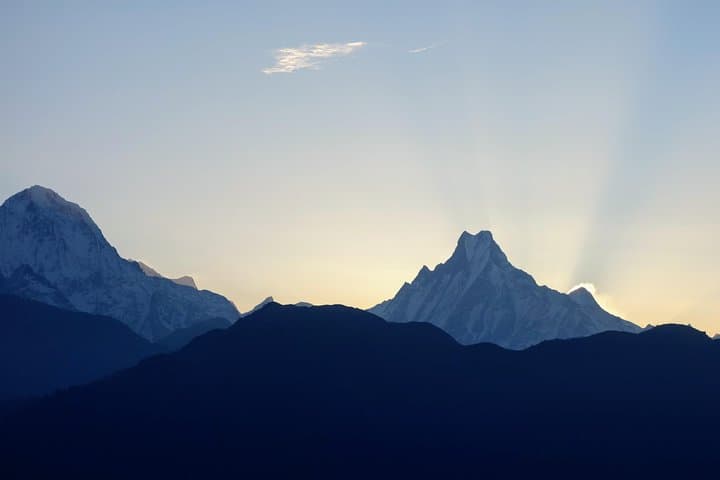
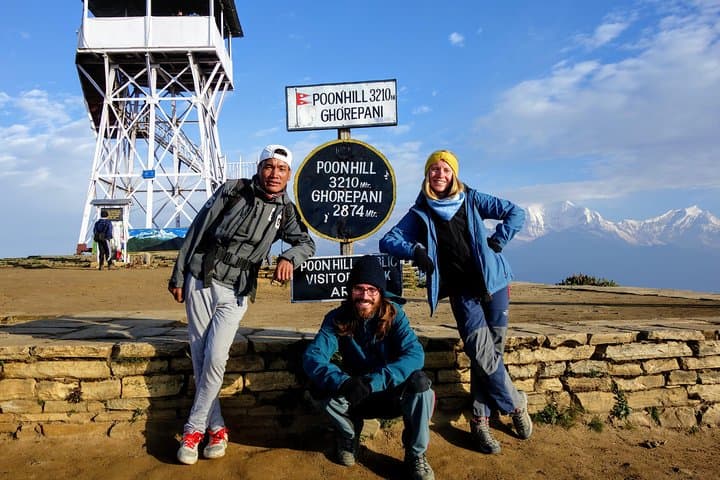
A thin morning light slips down the valley as porters and trekkers shoulder packs and set a steady rhythm toward the high passes. On the Annapurna Circuit you move fast through climatic bands—humid rice terraces give way to rhododendron-clad slopes and then to the stubbled silence of blue-pine ridgelines—each day changing the rules of weather and breathing.
Verified experiences and guided adventures in the surrounding area.
Operated by Trek Around Himalayas Pvt. Ltd. · Manang, Gandaki Province
A thin morning light slips down the valley as porters and trekkers shoulder packs and set a steady rhythm toward the high passes. On the Annapurna Circuit you move fast through climatic bands—humid rice terraces give way to rhododendron-clad slopes and then to the stubbled silence of blue-pine ridgelines—each day changing the rules of weather and breathing.
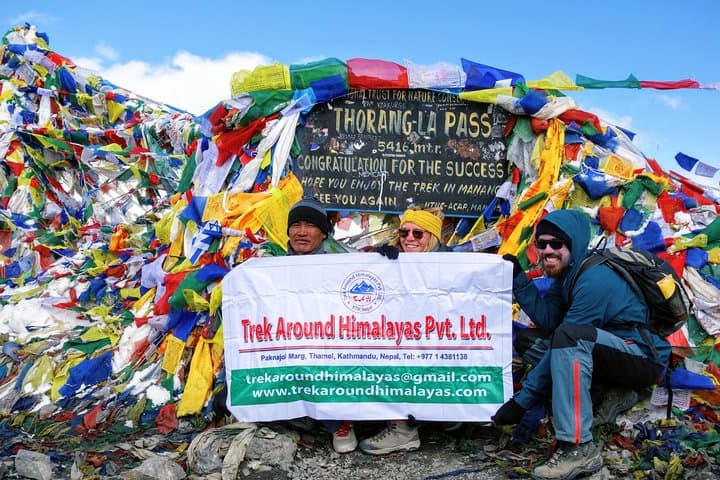
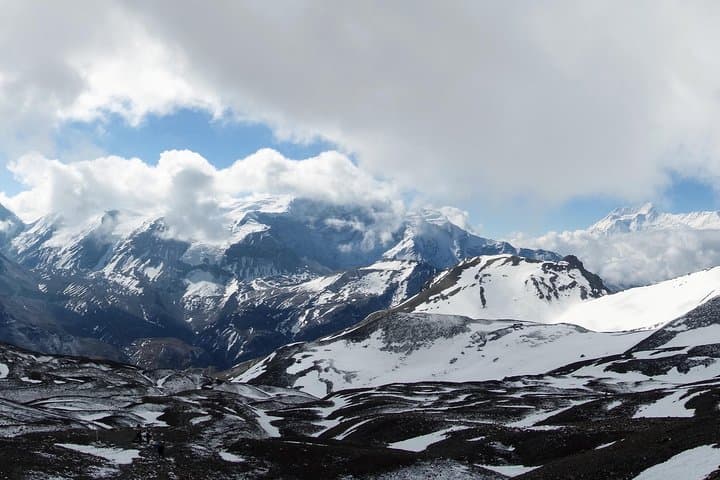
The route circles the Annapurna massif and crosses Thorong La (around 5,416 m), skirting the world’s deepest Kali Gandaki gorge and passing high-desert villages like Manang and Muktinath. Geologically the region records the collision of the Indian and Eurasian plates: you’ll see steep folded strata, glacial moraines and high-altitude lakes such as Tilicho, claims to be among the highest in the world. Culturally the circuit threads Gurung and Thakali villages, Buddhist gompas and hilltop mani stones; teahouses offer hot dal bhat and local conversation.
Practically, expect long walking days—5–8 hours on steep, rocky trails, sustained altitude gain, and basic lodgings in tea houses. Weather swings are rapid; afternoon snow or wind at pass elevations is common even in spring. Hydration, slow ascent, and attention to acclimatization are essential. A government-licensed guide and ACAP permits are standard; local drivers connect you from Pokhara to trailheads.
This is trekking that rewards planning: pack layers, respect the pace, and leave space for the quiet moments when the mountains feel like they are testing your resolve as much as welcoming it.
challenging.
12 days.
Requires good cardiovascular fitness and endurance for consecutive 5–8 hour walking days at altitude
While experienced trekkers can navigate independently, most groups hire a government-licensed guide for logistics, permits, and high-altitude decision-making—recommended for safety.
Spring (March–May) and fall (Sept–Nov) offer the most stable weather and clear mountain views; spring adds rhododendron blooms at lower elevations.
Altitude illness is a real risk—ascending too quickly increases danger; plan acclimatization days, recognize symptoms early, and be prepared to descend if needed.
Tea-house lodgings are basic: shared or private rooms with simple bedding, common dining areas, and no running hot water at higher elevations.
The circuit follows ancient trade and pilgrimage routes between the Kali Gandaki and Mustang regions; many villages kept strong Tibetan cultural links and religious sites.
Annapurna Conservation Area Project (ACAP) manages permits and conservation efforts—travelers should stick to trails, avoid single-use plastics, and use registered guides to support local stewardship.
Trek Around Himalayas Pvt. Ltd. operates guided outdoor trips and adventures with an emphasis on safety, stewardship, and memorable experiences.
A thin morning light slips down the valley as porters and trekkers shoulder packs and set a steady rhythm toward the high passes. On the Annapurna Circuit you move fast through climatic bands—humid rice terraces give way to rhododendron-clad slopes and then to the stubbled silence of blue-pine ridgelines—each day changing the rules of weather and breathing.
A thin morning light slips down the valley as porters and trekkers shoulder packs and set a steady rhythm toward the high passes. On the Annapurna Circuit you move fast through climatic bands—humid rice terraces give way to rhododendron-clad slopes and then to the stubbled silence of blue-pine ridgelines—each day changing the rules of weather and breathing.
The route circles the Annapurna massif and crosses Thorong La (around 5,416 m), skirting the world’s deepest Kali Gandaki gorge and passing high-desert villages like Manang and Muktinath. Geologically the region records the collision of the Indian and Eurasian plates: you’ll see steep folded strata, glacial moraines and high-altitude lakes such as Tilicho, claims to be among the highest in the world. Culturally the circuit threads Gurung and Thakali villages, Buddhist gompas and hilltop mani stones; teahouses offer hot dal bhat and local conversation.
Practically, expect long walking days—5–8 hours on steep, rocky trails, sustained altitude gain, and basic lodgings in tea houses. Weather swings are rapid; afternoon snow or wind at pass elevations is common even in spring. Hydration, slow ascent, and attention to acclimatization are essential. A government-licensed guide and ACAP permits are standard; local drivers connect you from Pokhara to trailheads.
This is trekking that rewards planning: pack layers, respect the pace, and leave space for the quiet moments when the mountains feel like they are testing your resolve as much as welcoming it.