THE ADVENTURE COLLECTIVE® · Independent discovery and booking for outdoor travel

This 14-day Annapurna Circuit trek with a detour to Tilicho Lake pushes into high-altitude terrain, Tibetan-influenced villages and one of the world's highest lakes. Prepare for long days, rocky passes and essential acclimatization while enjoying panoramic Himalayan views.
This 14-day Annapurna Circuit trek with a detour to Tilicho Lake pushes into high-altitude terrain, Tibetan-influenced villages and one of the world's highest lakes. Prepare for long days, rocky passes and essential acclimatization while enjoying panoramic Himalayan views.
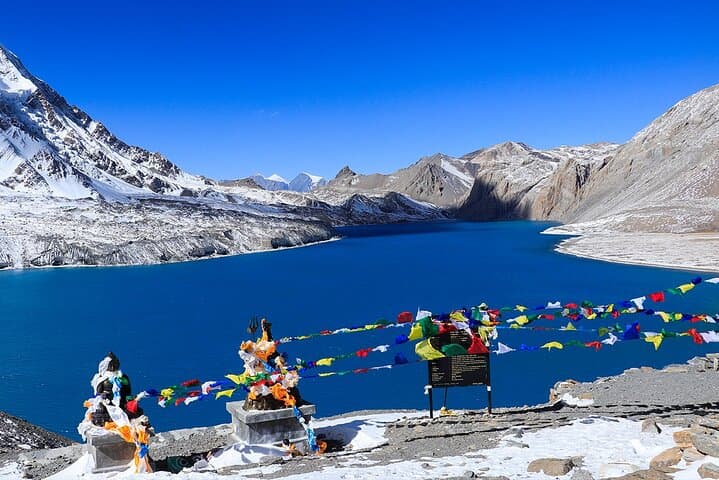
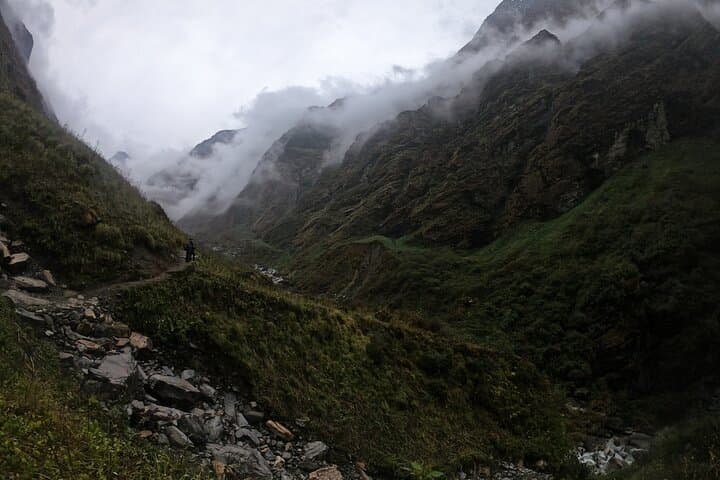
A cold wind carries the smell of yak dung and pine as trekkers step off the jeep at Besi Sahar and into a world where the trail climbs from terraced rice fields into stark, wind-swept alpine plateaus. Over two weeks the route rises and falls through rhododendron forests, apple orchards and stone villages, finally delivering the hollow, turquoise calm of Tilicho Lake below a ring of glaciers.
Verified experiences and guided adventures in the surrounding area.
Operated by Peak to Peak Tours and Treks Pvt Ltd · Manang, Gandaki Province
A cold wind carries the smell of yak dung and pine as trekkers step off the jeep at Besi Sahar and into a world where the trail climbs from terraced rice fields into stark, wind-swept alpine plateaus. Over two weeks the route rises and falls through rhododendron forests, apple orchards and stone villages, finally delivering the hollow, turquoise calm of Tilicho Lake below a ring of glaciers.
The Annapurna Circuit traces trade and pilgrimage routes that linked Himalayan valleys for centuries; the geology here is raw—folded sedimentary layers uplifted by the collision of the Indian and Tibetan plates, carved into deep gorges like the Kali Gandaki. Manang and Muktinath reflect a mixed Nepali-Tibetan culture: prayer flags, mani walls and teahouses that still serve simple dal bhat to climbers. Tilicho Lake itself lies above the treeline at roughly 4,900 m and has long been a destination for pilgrims and exploratory parties alike.
Practicalities shape the experience: expect 5–7 hours of trekking most days, rocky and sometimes loose scree near passes, and a strict need for acclimatization—at least one rest day in Manang and conservative daily gain. Carry layers for high winds, a warm sleeping bag rated to -10°C or lower, and a water-treatment method—local tea houses supply hot drinks but water should be filtered or treated. The best windows are spring and autumn for stable weather; winter brings deep cold and summer monsoon can make trails slippery. Guided groups often include permits (ACAP, TIMS) and a licensed guide; fit hikers with prior high-altitude experience will get the most out of the route.
challenging.
14 days.
Good aerobic fitness with prior multi-day hiking experience; be prepared for long days and altitude.
You need an Annapurna Conservation Area Permit (ACAP) and a TIMS card; tour operators usually arrange these before trekking.
Thorong La is a high, exposed pass—challenging due to altitude and weather; proper acclimatization and an early start on pass day are critical.
Yes—teahouses provide basic meals and lodging from Besi Sahar to Jomsom, though services are simpler at higher elevations.
Spring (March–May) and autumn (September–November) offer the most stable weather and clear mountain views; avoid monsoon months if possible.
The circuit follows traditional trans-Himalayan trade and pilgrimage routes and passes through villages influenced by Tibetan Buddhism and long-distance traders.
The Annapurna Conservation Area manages permits and limits to reduce impact; stick to established trails and carry out waste where possible.
Peak to Peak Tours and Treks Pvt Ltd operates guided outdoor trips and adventures with an emphasis on safety, stewardship, and memorable experiences.
A cold wind carries the smell of yak dung and pine as trekkers step off the jeep at Besi Sahar and into a world where the trail climbs from terraced rice fields into stark, wind-swept alpine plateaus. Over two weeks the route rises and falls through rhododendron forests, apple orchards and stone villages, finally delivering the hollow, turquoise calm of Tilicho Lake below a ring of glaciers.
A cold wind carries the smell of yak dung and pine as trekkers step off the jeep at Besi Sahar and into a world where the trail climbs from terraced rice fields into stark, wind-swept alpine plateaus. Over two weeks the route rises and falls through rhododendron forests, apple orchards and stone villages, finally delivering the hollow, turquoise calm of Tilicho Lake below a ring of glaciers.
The Annapurna Circuit traces trade and pilgrimage routes that linked Himalayan valleys for centuries; the geology here is raw—folded sedimentary layers uplifted by the collision of the Indian and Tibetan plates, carved into deep gorges like the Kali Gandaki. Manang and Muktinath reflect a mixed Nepali-Tibetan culture: prayer flags, mani walls and teahouses that still serve simple dal bhat to climbers. Tilicho Lake itself lies above the treeline at roughly 4,900 m and has long been a destination for pilgrims and exploratory parties alike.
Practicalities shape the experience: expect 5–7 hours of trekking most days, rocky and sometimes loose scree near passes, and a strict need for acclimatization—at least one rest day in Manang and conservative daily gain. Carry layers for high winds, a warm sleeping bag rated to -10°C or lower, and a water-treatment method—local tea houses supply hot drinks but water should be filtered or treated. The best windows are spring and autumn for stable weather; winter brings deep cold and summer monsoon can make trails slippery. Guided groups often include permits (ACAP, TIMS) and a licensed guide; fit hikers with prior high-altitude experience will get the most out of the route.