THE ADVENTURE COLLECTIVE® · Independent discovery and booking for outdoor travel

A condensed version of the classic Annapurna Circuit, this 12–14 day short trek moves from subtropical river valleys through alpine villages to high mountain passes. Expect tea-house stays, commanding views of Annapurna II and Thorong La’s high-altitude exposure—plan for acclimatization and changing conditions.
A condensed version of the classic Annapurna Circuit, this 12–14 day short trek moves from subtropical river valleys through alpine villages to high mountain passes. Expect tea-house stays, commanding views of Annapurna II and Thorong La’s high-altitude exposure—plan for acclimatization and changing conditions.
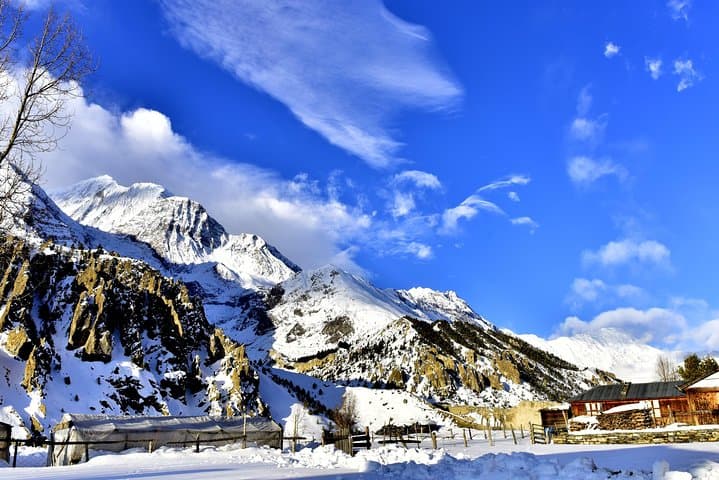
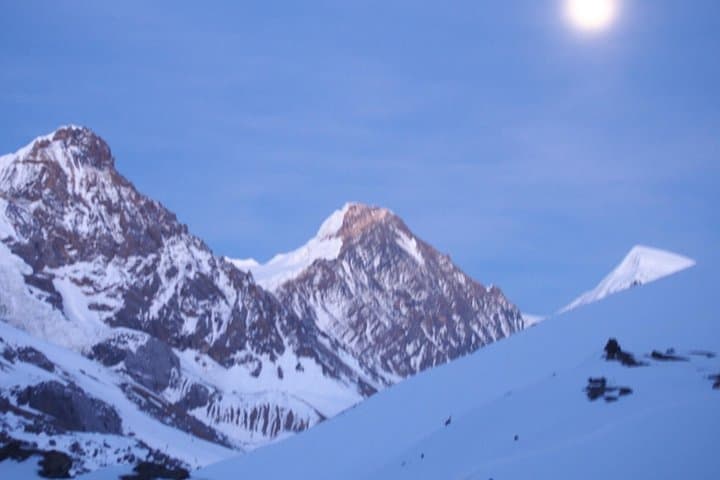
You step off the bus in Besisahar and humidity gives way to thin, cool air as the trail follows the Marshyangdi River. Villages climb the hills like stacked steps, prayer flags flap where stone bridges pitch you across fast water, and the massif of Annapurna II and the razor spine of Machhapuchhre stare down as the trail climbs.
Verified experiences and guided adventures in the surrounding area.
Operated by Adventure Bound · Besisahar, Gandaki Province
You step off the bus in Besisahar and humidity gives way to thin, cool air as the trail follows the Marshyangdi River. Villages climb the hills like stacked steps, prayer flags flap where stone bridges pitch you across fast water, and the massif of Annapurna II and the razor spine of Machhapuchhre stare down as the trail climbs.
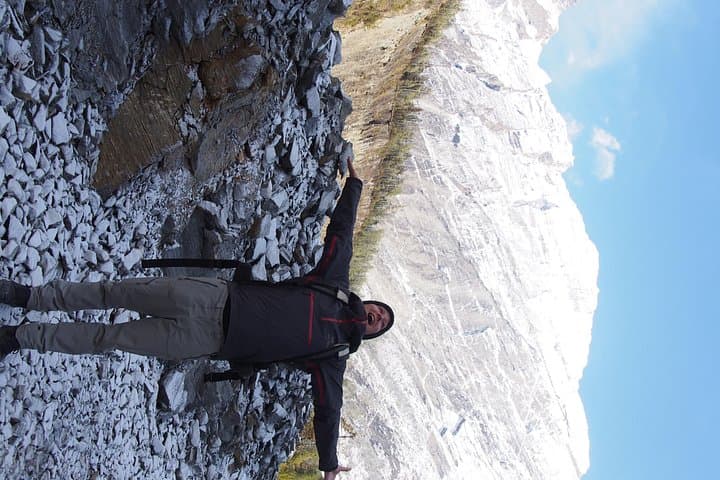
The Annapurna Circuit is a route forged by trade and pilgrimage; this short variant compresses the classic arc—subtropical foothills, rhododendron forests, high alpine plateaus—into roughly two weeks. Geologically the trek crosses young Himalayan rock uplifted by the Indian and Eurasian plates, creating steep river-cut gorges and the exposed moraine-and-scree of the high passes. Culturally you pass Gurung, Manangi and Thakali villages where tea houses supply hot dal bhat and local stories of the mountain gods.
Expect daily walking of 4–7 hours on well-worn mule tracks, dirt roads and rocky switchbacks with the high point near Thorong La (approx. 5,416 m) on some itineraries. Tea-house nights compress the logistics—sleeping bags and down jackets are often provided if needed, and the itinerary commonly finishes with a flight from Jomsom to Pokhara.
For planning: allow strict acclimatization days, hydrate deliberately, and schedule the hardest climbs for morning when weather is most stable. Solid, broken-in boots, layered clothing and dark sunglasses matter; altitude can turn a steady day into a slow, exposed slog. Book flights and permits in advance and factor in contingency days for weather-related delays. The route rewards preparation with panoramic ridgelines, remote monasteries and an unhurried passage through the changing faces of the Himalaya.
challenging.
12–14 days.
Should be in good aerobic shape for consecutive days of uphill hiking with full acclimatization; able to hike 4–7 hours per day with a light daypack.
Depending on the exact itinerary, the highest point on the Annapurna Circuit route is Thorong La at about 5,416 m (17,769 ft); some short variants avoid the pass but still reach high alpine villages above 3,500 m.
This tour includes necessary permits for the Annapurna region (Annapurna Conservation Area Permit and TIMS) as noted in the inclusions.
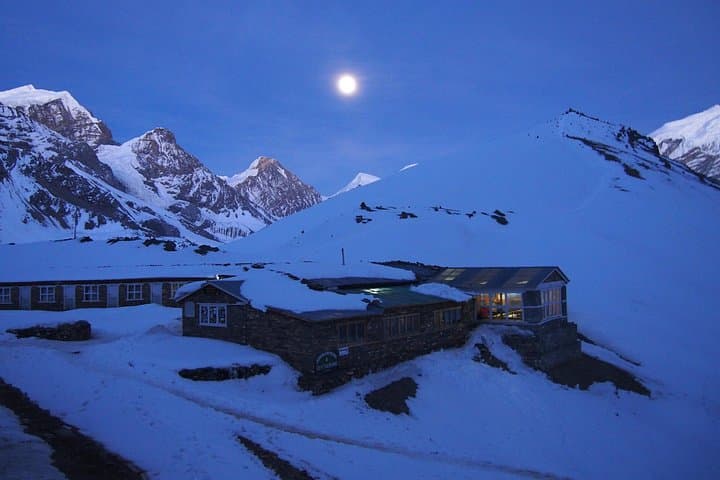
Accommodation is primarily tea houses—simple lodges with shared bathrooms in lower villages and more basic facilities at higher altitudes; hot meals are available but menu choices shrink with altitude.
Weather can cancel mountain flights; operators often arrange alternative ground transfers but these add time—plan a buffer day for delays.
The Circuit grew from trade and pilgrimage routes linking the lowland markets to Tibetan plateaus; villages served as caravan stops and distinct cultural enclaves formed along the way.
The trek runs through the Annapurna Conservation Area—stick to marked trails, use refillable water systems to reduce plastic, and support local tea houses to keep tourism benefits local.
Adventure Bound operates guided outdoor trips and adventures with an emphasis on safety, stewardship, and memorable experiences.
You step off the bus in Besisahar and humidity gives way to thin, cool air as the trail follows the Marshyangdi River. Villages climb the hills like stacked steps, prayer flags flap where stone bridges pitch you across fast water, and the massif of Annapurna II and the razor spine of Machhapuchhre stare down as the trail climbs.
You step off the bus in Besisahar and humidity gives way to thin, cool air as the trail follows the Marshyangdi River. Villages climb the hills like stacked steps, prayer flags flap where stone bridges pitch you across fast water, and the massif of Annapurna II and the razor spine of Machhapuchhre stare down as the trail climbs.
The Annapurna Circuit is a route forged by trade and pilgrimage; this short variant compresses the classic arc—subtropical foothills, rhododendron forests, high alpine plateaus—into roughly two weeks. Geologically the trek crosses young Himalayan rock uplifted by the Indian and Eurasian plates, creating steep river-cut gorges and the exposed moraine-and-scree of the high passes. Culturally you pass Gurung, Manangi and Thakali villages where tea houses supply hot dal bhat and local stories of the mountain gods.
Expect daily walking of 4–7 hours on well-worn mule tracks, dirt roads and rocky switchbacks with the high point near Thorong La (approx. 5,416 m) on some itineraries. Tea-house nights compress the logistics—sleeping bags and down jackets are often provided if needed, and the itinerary commonly finishes with a flight from Jomsom to Pokhara.
For planning: allow strict acclimatization days, hydrate deliberately, and schedule the hardest climbs for morning when weather is most stable. Solid, broken-in boots, layered clothing and dark sunglasses matter; altitude can turn a steady day into a slow, exposed slog. Book flights and permits in advance and factor in contingency days for weather-related delays. The route rewards preparation with panoramic ridgelines, remote monasteries and an unhurried passage through the changing faces of the Himalaya.