THE ADVENTURE COLLECTIVE® · Independent discovery and booking for outdoor travel

This 28‑day trek connects the classic Annapurna Circuit with Poon Hill’s sunrise, Mulde’s quiet viewpoints and Mardi Himal and Annapurna Base Camp. Expect high passes, varied villages, guest‑house nights and sustained high‑altitude trekking.
This 28‑day trek connects the classic Annapurna Circuit with Poon Hill’s sunrise, Mulde’s quiet viewpoints and Mardi Himal and Annapurna Base Camp. Expect high passes, varied villages, guest‑house nights and sustained high‑altitude trekking.
Dawn arrives cold and crystalline on Poon Hill; a band of hikers stands watching the peaks ignite—Annapurna, Dhaulagiri and Machapuchare push light across the valley while terraced fields and rhododendron forests stir below. This 28‑day loop stitches the classic Annapurna Circuit with Poon Hill’s sunrise, the quieter Mulde viewpoint and a high‑country push to Mardi Himal and Annapurna Base Camp.
Verified experiences and guided adventures in the surrounding area.
Operated by Shriyan World Wide Tours Private Limited · Pokhara, Gandaki Province
Dawn arrives cold and crystalline on Poon Hill; a band of hikers stands watching the peaks ignite—Annapurna, Dhaulagiri and Machapuchare push light across the valley while terraced fields and rhododendron forests stir below. This 28‑day loop stitches the classic Annapurna Circuit with Poon Hill’s sunrise, the quieter Mulde viewpoint and a high‑country push to Mardi Himal and Annapurna Base Camp.
The route follows ancient trade tracks that once linked Tibetan plateaus and hill communities. Geology here is dramatic: deep gorges carved by the Kali Gandaki, glacial cirques around Annapurna and the moraine‑strewn bowls of the high sanctuary. Culture is equally vivid—Gurung and Thakali villages, hilltop monasteries and the pilgrim hub of Muktinath add spiritual and human texture to the walk.
Expect long days of steady ascent and descent on stone steps, single‑track trails and occasional scree above 3,500 m, with the highest crossing at Thorong La (5,416 m). Guest houses provide basic meals and shelter; hot springs at Tatopani and Jhinu Danda offer welcome recovery. Weather shifts quickly—clear, frigid mornings can give way to snow or monsoon rain depending on season.
Practical guidance: build aerobic fitness and practice long days with a loaded pack; plan acclimatization days in Manang; carry a water filter and layered insulation; start pre‑dawn for passes. Respect local customs, pack out waste where possible, and allow flexibility—altitude and weather will set the pace.
challenging.
28 days.
Strong aerobic fitness and experience with multi‑day hikes; able to carry a 10–14 kg pack and hike 6–8 hours daily at altitude.
No—this is a trekking route on established trails; however, high‑altitude experience and good fitness are required for safety and enjoyment.
Trekking in the Annapurna region requires an Annapurna Conservation Area Permit (ACAP) and TIMS card; your operator typically arranges these before departure.
Autumn (Sept–Nov) and spring (Mar–May) offer the most stable weather and best visibility; winter poses snow risks on high passes and monsoon makes summer unreliable.
Medical facilities are available in larger villages (Pokhara, Besi Sahar, Jomsom, Manang), but emergency evacuation by helicopter is the standard for serious altitude illness or injury.
The circuit follows historic trade routes between the Tibetan plateau and Nepal’s hill settlements; villages reflect Gurung, Thakali and Tibetan cultural layers with Buddhist monasteries and Hindu pilgrimage sites like Muktinath.
The Annapurna Conservation Area protects local ecosystems and communities—stick to marked trails, minimize single‑use plastics and follow local waste disposal practices to reduce impact.
Shriyan World Wide Tours Private Limited operates guided outdoor trips and adventures with an emphasis on safety, stewardship, and memorable experiences.
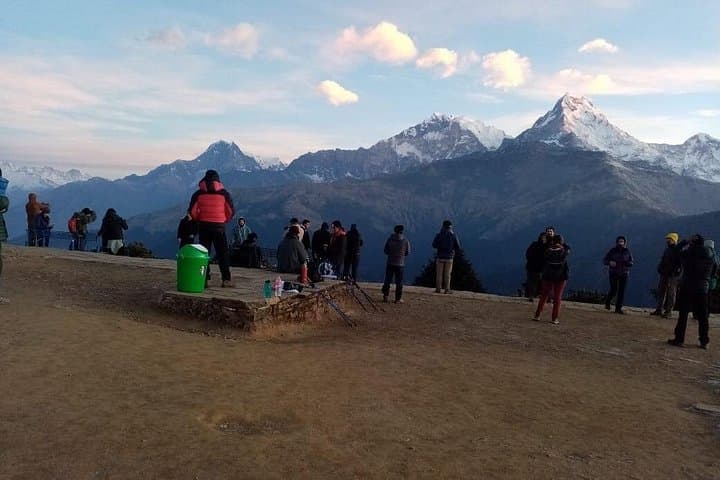
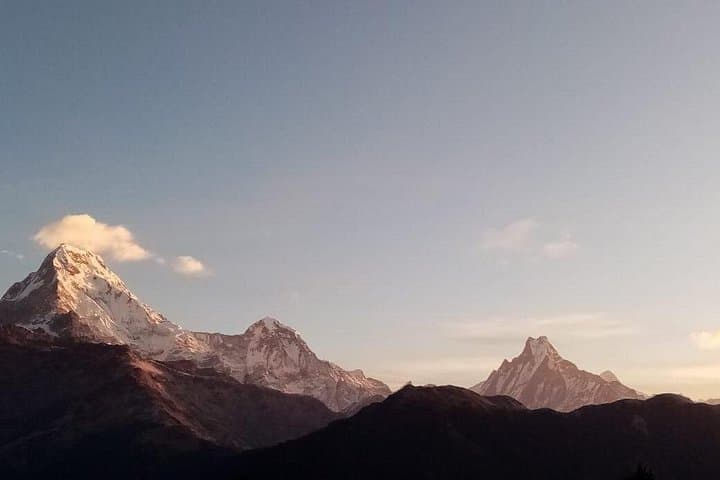
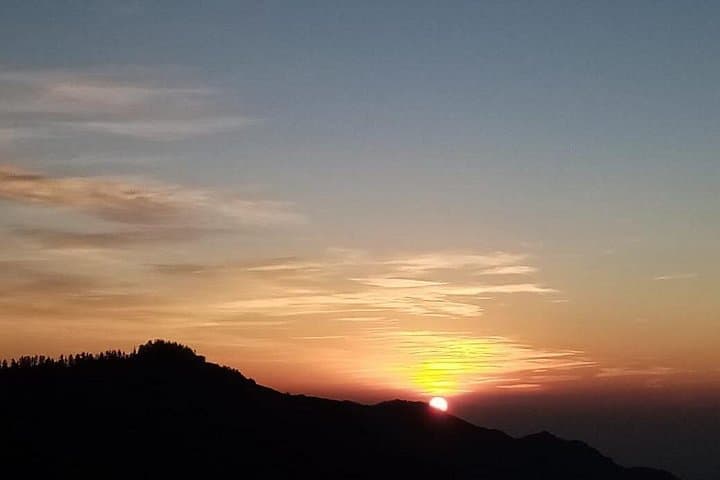
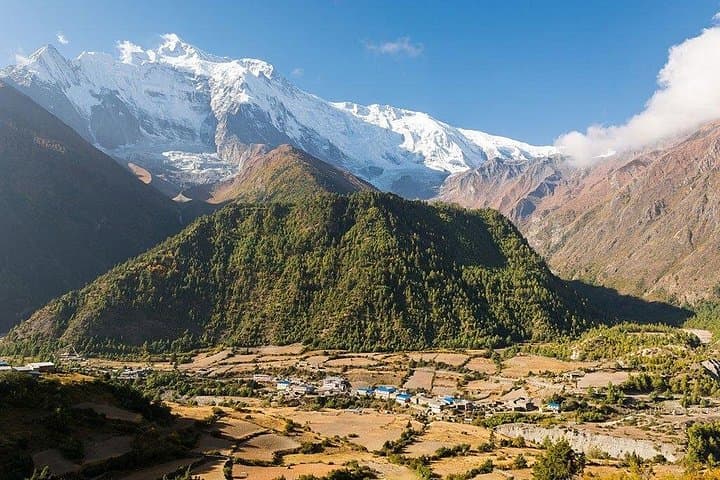
Dawn arrives cold and crystalline on Poon Hill; a band of hikers stands watching the peaks ignite—Annapurna, Dhaulagiri and Machapuchare push light across the valley while terraced fields and rhododendron forests stir below. This 28‑day loop stitches the classic Annapurna Circuit with Poon Hill’s sunrise, the quieter Mulde viewpoint and a high‑country push to Mardi Himal and Annapurna Base Camp.
Dawn arrives cold and crystalline on Poon Hill; a band of hikers stands watching the peaks ignite—Annapurna, Dhaulagiri and Machapuchare push light across the valley while terraced fields and rhododendron forests stir below. This 28‑day loop stitches the classic Annapurna Circuit with Poon Hill’s sunrise, the quieter Mulde viewpoint and a high‑country push to Mardi Himal and Annapurna Base Camp.
The route follows ancient trade tracks that once linked Tibetan plateaus and hill communities. Geology here is dramatic: deep gorges carved by the Kali Gandaki, glacial cirques around Annapurna and the moraine‑strewn bowls of the high sanctuary. Culture is equally vivid—Gurung and Thakali villages, hilltop monasteries and the pilgrim hub of Muktinath add spiritual and human texture to the walk.
Expect long days of steady ascent and descent on stone steps, single‑track trails and occasional scree above 3,500 m, with the highest crossing at Thorong La (5,416 m). Guest houses provide basic meals and shelter; hot springs at Tatopani and Jhinu Danda offer welcome recovery. Weather shifts quickly—clear, frigid mornings can give way to snow or monsoon rain depending on season.
Practical guidance: build aerobic fitness and practice long days with a loaded pack; plan acclimatization days in Manang; carry a water filter and layered insulation; start pre‑dawn for passes. Respect local customs, pack out waste where possible, and allow flexibility—altitude and weather will set the pace.