THE ADVENTURE COLLECTIVE® · Independent discovery and booking for outdoor travel

An 18-day loop that combines the classic Annapurna Circuit with Annapurna Base Camp—expect high passes, tea-house stays and dramatic mountain amphitheaters. This guide covers what to expect on terrain, culture, and practical preparation.
An 18-day loop that combines the classic Annapurna Circuit with Annapurna Base Camp—expect high passes, tea-house stays and dramatic mountain amphitheaters. This guide covers what to expect on terrain, culture, and practical preparation.
A thin dawn light slides over prayer flags as a convoy of jeeps snakes out of Kathmandu and the Himalaya begins to push back the low hills. By day three the valley tightens; stone villages and mani walls appear between terraces and silver rivers, and the air grows noticeably colder. Peaks—Annapurna I, Dhaulagiri, Gangapurna and the Fishtail—loom like moving weather, their shadows lengthening at every pass.
Verified experiences and guided adventures in the surrounding area.
Operated by CAN Travels · Pokhara, Gandaki Province
A thin dawn light slides over prayer flags as a convoy of jeeps snakes out of Kathmandu and the Himalaya begins to push back the low hills. By day three the valley tightens; stone villages and mani walls appear between terraces and silver rivers, and the air grows noticeably colder. Peaks—Annapurna I, Dhaulagiri, Gangapurna and the Fishtail—loom like moving weather, their shadows lengthening at every pass.
The route stitches together two classic histories: the long trading route of the Annapurna Circuit, once a salt-track to Tibet, and the pilgrimage and alpine approach to Annapurna Base Camp (ABC). Geology here tells of rising uplift and glacial carving—bowl-shaped amphitheaters, moraine-hemmed valleys and jagged ridgelines. Culturally the trail threads Gurung, Thakali and Manangi villages where mani stones, gompas and tea-house hospitality punctuate the miles.
Expect 18 days of mixed terrain: terraced farmland, rhododendron and oak forests, high-altitude deserts and glacier-fed streams. Key elevations include Thorong La (5,416 m) and ABC (~4,130 m); total walking distance across this combined itinerary is roughly 200–240 km spread over sustained ascents and descents. Weather shifts fast—sunny mornings can turn windy and snowy by afternoon.
Practical edge: prioritize acclimatization days (Manang), carry layered insulation, and plan early summit-day starts for High Camp to Thorong La. Tea-house nights mean lightweight kit works but add a warm sleeping bag and down jacket for 4,000+m stops. Hydrate, pace uphill, and be prepared to adjust plans for altitude. With preparation, this itinerary delivers high alpine theater, living culture and a sustained sense of progression through Nepal’s central range.
challenging.
18 days.
Requires a high level of cardiovascular fitness, regular uphill hiking experience, and prior multi-day trekking conditioning.
Prior high-altitude trekking or multi-day hiking experience is strongly recommended; acclimatization days are included but fitness and experience reduce risk of altitude illness.
Trekkers normally need TIMS and Annapurna Conservation Area (ACAP) permits; your operator should arrange these before departure.
Tea houses range from simple rooms with shared toilets and limited hot water to modest private rooms; higher-elevation stops are more rustic and colder at night.
Sections can be shortened by local flights or road transfers (e.g., drive from Besisahar or fly between Pokhara and Jomsom), but this itinerary is designed for full acclimatization and scenic coverage.
The circuit evolved from centuries-old trade routes linking Nepal and Tibet; villages grew as rest stops for traders and salt caravans.
The Annapurna Conservation Area manages permits and promotes community-based tourism; stick to trails, pack out waste, and support local teahouses to reduce impact.
CAN Travels operates guided outdoor trips and adventures with an emphasis on safety, stewardship, and memorable experiences.
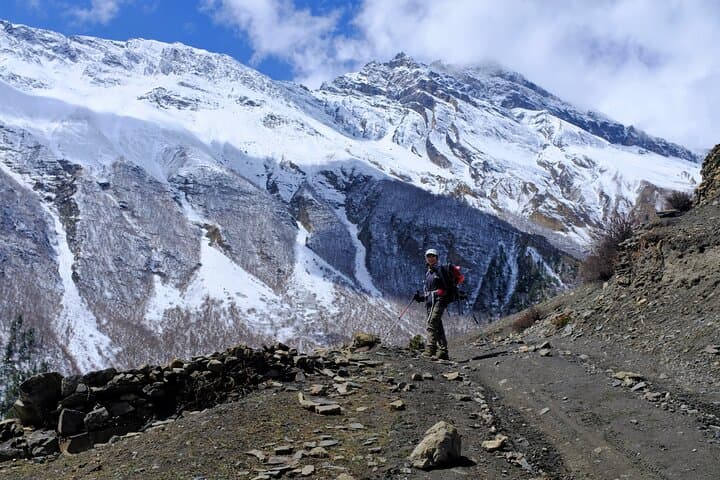
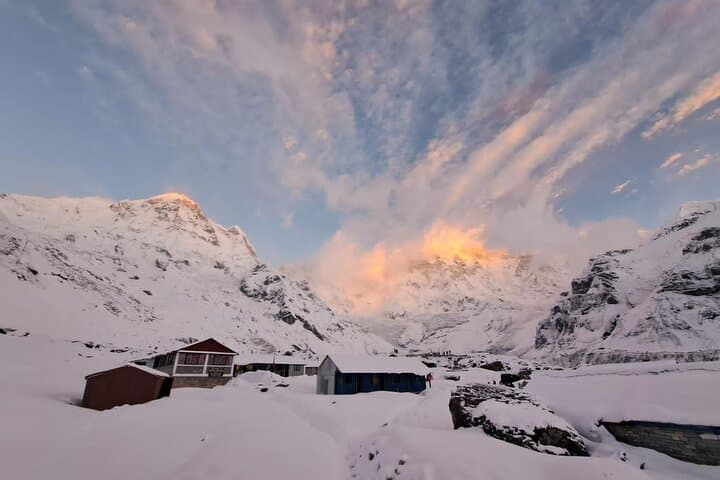
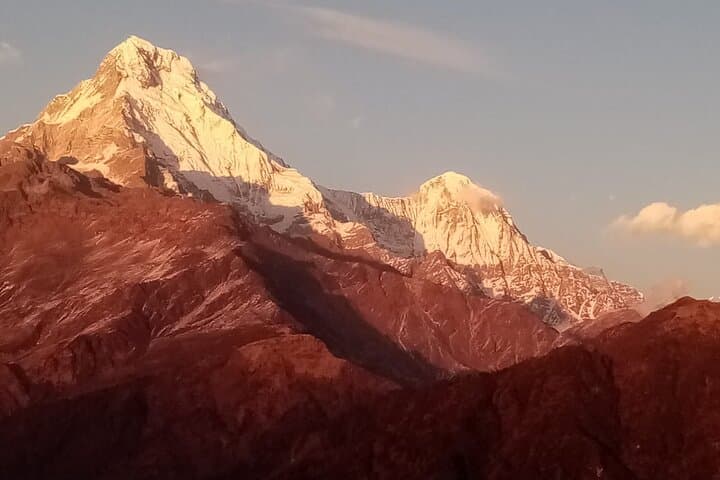
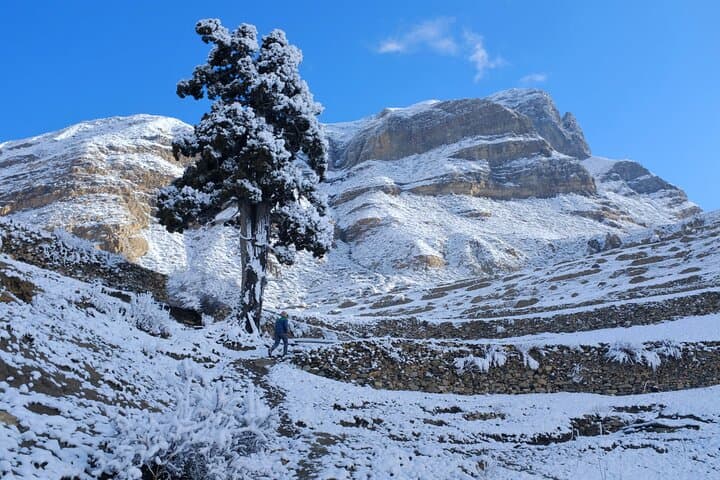
A thin dawn light slides over prayer flags as a convoy of jeeps snakes out of Kathmandu and the Himalaya begins to push back the low hills. By day three the valley tightens; stone villages and mani walls appear between terraces and silver rivers, and the air grows noticeably colder. Peaks—Annapurna I, Dhaulagiri, Gangapurna and the Fishtail—loom like moving weather, their shadows lengthening at every pass.
A thin dawn light slides over prayer flags as a convoy of jeeps snakes out of Kathmandu and the Himalaya begins to push back the low hills. By day three the valley tightens; stone villages and mani walls appear between terraces and silver rivers, and the air grows noticeably colder. Peaks—Annapurna I, Dhaulagiri, Gangapurna and the Fishtail—loom like moving weather, their shadows lengthening at every pass.
The route stitches together two classic histories: the long trading route of the Annapurna Circuit, once a salt-track to Tibet, and the pilgrimage and alpine approach to Annapurna Base Camp (ABC). Geology here tells of rising uplift and glacial carving—bowl-shaped amphitheaters, moraine-hemmed valleys and jagged ridgelines. Culturally the trail threads Gurung, Thakali and Manangi villages where mani stones, gompas and tea-house hospitality punctuate the miles.
Expect 18 days of mixed terrain: terraced farmland, rhododendron and oak forests, high-altitude deserts and glacier-fed streams. Key elevations include Thorong La (5,416 m) and ABC (~4,130 m); total walking distance across this combined itinerary is roughly 200–240 km spread over sustained ascents and descents. Weather shifts fast—sunny mornings can turn windy and snowy by afternoon.
Practical edge: prioritize acclimatization days (Manang), carry layered insulation, and plan early summit-day starts for High Camp to Thorong La. Tea-house nights mean lightweight kit works but add a warm sleeping bag and down jacket for 4,000+m stops. Hydrate, pace uphill, and be prepared to adjust plans for altitude. With preparation, this itinerary delivers high alpine theater, living culture and a sustained sense of progression through Nepal’s central range.