THE ADVENTURE COLLECTIVE® · Independent discovery and booking for outdoor travel

Spend 11–12 days traversing rhododendron forests, high ridgelines and the Annapurna Sanctuary to reach Annapurna Base Camp (4,130 m). This practical guide outlines what to expect—terrain, culture, seasonal conditions and essential gear—to prepare for one of the Himalaya’s classic treks.
Spend 11–12 days traversing rhododendron forests, high ridgelines and the Annapurna Sanctuary to reach Annapurna Base Camp (4,130 m). This practical guide outlines what to expect—terrain, culture, seasonal conditions and essential gear—to prepare for one of the Himalaya’s classic treks.
The trail opens before dawn as low clouds peel from the valley and the first silhouettes of Annapurna and Machhapuchhre sharpen against a cold sky. You start in Pokhara’s lakeside bustle, trade the boat-tinted calm for stepped villages, and then walk into forests where rhododendron branches braid overhead and the river dares you downstream. Each day reshapes the landscape — terraced fields give way to oak groves, then to alpine meadows and wind-honed moraines as the trail climbs into the amphitheater of the Annapurna Sanctuary.
Verified experiences and guided adventures in the surrounding area.
Operated by Accessible Adventure Pvt. Ltd · Pokhara, Gandaki Province
The trail opens before dawn as low clouds peel from the valley and the first silhouettes of Annapurna and Machhapuchhre sharpen against a cold sky. You start in Pokhara’s lakeside bustle, trade the boat-tinted calm for stepped villages, and then walk into forests where rhododendron branches braid overhead and the river dares you downstream. Each day reshapes the landscape — terraced fields give way to oak groves, then to alpine meadows and wind-honed moraines as the trail climbs into the amphitheater of the Annapurna Sanctuary.
The route follows centuries-old trade and pilgrimage corridors used by Gurung and Magar communities; today it lies inside the Annapurna Conservation Area, Nepal’s first conservation zone. Geology here is raw: uplifted sedimentary strata fractured by the Himalayan thrust, with glaciers and moraines sculpting the cirque around Base Camp. Cultural touches — stone mani walls, tea-house hospitality, local dairy and lentil stews — punctuate long walking days.
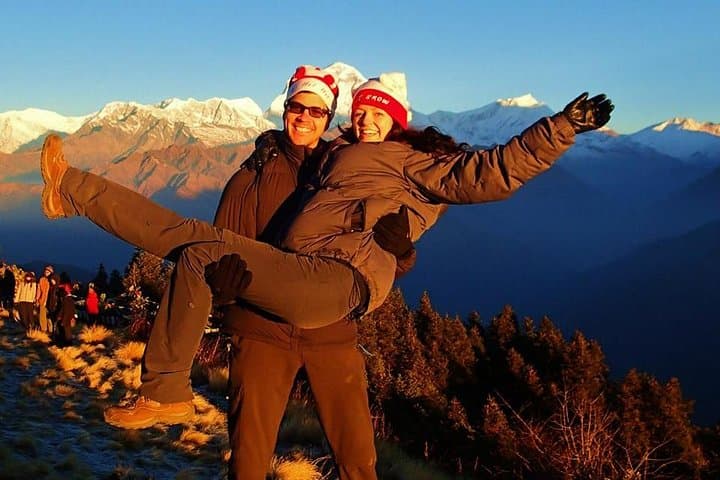
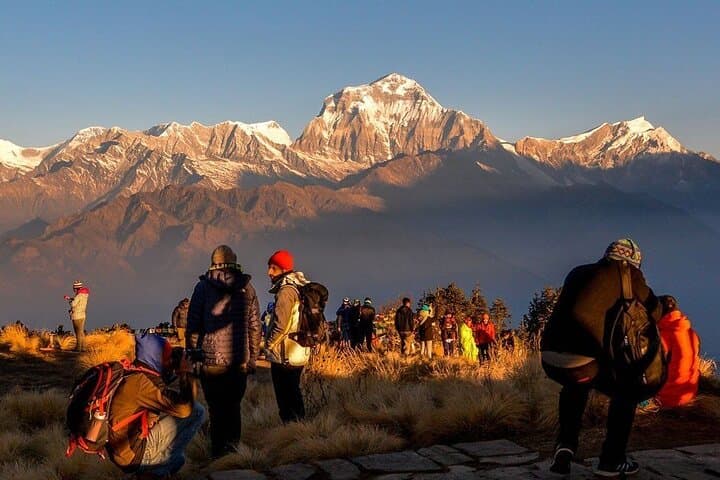
Practical edge: the itinerary spans about 11–12 days with a summit of sorts at Annapurna Base Camp (4,130 m), so acclimatize, pace yourself, and expect rocky, at times steep terrain and long ascents on stone steps. Tea houses provide shelter, simple food and hot water, but carry layers, a trusted sleeping bag, and enough water treatment. Sunrise at Poon Hill or the MBC ridge rewards an early alarm with wide Himalayan light — plan mornings for views and afternoons for steady trekking.
challenging.
11–12 days.
Good cardio fitness with experience hiking 5–8 hours over varied terrain; ability to carry a daypack and tolerate altitude.
Yes—both the Annapurna Conservation Area Permit (ACAP) and a TIMS card are required; your operator usually arranges these before the trek.
The trail is non-technical but physically demanding due to sustained climbs and altitude; suitable for fit hikers with previous multi-day trekking experience.
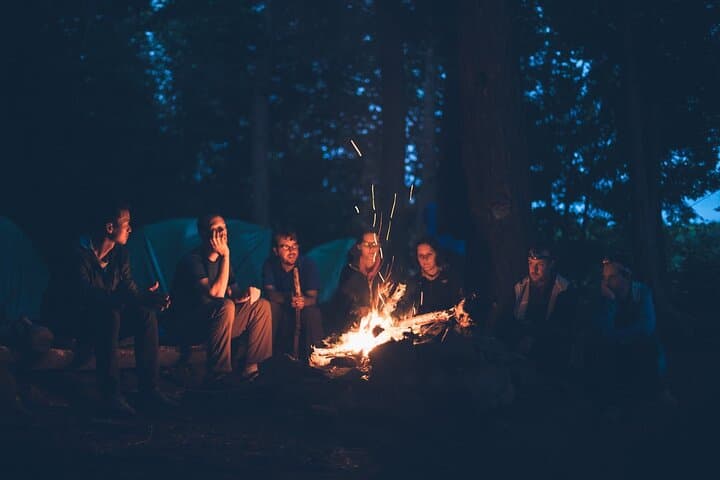
Teahouses provide simple dormitory-style rooms, basic meals (rice, dal, noodles, soups) and hot beverages; vegetarian options are common but expect limited variety at higher camps.
Acclimatize with gradual ascent, stay hydrated, avoid alcohol, and recognize symptoms early; descent is the primary treatment and guides carry oxygen or can arrange evacuation if needed.
The Annapurna Sanctuary was designated part of the Annapurna Conservation Area to protect local ecosystems and support Gurung and Magar communities that historically traded salt and grains on these passes.
Permits fund the conservation area and local development; practice leave-no-trace principles and avoid single-use plastics to reduce waste pressure on fragile mountain ecosystems.
Accessible Adventure Pvt. Ltd operates guided outdoor trips and adventures with an emphasis on safety, stewardship, and memorable experiences.
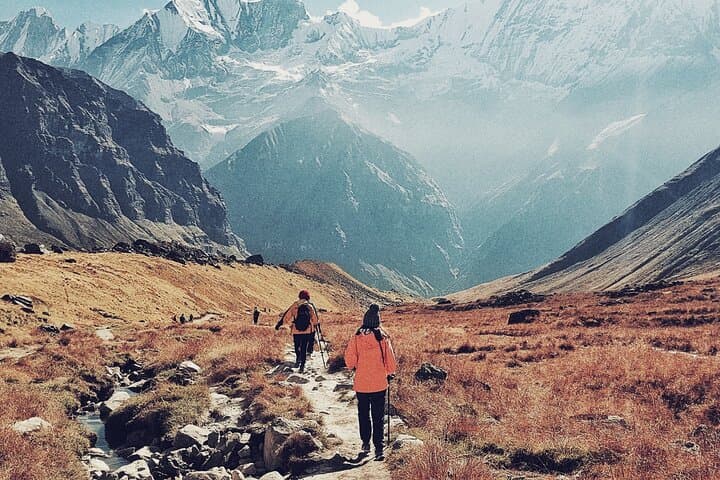
The trail opens before dawn as low clouds peel from the valley and the first silhouettes of Annapurna and Machhapuchhre sharpen against a cold sky. You start in Pokhara’s lakeside bustle, trade the boat-tinted calm for stepped villages, and then walk into forests where rhododendron branches braid overhead and the river dares you downstream. Each day reshapes the landscape — terraced fields give way to oak groves, then to alpine meadows and wind-honed moraines as the trail climbs into the amphitheater of the Annapurna Sanctuary.
The trail opens before dawn as low clouds peel from the valley and the first silhouettes of Annapurna and Machhapuchhre sharpen against a cold sky. You start in Pokhara’s lakeside bustle, trade the boat-tinted calm for stepped villages, and then walk into forests where rhododendron branches braid overhead and the river dares you downstream. Each day reshapes the landscape — terraced fields give way to oak groves, then to alpine meadows and wind-honed moraines as the trail climbs into the amphitheater of the Annapurna Sanctuary.
The route follows centuries-old trade and pilgrimage corridors used by Gurung and Magar communities; today it lies inside the Annapurna Conservation Area, Nepal’s first conservation zone. Geology here is raw: uplifted sedimentary strata fractured by the Himalayan thrust, with glaciers and moraines sculpting the cirque around Base Camp. Cultural touches — stone mani walls, tea-house hospitality, local dairy and lentil stews — punctuate long walking days.
Practical edge: the itinerary spans about 11–12 days with a summit of sorts at Annapurna Base Camp (4,130 m), so acclimatize, pace yourself, and expect rocky, at times steep terrain and long ascents on stone steps. Tea houses provide shelter, simple food and hot water, but carry layers, a trusted sleeping bag, and enough water treatment. Sunrise at Poon Hill or the MBC ridge rewards an early alarm with wide Himalayan light — plan mornings for views and afternoons for steady trekking.