THE ADVENTURE COLLECTIVE® · Independent discovery and booking for outdoor travel

Swap city streets for stone steps and rhododendron forests on a 9–10 day walk to Annapurna Base Camp. This guide outlines the route, what to expect at altitude, and practical tips for timing, gear, and acclimatization.
Swap city streets for stone steps and rhododendron forests on a 9–10 day walk to Annapurna Base Camp. This guide outlines the route, what to expect at altitude, and practical tips for timing, gear, and acclimatization.
At first light the trail climbs through a ribbon of prayer flags and rhododendron trunks, the river below daring you to keep moving while the high peaks hold their breath. Over ten days, trekkers exchange the bustle of Kathmandu and Pokhara for stone stairways, terraced villages and a narrowing world of moraine and scree as Annapurna’s bowl opens at 3,700–4,130 m.
Verified experiences and guided adventures in the surrounding area.
Operated by Adventure Bound · Pokhara, Gandaki Province
At first light the trail climbs through a ribbon of prayer flags and rhododendron trunks, the river below daring you to keep moving while the high peaks hold their breath. Over ten days, trekkers exchange the bustle of Kathmandu and Pokhara for stone stairways, terraced villages and a narrowing world of moraine and scree as Annapurna’s bowl opens at 3,700–4,130 m.
The route follows centuries-old trade tracks used by Gurung and Magar communities. Geologically, the walk traverses young Himalayan uplifts—steep valleys carved by glaciers and rivers—so expect a mix of packed earth, stone steps and alpine scree near the base camp. Cultural notes: guesthouses are family-run and meals reflect Nepali staples—dal bhat, fresh greens and yak butter tea at high altitude.
Practical guidance: the itinerary gains roughly 2,400–2,900 m from Pokhara/Birethanti to ABC, so pace matters—plan acclimatization days and watch for altitude symptoms. Footing is often uneven; trekking poles reduce knee strain on descents. Water sources are frequent but treat or filter; lodges provide meals and basic bedding but nights are cold—bring an appropriate sleeping bag and a warm down layer. Best windows for clear mountain views are pre-monsoon (March–May) and post-monsoon (late September–November).
Logistics: permits for the Annapurna Conservation Area are required and normally arranged through operators; transport links run between Kathmandu and Pokhara by tourist bus or short flight. Expect long hiking days of 5–8 hours, variable weather, and unforgettable summit-bowl views where the massif crowds the sky.
challenging.
9–10 days.
Good cardiovascular fitness and experience with multi-day hikes is recommended; expect long daily ascents and descents.
Physically it's challenging due to long days and sustained elevation gain; no technical climbing skills are required but good fitness and prior multi-day hiking experience help.
Yes—trekkers need TIMS and an Annapurna Conservation Area permit; reputable operators typically arrange them before departure.
Pre-monsoon (March–May) and post-monsoon (late September–November) offer the most stable weather and clear mountain views.
Most itineraries use tea-house lodges along the route for accommodation and meals; some operators offer camping options on request.
The trail follows historic trans-Himalayan routes used by Gurung and Magar communities for trade and seasonal grazing, with local teahouses run by families with deep regional ties.
The trek lies inside the Annapurna Conservation Area Project (ACAP), which enforces permits and promotes lodge-based tourism, waste management and community-driven conservation programs.
Adventure Bound operates guided outdoor trips and adventures with an emphasis on safety, stewardship, and memorable experiences.
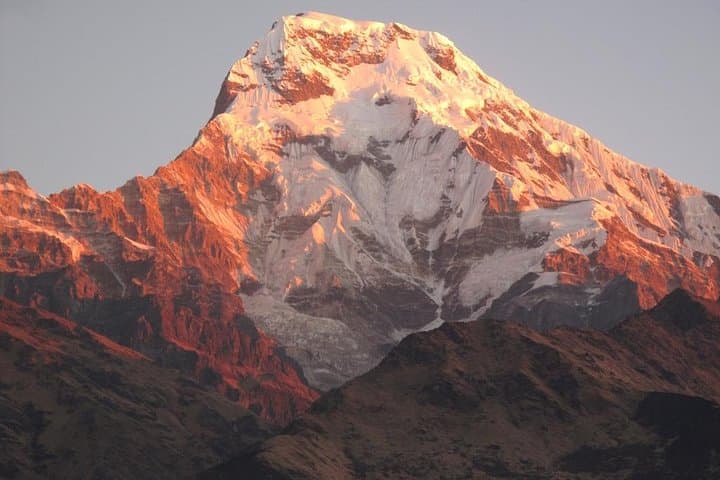
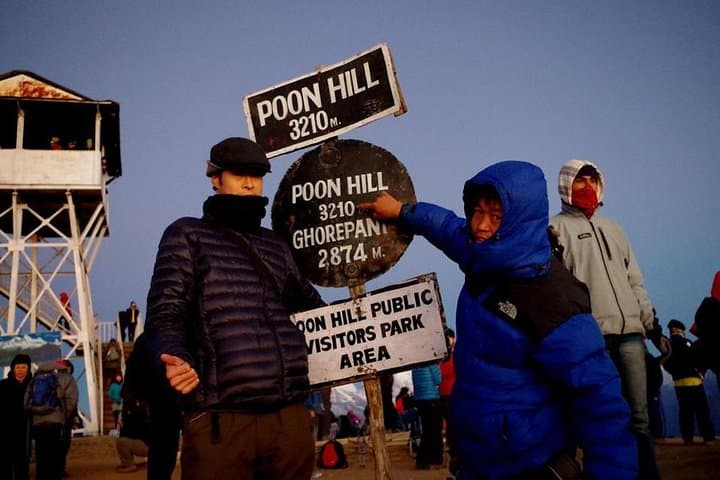
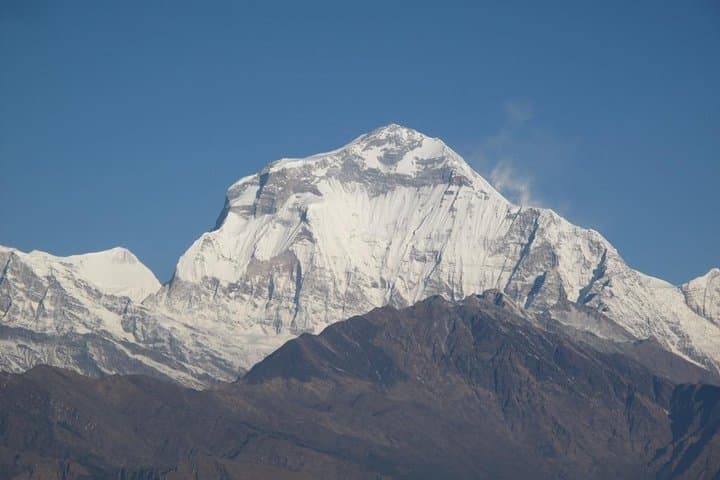
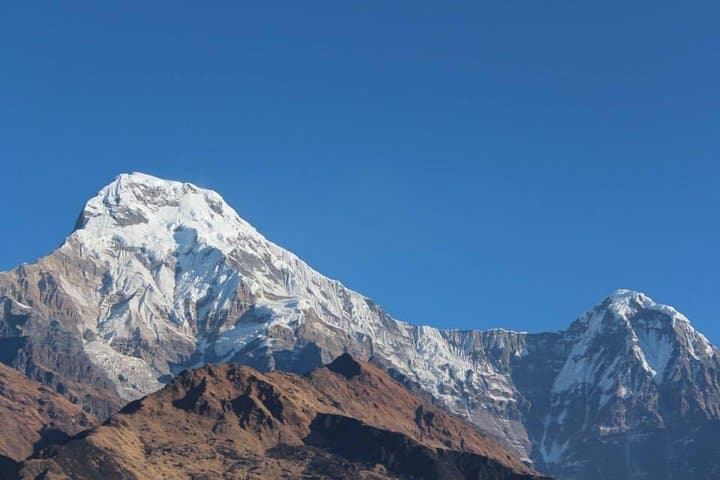
At first light the trail climbs through a ribbon of prayer flags and rhododendron trunks, the river below daring you to keep moving while the high peaks hold their breath. Over ten days, trekkers exchange the bustle of Kathmandu and Pokhara for stone stairways, terraced villages and a narrowing world of moraine and scree as Annapurna’s bowl opens at 3,700–4,130 m.
At first light the trail climbs through a ribbon of prayer flags and rhododendron trunks, the river below daring you to keep moving while the high peaks hold their breath. Over ten days, trekkers exchange the bustle of Kathmandu and Pokhara for stone stairways, terraced villages and a narrowing world of moraine and scree as Annapurna’s bowl opens at 3,700–4,130 m.
The route follows centuries-old trade tracks used by Gurung and Magar communities. Geologically, the walk traverses young Himalayan uplifts—steep valleys carved by glaciers and rivers—so expect a mix of packed earth, stone steps and alpine scree near the base camp. Cultural notes: guesthouses are family-run and meals reflect Nepali staples—dal bhat, fresh greens and yak butter tea at high altitude.
Practical guidance: the itinerary gains roughly 2,400–2,900 m from Pokhara/Birethanti to ABC, so pace matters—plan acclimatization days and watch for altitude symptoms. Footing is often uneven; trekking poles reduce knee strain on descents. Water sources are frequent but treat or filter; lodges provide meals and basic bedding but nights are cold—bring an appropriate sleeping bag and a warm down layer. Best windows for clear mountain views are pre-monsoon (March–May) and post-monsoon (late September–November).
Logistics: permits for the Annapurna Conservation Area are required and normally arranged through operators; transport links run between Kathmandu and Pokhara by tourist bus or short flight. Expect long hiking days of 5–8 hours, variable weather, and unforgettable summit-bowl views where the massif crowds the sky.