THE ADVENTURE COLLECTIVE® · Independent discovery and booking for outdoor travel

A 9-day trek from Pokhara into the Annapurna Sanctuary, this classic route threads rhododendron forests, Gurung villages and a glacial amphitheater at 4,130 m. Expect steep stone steps, teahouse nights, and sweeping views of Annapurna and Machhapuchhre.
A 9-day trek from Pokhara into the Annapurna Sanctuary, this classic route threads rhododendron forests, Gurung villages and a glacial amphitheater at 4,130 m. Expect steep stone steps, teahouse nights, and sweeping views of Annapurna and Machhapuchhre.
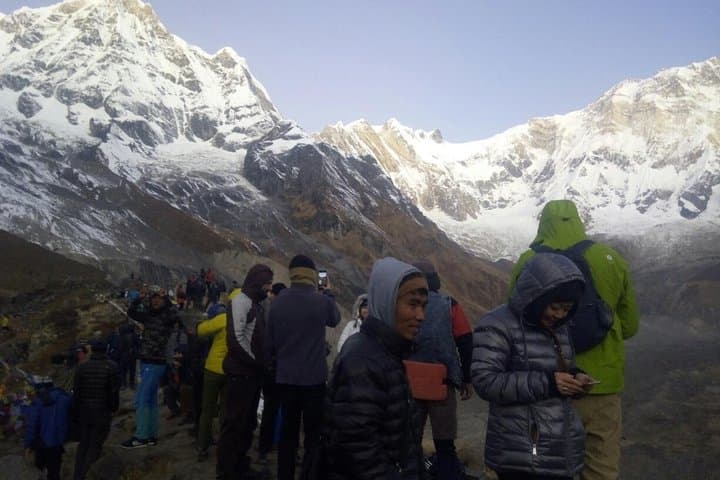
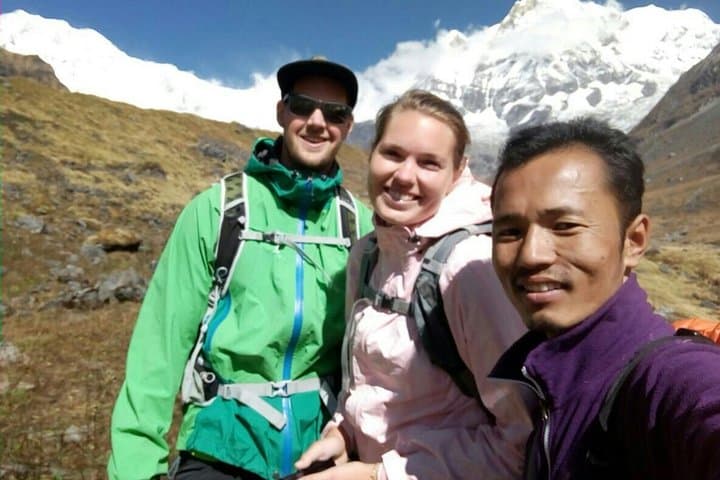
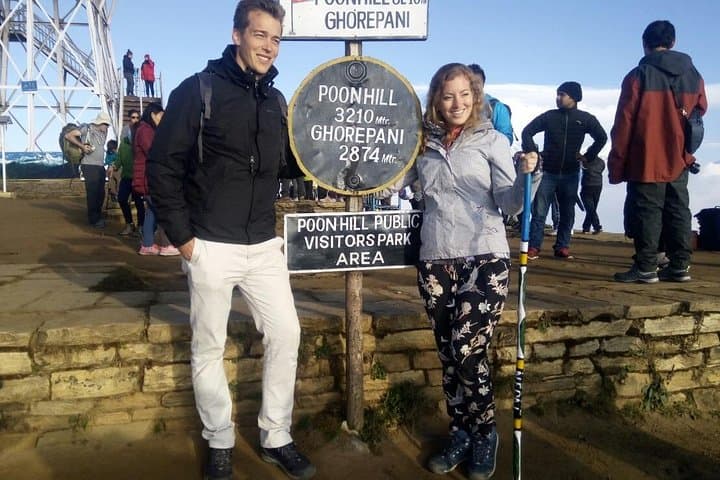
The trail begins along a river-carved valley where the Modi River seems to push you forward, and rhododendron corridors close in like color-marked gates. Early days pass through terraced villages — Magar and Gurung communities tending fields and tea-house traffic — before the forest opens to alpine meadows and a bowl of granite and ice at 4,130 m: Annapurna Base Camp.
Verified experiences and guided adventures in the surrounding area.
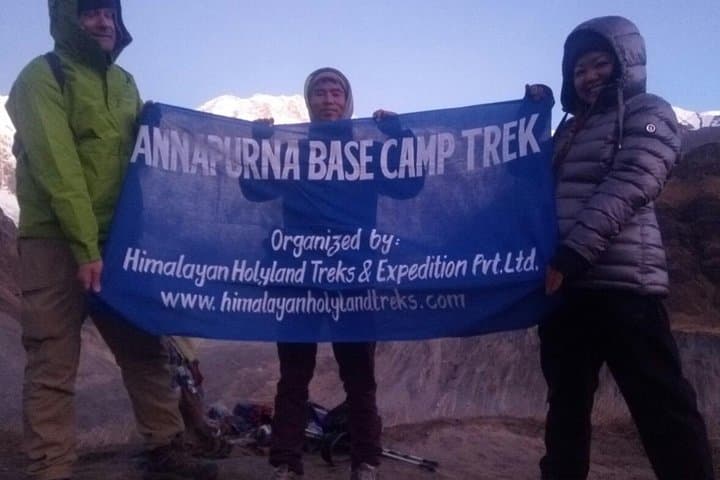
Operated by Himalayan Holyland Treks and Expedition · Pokhara, Gandaki Province
The trail begins along a river-carved valley where the Modi River seems to push you forward, and rhododendron corridors close in like color-marked gates. Early days pass through terraced villages — Magar and Gurung communities tending fields and tea-house traffic — before the forest opens to alpine meadows and a bowl of granite and ice at 4,130 m: Annapurna Base Camp.
This route threads cultural history and mountain geology. The Annapurna Sanctuary is a cirque carved by glacial action and uplifted by the collision of the Indian and Eurasian plates; villages here have traded salt and stories for centuries. Local teahouses reflect Gurung and Magar hospitality: simple rooms, wood stoves, and hearty dal bhat to refuel. Along the way, Hinku Caves and Machhapuchhre (Fishtail) dominate the skyline, offering classic Himalayan angles at sunrise.
Expect varied terrain: steady stone staircases, muddy forest tracks, bamboo and rhododendron slopes, and a final high-trail moraine into the amphitheater of peaks. Altitude moves quickly — plan for slow ascents and brief acclimatization. Practical tips: hike early to avoid afternoon clouds, carry layers for sudden wind and snow, and conserve water between teahouses. Footwear should handle wet stone and long descents; poles reduce knee strain on the return.
The trip is equal parts cultural exchange and alpine viewpoint: arrive prepared, respectful of local customs, and ready for raw mountain drama when the sanctuary opens and the Annapurna massif steps forward.
moderate.
8–9 days.
Good aerobic fitness for consecutive day hikes with moderate elevation gain; able to carry a daypack and manage 4–6 hours on steeper days.
You should have good cardio fitness and experience with multi-day hikes; most days include sustained climbs and long descents but no technical climbing.
Yes — you need an ACAP permit and a TIMS card, which are typically arranged by your operator or available in Pokhara/Kathmandu.
Basic teahouses with shared or twin rooms, simple showers when available and regular meals; standards improve closer to Pokhara.
Fall (Sept–Nov) and spring (Mar–May) offer the best combination of clear skies and comfortable trekking temperatures.
The Annapurna Sanctuary has long been home to Gurung and Magar communities and became a regulated trekking area after the 1970s when mountaineering and tourism expanded in Nepal.
Stick to marked trails, avoid single-use plastics and support local teahouses — responsible trekking helps sustain delicate alpine ecosystems and village economies.
Himalayan Holyland Treks and Expedition operates guided outdoor trips and adventures with an emphasis on safety, stewardship, and memorable experiences.
The trail begins along a river-carved valley where the Modi River seems to push you forward, and rhododendron corridors close in like color-marked gates. Early days pass through terraced villages — Magar and Gurung communities tending fields and tea-house traffic — before the forest opens to alpine meadows and a bowl of granite and ice at 4,130 m: Annapurna Base Camp.
The trail begins along a river-carved valley where the Modi River seems to push you forward, and rhododendron corridors close in like color-marked gates. Early days pass through terraced villages — Magar and Gurung communities tending fields and tea-house traffic — before the forest opens to alpine meadows and a bowl of granite and ice at 4,130 m: Annapurna Base Camp.
This route threads cultural history and mountain geology. The Annapurna Sanctuary is a cirque carved by glacial action and uplifted by the collision of the Indian and Eurasian plates; villages here have traded salt and stories for centuries. Local teahouses reflect Gurung and Magar hospitality: simple rooms, wood stoves, and hearty dal bhat to refuel. Along the way, Hinku Caves and Machhapuchhre (Fishtail) dominate the skyline, offering classic Himalayan angles at sunrise.
Expect varied terrain: steady stone staircases, muddy forest tracks, bamboo and rhododendron slopes, and a final high-trail moraine into the amphitheater of peaks. Altitude moves quickly — plan for slow ascents and brief acclimatization. Practical tips: hike early to avoid afternoon clouds, carry layers for sudden wind and snow, and conserve water between teahouses. Footwear should handle wet stone and long descents; poles reduce knee strain on the return.
The trip is equal parts cultural exchange and alpine viewpoint: arrive prepared, respectful of local customs, and ready for raw mountain drama when the sanctuary opens and the Annapurna massif steps forward.