THE ADVENTURE COLLECTIVE® · Independent discovery and booking for outdoor travel

This multi-day trek carries you from Pokhara into the heart of the Annapurna Sanctuary, rising to 4,130 m with panoramic views of Annapurna, Dhaulagiri and Machhapuchhre. Expect village culture, rhododendron forests, and varied alpine terrain across a 7–14 day route.
This multi-day trek carries you from Pokhara into the heart of the Annapurna Sanctuary, rising to 4,130 m with panoramic views of Annapurna, Dhaulagiri and Machhapuchhre. Expect village culture, rhododendron forests, and varied alpine terrain across a 7–14 day route.
The trail opens on a cool morning in Pokhara, where terraced fields slip into the foothills and the first jagged teeth of the Annapurna massif push into the sky. Trekkers leave Nayapul, following rivers that dare you to slow down, through rhododendron forests that explode into color in spring and across stone-built villages where prayer flags snap like restless birds.
Verified experiences and guided adventures in the surrounding area.
Operated by Nepal Trekking Routes Pvt. Ltd · Pokhara, Gandaki Province
The trail opens on a cool morning in Pokhara, where terraced fields slip into the foothills and the first jagged teeth of the Annapurna massif push into the sky. Trekkers leave Nayapul, following rivers that dare you to slow down, through rhododendron forests that explode into color in spring and across stone-built villages where prayer flags snap like restless birds.
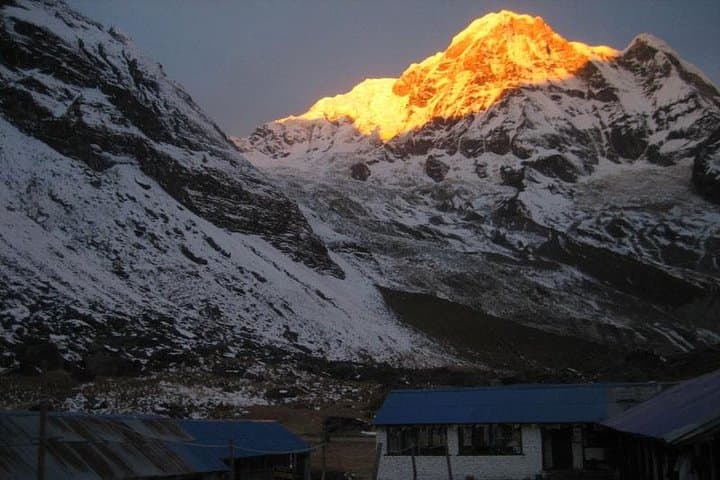
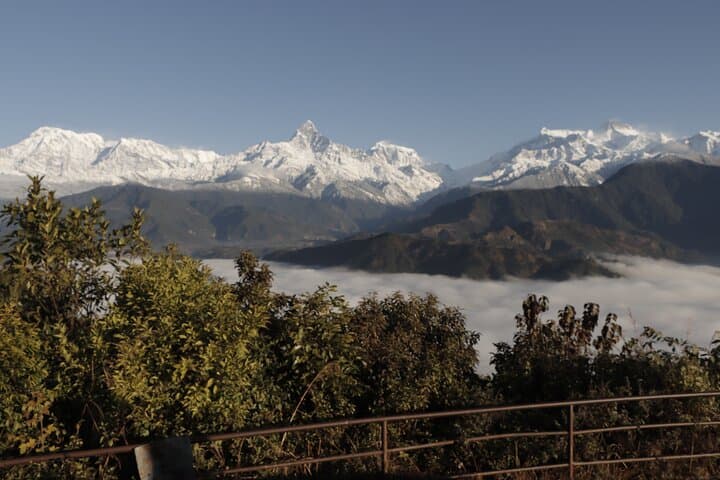
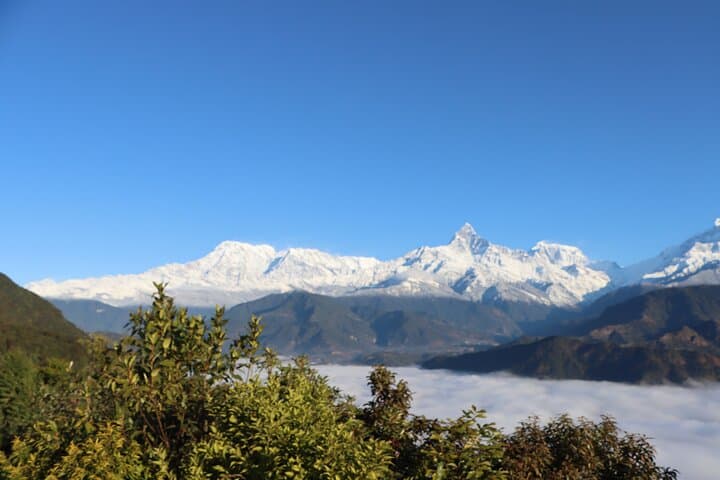
The route threads through the Annapurna Conservation Area, created in the late 1980s to protect rare Himalayan flora and fauna and to support local Gurung, Magar and Ghale communities. Geologically the valley is an amphitheater carved by glaciers and uplift, offering repeated views of Annapurna I, Dhaulagiri and the knife‑edged Machhapuchhre. Along the way, mani walls, teahouses and stone houses reflect centuries of mountain life and mixed Hindu-Buddhist traditions.
Practically, expect 7–14 days on trail, gradual ascents to Poon Hill (3,210 m) and a final climb to Annapurna Base Camp (~4,130 m) across rocky, sometimes icy terrain. Altitude, weather swings, and long afternoons on uneven trails shape each day; plan for early starts to catch clear vistas and to avoid afternoon clouds.
Bring layered clothing for sharp temperature shifts, a reliable pair of waterproof trekking boots, and a water-treatment method. Acclimatize slowly, hydrate often, and respect local dress codes when visiting villages and monasteries. Hot springs at Jhinu Besi are a well-earned reward on the descent—temperature, scenery, and culture converge there, leaving a practical memory of why the Annapurna sanctuary draws trekkers year after year.
challenging.
7–14 days.
Good aerobic fitness with experience on multi-day hikes; ability to carry a daypack for 6–8 hours per day.
Pre-monsoon (March–May) and post-monsoon (September–November) offer the most stable weather and clear mountain views.
Guides and porters are not mandatory but are strongly recommended for navigation, local knowledge, and to help with altitude and logistics.
It’s achievable for fit beginners who have multi-day hiking experience and allow time for acclimatization; altitude and long days make it challenging.
Basic teahouses provide lodging and meals along the typical route; bring cash and expect simple, carbohydrate-rich meals.
The Annapurna Sanctuary has long been home to Gurung and Magar communities and was formally protected as the Annapurna Conservation Area in 1986 to balance tourism and traditional livelihoods.
Visitor fees support community-based conservation and trail maintenance; minimize impact by staying on trails, packing out waste, and supporting local teahouses.
Nepal Trekking Routes Pvt. Ltd operates guided outdoor trips and adventures with an emphasis on safety, stewardship, and memorable experiences.

The trail opens on a cool morning in Pokhara, where terraced fields slip into the foothills and the first jagged teeth of the Annapurna massif push into the sky. Trekkers leave Nayapul, following rivers that dare you to slow down, through rhododendron forests that explode into color in spring and across stone-built villages where prayer flags snap like restless birds.
The trail opens on a cool morning in Pokhara, where terraced fields slip into the foothills and the first jagged teeth of the Annapurna massif push into the sky. Trekkers leave Nayapul, following rivers that dare you to slow down, through rhododendron forests that explode into color in spring and across stone-built villages where prayer flags snap like restless birds.
The route threads through the Annapurna Conservation Area, created in the late 1980s to protect rare Himalayan flora and fauna and to support local Gurung, Magar and Ghale communities. Geologically the valley is an amphitheater carved by glaciers and uplift, offering repeated views of Annapurna I, Dhaulagiri and the knife‑edged Machhapuchhre. Along the way, mani walls, teahouses and stone houses reflect centuries of mountain life and mixed Hindu-Buddhist traditions.
Practically, expect 7–14 days on trail, gradual ascents to Poon Hill (3,210 m) and a final climb to Annapurna Base Camp (~4,130 m) across rocky, sometimes icy terrain. Altitude, weather swings, and long afternoons on uneven trails shape each day; plan for early starts to catch clear vistas and to avoid afternoon clouds.
Bring layered clothing for sharp temperature shifts, a reliable pair of waterproof trekking boots, and a water-treatment method. Acclimatize slowly, hydrate often, and respect local dress codes when visiting villages and monasteries. Hot springs at Jhinu Besi are a well-earned reward on the descent—temperature, scenery, and culture converge there, leaving a practical memory of why the Annapurna sanctuary draws trekkers year after year.