THE ADVENTURE COLLECTIVE® · Independent discovery and booking for outdoor travel

An 8-day private trek from Pokhara to Annapurna Base Camp that delivers sunrise panoramas, Gurung villages, and varied terrain from rhododendron forest to alpine moraine. Learn what to expect each day and how to prepare for 4,130 m altitude.
An 8-day private trek from Pokhara to Annapurna Base Camp that delivers sunrise panoramas, Gurung villages, and varied terrain from rhododendron forest to alpine moraine. Learn what to expect each day and how to prepare for 4,130 m altitude.
Dawn arrives at Annapurna Base Camp like a slow reveal: first a thin band of light across Machapuchare’s prow, then the massif itself flaring to gold. You stand on moraine beneath jagged ice and a sky so sharp it feels tactile—360-degree peaks press the horizon and the air is thin and honest.
Verified experiences and guided adventures in the surrounding area.
Operated by Nepal Tour & Trekking Services · Pokhara, Gandaki Province
Dawn arrives at Annapurna Base Camp like a slow reveal: first a thin band of light across Machapuchare’s prow, then the massif itself flaring to gold. You stand on moraine beneath jagged ice and a sky so sharp it feels tactile—360-degree peaks press the horizon and the air is thin and honest.
The route threads centuries of Himalayan history: Gurung villages perched on stone terraces, old mule tracks turned into stone staircases, and the Annapurna Sanctuary carved by glaciers and uplifted by tectonic collision. Geologically the valley is a cirque—steep walls funneling weather—and ecologically it moves from subtropical farmland to rhododendron forest to alpine scree. Culturally, teahouses in Ghandruk and Chomrong keep shared stories and simple meals, a living part of the trek.
Practically, expect eight days of steady walking with a summit-day-equivalent to 4,130 m at base camp. Trail surfaces alternate packed earth, long stone steps and exposed scree; suspension bridges and river crossings punctuate ascents. Lodges provide full board but carry a warm sleeping bag and layers—nights at altitude are cold. Acclimatize, sip frequently, keep pace on uphill sections, and allow the guide to manage permits (ACAP/TIMS) and logistics. A hot spring at Jhinu Danda offers a sore-muscle reward on the return.
Best seasons are spring and autumn for stable weather and rhododendron bloom or clear vistas. This is a committed trek: technical skills are minimal, but fitness, respect for altitude, and sound gear make the difference between a hard day and a great one.
challenging.
8 days.
Moderately fit to fit: regular cardio and stair-climbing experience recommended for sustained daily gains and descents
Yes—Annapurna Conservation Area Permit (ACAP) and TIMS are required; guides usually obtain them before the trek.
Spring (Feb–May) and autumn (Sep–Dec) offer the most stable weather, clearer views and rhododendron blooms in spring.
Tea houses provide a bed and meals but heating is limited; bring a warm sleeping bag and expect basic amenities.
Altitude illness can occur above 2,500 m; follow gradual ascent, hydrate, rest, and descend if symptoms worsen—your guide will monitor you.
The Annapurna Sanctuary has long been used by local communities for seasonal grazing and trade; paths evolved from mule trails and pilgrimage routes into modern trekking paths.
The Annapurna Conservation Area regulates permits and supports community-run lodges; stick to marked trails, pack out waste, and minimize single-use plastics.
Nepal Tour & Trekking Services operates guided outdoor trips and adventures with an emphasis on safety, stewardship, and memorable experiences.
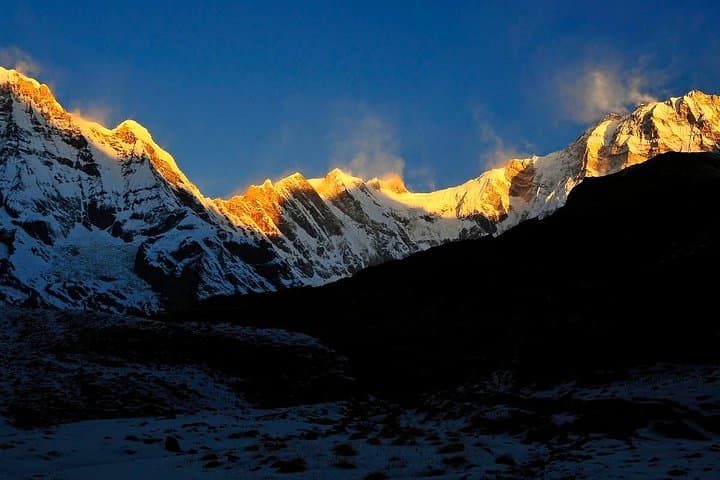
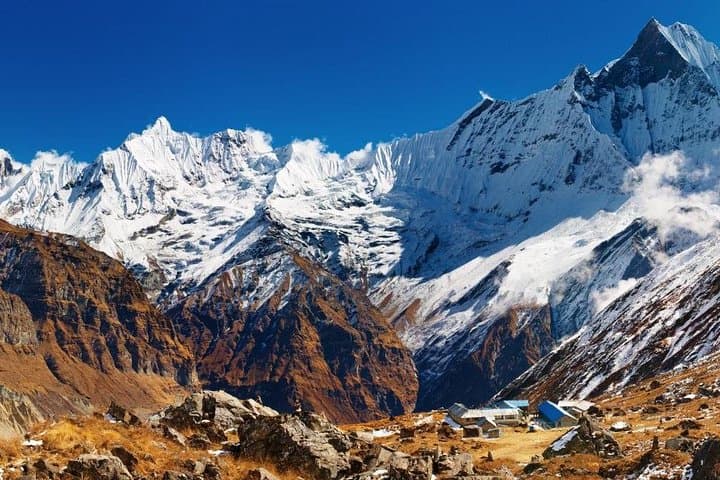
Dawn arrives at Annapurna Base Camp like a slow reveal: first a thin band of light across Machapuchare’s prow, then the massif itself flaring to gold. You stand on moraine beneath jagged ice and a sky so sharp it feels tactile—360-degree peaks press the horizon and the air is thin and honest.
Dawn arrives at Annapurna Base Camp like a slow reveal: first a thin band of light across Machapuchare’s prow, then the massif itself flaring to gold. You stand on moraine beneath jagged ice and a sky so sharp it feels tactile—360-degree peaks press the horizon and the air is thin and honest.
The route threads centuries of Himalayan history: Gurung villages perched on stone terraces, old mule tracks turned into stone staircases, and the Annapurna Sanctuary carved by glaciers and uplifted by tectonic collision. Geologically the valley is a cirque—steep walls funneling weather—and ecologically it moves from subtropical farmland to rhododendron forest to alpine scree. Culturally, teahouses in Ghandruk and Chomrong keep shared stories and simple meals, a living part of the trek.
Practically, expect eight days of steady walking with a summit-day-equivalent to 4,130 m at base camp. Trail surfaces alternate packed earth, long stone steps and exposed scree; suspension bridges and river crossings punctuate ascents. Lodges provide full board but carry a warm sleeping bag and layers—nights at altitude are cold. Acclimatize, sip frequently, keep pace on uphill sections, and allow the guide to manage permits (ACAP/TIMS) and logistics. A hot spring at Jhinu Danda offers a sore-muscle reward on the return.
Best seasons are spring and autumn for stable weather and rhododendron bloom or clear vistas. This is a committed trek: technical skills are minimal, but fitness, respect for altitude, and sound gear make the difference between a hard day and a great one.