THE ADVENTURE COLLECTIVE® · Independent discovery and booking for outdoor travel

A seven-day trek from Pokhara into the Annapurna Sanctuary that mixes towering Himalayan views with village culture and hot-spring recovery. Ideal for trekkers with moderate fitness looking to reach the 4,130 m Base Camp without technical climbing.
A seven-day trek from Pokhara into the Annapurna Sanctuary that mixes towering Himalayan views with village culture and hot-spring recovery. Ideal for trekkers with moderate fitness looking to reach the 4,130 m Base Camp without technical climbing.
The trail opens with Pokhara’s early light peeling off Phewa Lake as you roll toward Nayapul; within hours the valley narrows, rhododendron forests close in, and the mountains begin to dominate the sky. On day one the Modi Khola runs beside the path, daring you forward with its cold, rushing voice. Villages built into terraces appear like stacked stories of daily life—women carrying fodder, children waving, stone houses warming in the sun.
Verified experiences and guided adventures in the surrounding area.
Operated by Snow Peak Tour & Travels · Pokhara, Gandaki Province
The trail opens with Pokhara’s early light peeling off Phewa Lake as you roll toward Nayapul; within hours the valley narrows, rhododendron forests close in, and the mountains begin to dominate the sky. On day one the Modi Khola runs beside the path, daring you forward with its cold, rushing voice. Villages built into terraces appear like stacked stories of daily life—women carrying fodder, children waving, stone houses warming in the sun.
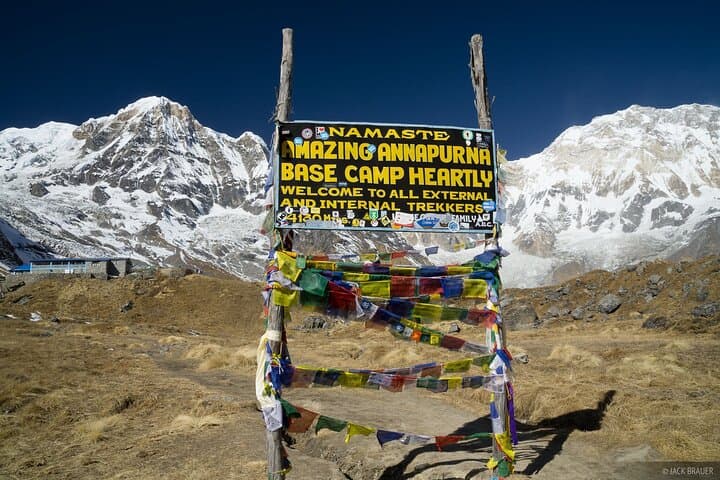
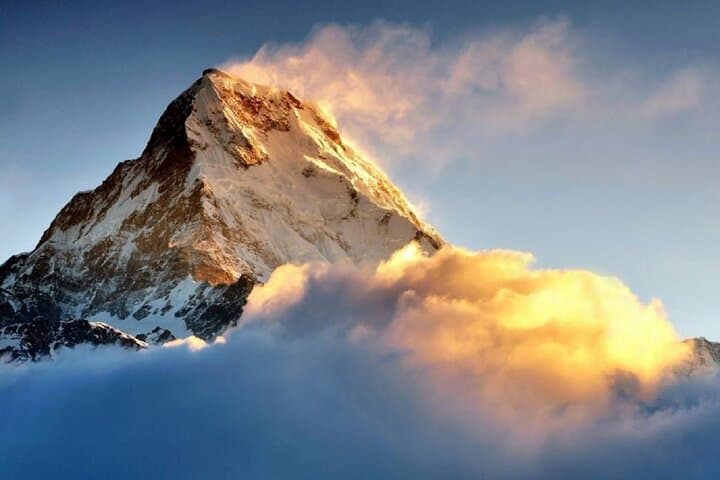
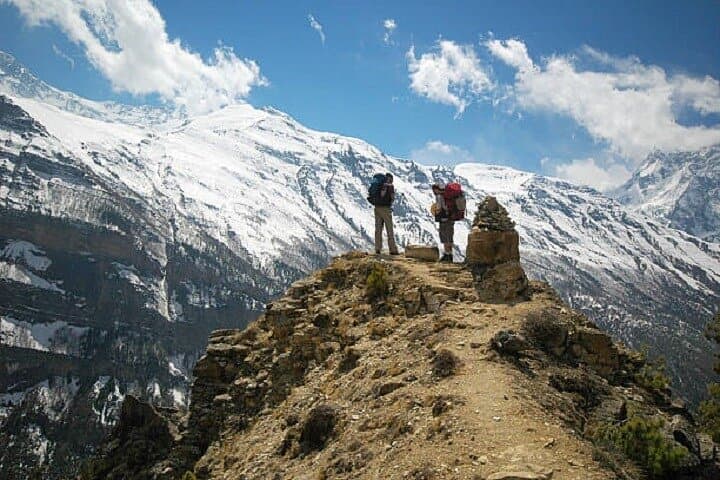
This route crosses traditional Gurung and Magar territory and follows paths used for centuries by traders and pilgrims. Geologically the walk climbs from alluvial valleys into the glacial amphitheater of the Annapurna Sanctuary; the massif’s folded metamorphic rocks and cirque walls frame the Base Camp at about 4,130 m. Cultural touches—prayer flags at ridgelines, teahouse kitchens lit by wood stoves—remind you this is lived-in mountain country, not a wilderness museum.
Practically: expect steep stairways and sustained uphill on days 3–4, basic teahouse accommodation, and thinner air above 3,000 m. Pace your ascent, hydrate, and favor slow, steady steps to the Base Camp lookout; mornings and evenings bring the best light and the coldest temperatures. Jhinudanda’s hot springs on the descent reward tired legs and provide a practical incentive for recovery. Pack layered clothing, a warm sleeping bag rated to at least -5°C, and sturdy boots. With experienced guides and permits handled, this seven-day loop balances alpine exposure with cultural contact—big mountain scenery earned at a human pace.
challenging.
7 days.
Suitable for hikers with regular cardio fitness and experience on multi-day trails; able to hike 5–7 hours daily and manage altitude gain.
Local, registered guides are recommended and usually provided; they handle permits, route decisions, and altitude pacing—trail markings exist but fog or snow can obscure them.
The trek reaches 4,130 m, so mild altitude symptoms are possible; gradual ascent, hydration, and communicating symptoms to your guide are essential—descend if severe signs appear.
Basic lodges with shared rooms, simple meals, and squat or western toilets in larger stops; expect limited hot water and electricity in higher villages.
Yes—the itinerary stops at Jhinudanda where public hot springs offer a soak; facilities are rustic but therapeutic after long days.
The Annapurna region has long been home to Gurung and Magar communities and became globally famous after mid-20th-century mountaineering; trekking routes evolved from trade paths into modern trails.
The Annapurna Conservation Area regulates permits and community-run initiatives; stick to trails, pack out waste, and support local teahouses to reduce footprint.
Snow Peak Tour & Travels operates guided outdoor trips and adventures with an emphasis on safety, stewardship, and memorable experiences.
The trail opens with Pokhara’s early light peeling off Phewa Lake as you roll toward Nayapul; within hours the valley narrows, rhododendron forests close in, and the mountains begin to dominate the sky. On day one the Modi Khola runs beside the path, daring you forward with its cold, rushing voice. Villages built into terraces appear like stacked stories of daily life—women carrying fodder, children waving, stone houses warming in the sun.
The trail opens with Pokhara’s early light peeling off Phewa Lake as you roll toward Nayapul; within hours the valley narrows, rhododendron forests close in, and the mountains begin to dominate the sky. On day one the Modi Khola runs beside the path, daring you forward with its cold, rushing voice. Villages built into terraces appear like stacked stories of daily life—women carrying fodder, children waving, stone houses warming in the sun.
This route crosses traditional Gurung and Magar territory and follows paths used for centuries by traders and pilgrims. Geologically the walk climbs from alluvial valleys into the glacial amphitheater of the Annapurna Sanctuary; the massif’s folded metamorphic rocks and cirque walls frame the Base Camp at about 4,130 m. Cultural touches—prayer flags at ridgelines, teahouse kitchens lit by wood stoves—remind you this is lived-in mountain country, not a wilderness museum.
Practically: expect steep stairways and sustained uphill on days 3–4, basic teahouse accommodation, and thinner air above 3,000 m. Pace your ascent, hydrate, and favor slow, steady steps to the Base Camp lookout; mornings and evenings bring the best light and the coldest temperatures. Jhinudanda’s hot springs on the descent reward tired legs and provide a practical incentive for recovery. Pack layered clothing, a warm sleeping bag rated to at least -5°C, and sturdy boots. With experienced guides and permits handled, this seven-day loop balances alpine exposure with cultural contact—big mountain scenery earned at a human pace.