THE ADVENTURE COLLECTIVE® · Independent discovery and booking for outdoor travel

A classic high-altitude trek that moves from lush Pokhara foothills through rhododendron forests to the glacial bowl of Annapurna Base Camp. Expect steep stone steps, teahouse nights, altitude challenges and unforgettable sunrise views from Poon Hill.
A classic high-altitude trek that moves from lush Pokhara foothills through rhododendron forests to the glacial bowl of Annapurna Base Camp. Expect steep stone steps, teahouse nights, altitude challenges and unforgettable sunrise views from Poon Hill.
A thin light lifts over terraced fields as you leave Pokhara and the road noise behind, stepping into a trail that tightens into stone staircases and rhododendron-swept forests.
The route climbs through Ghorepani and Poon Hill—prime places to watch the Annapurna and Dhaulagiri ranges throw back the sunrise—then threads steep river valleys, suspension bridges and villages of the Gurung and Magar people before opening into the glacial amphitheater of Annapurna Base Camp (4,130 m), where peaks press close and the wind keeps time.
The Annapurna massif is geologically young: uplifted Tibetan plateaus and moraine-shaped valleys give sharp ridgelines and mixed rock faces. Human history on these slopes is a story of trade routes and hill agriculture; teahouses and stone villages like Chhomrong grew to support porters and pilgrims. The trek crosses the Annapurna Conservation Area (ACAP), a model for community-based conservation that balances grazing, tourism and forest protection.
Expect varied terrain—packed dirt, thousands of steps, occasional snowfields near Deurali and ABC—and daily gains and losses of 600–1,200 m on multi-hour walking days. Permits (ACAP, TIMS), an experienced guide and gradual acclimatization are essential. Pack layers for big temperature swings, bring sun protection for high, exposed passes, and allow extra days for weather or altitude pauses. Hot springs at Jhinu Danda and the Poon Hill sunrise are practical highlights: plan arrival times to avoid crowds. With steady pacing, proper gear and respect for altitude, this classic Himalayan trek delivers close-up mountain drama and an honest sense of wilderness.
Verified experiences and guided adventures in the surrounding area.
Operated by Vyas Treks & Expedition · Pokhara, Gandaki Province
A thin light lifts over terraced fields as you leave Pokhara and the road noise behind, stepping into a trail that tightens into stone staircases and rhododendron-swept forests.
The route climbs through Ghorepani and Poon Hill—prime places to watch the Annapurna and Dhaulagiri ranges throw back the sunrise—then threads steep river valleys, suspension bridges and villages of the Gurung and Magar people before opening into the glacial amphitheater of Annapurna Base Camp (4,130 m), where peaks press close and the wind keeps time.
The Annapurna massif is geologically young: uplifted Tibetan plateaus and moraine-shaped valleys give sharp ridgelines and mixed rock faces. Human history on these slopes is a story of trade routes and hill agriculture; teahouses and stone villages like Chhomrong grew to support porters and pilgrims. The trek crosses the Annapurna Conservation Area (ACAP), a model for community-based conservation that balances grazing, tourism and forest protection.
Expect varied terrain—packed dirt, thousands of steps, occasional snowfields near Deurali and ABC—and daily gains and losses of 600–1,200 m on multi-hour walking days. Permits (ACAP, TIMS), an experienced guide and gradual acclimatization are essential. Pack layers for big temperature swings, bring sun protection for high, exposed passes, and allow extra days for weather or altitude pauses. Hot springs at Jhinu Danda and the Poon Hill sunrise are practical highlights: plan arrival times to avoid crowds. With steady pacing, proper gear and respect for altitude, this classic Himalayan trek delivers close-up mountain drama and an honest sense of wilderness.
challenging.
12–16 days.
Good cardiovascular fitness with experience on multi-day hikes; ability to handle sustained ascents and altitude.
Yes. You must carry an ACAP permit and a TIMS card; these are typically arranged before or at the trailhead through your operator.
ABC sits around 4,130 m; altitude sickness is a risk—ascend slowly, hydrate, and add acclimatization days or descend if symptoms appear.
Yes. The trek uses teahouse accommodation with basic meals; in peak season book early for rooms and expect simpler facilities at higher stops.
Yes. Many operators offer optional Chitwan extensions for lowland wildlife activities after the trek; plan extra days for travel and bookings.
The Annapurna region has long been a trans-Himalayan trade and pastoral area; villages evolved around portering, agriculture and cultural exchange between Gurung, Magar and Tibetan routes.
The Annapurna Conservation Area (ACAP) combines community stewardship with visitor permits to limit environmental impact and support local livelihoods.
Vyas Treks & Expedition operates guided outdoor trips and adventures with an emphasis on safety, stewardship, and memorable experiences.
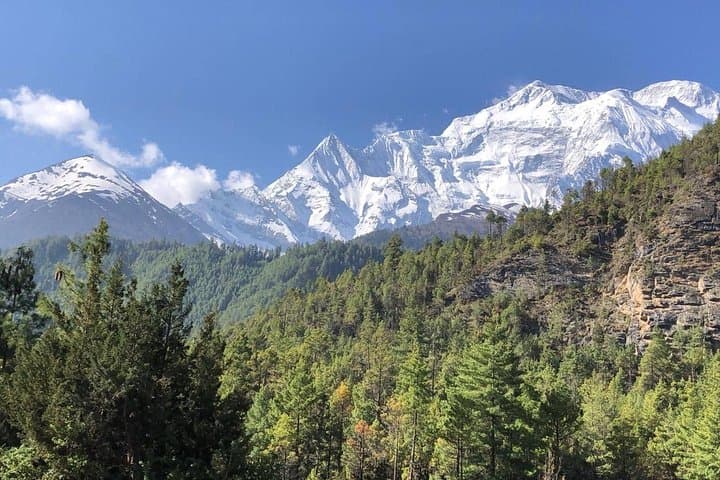

A thin light lifts over terraced fields as you leave Pokhara and the road noise behind, stepping into a trail that tightens into stone staircases and rhododendron-swept forests.
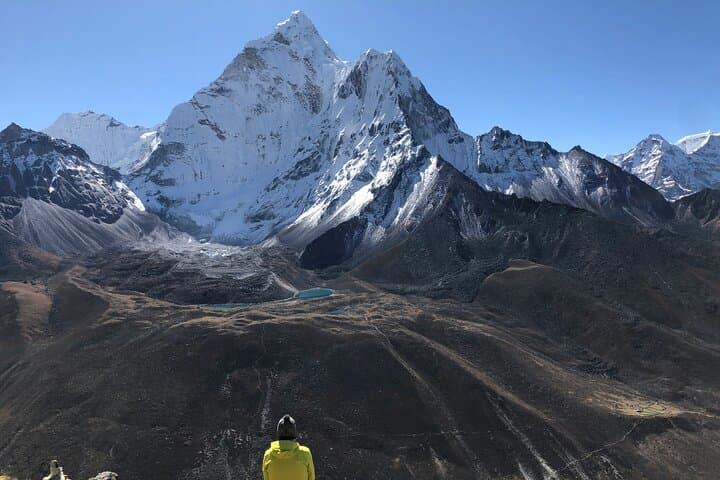
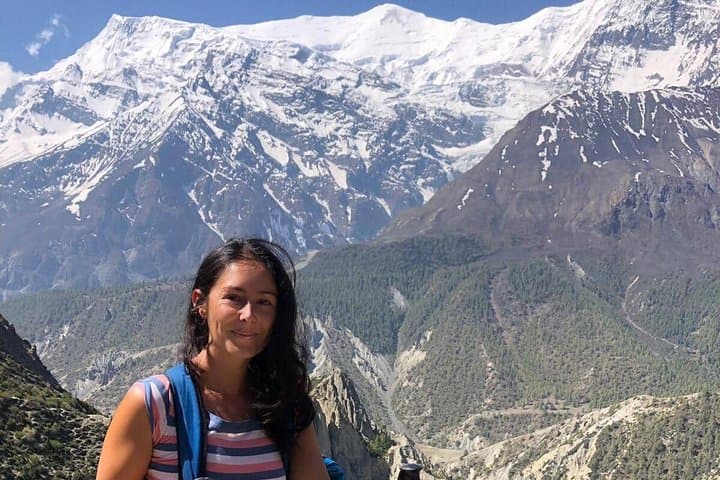
The route climbs through Ghorepani and Poon Hill—prime places to watch the Annapurna and Dhaulagiri ranges throw back the sunrise—then threads steep river valleys, suspension bridges and villages of the Gurung and Magar people before opening into the glacial amphitheater of Annapurna Base Camp (4,130 m), where peaks press close and the wind keeps time.
The Annapurna massif is geologically young: uplifted Tibetan plateaus and moraine-shaped valleys give sharp ridgelines and mixed rock faces. Human history on these slopes is a story of trade routes and hill agriculture; teahouses and stone villages like Chhomrong grew to support porters and pilgrims. The trek crosses the Annapurna Conservation Area (ACAP), a model for community-based conservation that balances grazing, tourism and forest protection.
Expect varied terrain—packed dirt, thousands of steps, occasional snowfields near Deurali and ABC—and daily gains and losses of 600–1,200 m on multi-hour walking days. Permits (ACAP, TIMS), an experienced guide and gradual acclimatization are essential. Pack layers for big temperature swings, bring sun protection for high, exposed passes, and allow extra days for weather or altitude pauses. Hot springs at Jhinu Danda and the Poon Hill sunrise are practical highlights: plan arrival times to avoid crowds. With steady pacing, proper gear and respect for altitude, this classic Himalayan trek delivers close-up mountain drama and an honest sense of wilderness.
A thin light lifts over terraced fields as you leave Pokhara and the road noise behind, stepping into a trail that tightens into stone staircases and rhododendron-swept forests.
The route climbs through Ghorepani and Poon Hill—prime places to watch the Annapurna and Dhaulagiri ranges throw back the sunrise—then threads steep river valleys, suspension bridges and villages of the Gurung and Magar people before opening into the glacial amphitheater of Annapurna Base Camp (4,130 m), where peaks press close and the wind keeps time.
The Annapurna massif is geologically young: uplifted Tibetan plateaus and moraine-shaped valleys give sharp ridgelines and mixed rock faces. Human history on these slopes is a story of trade routes and hill agriculture; teahouses and stone villages like Chhomrong grew to support porters and pilgrims. The trek crosses the Annapurna Conservation Area (ACAP), a model for community-based conservation that balances grazing, tourism and forest protection.
Expect varied terrain—packed dirt, thousands of steps, occasional snowfields near Deurali and ABC—and daily gains and losses of 600–1,200 m on multi-hour walking days. Permits (ACAP, TIMS), an experienced guide and gradual acclimatization are essential. Pack layers for big temperature swings, bring sun protection for high, exposed passes, and allow extra days for weather or altitude pauses. Hot springs at Jhinu Danda and the Poon Hill sunrise are practical highlights: plan arrival times to avoid crowds. With steady pacing, proper gear and respect for altitude, this classic Himalayan trek delivers close-up mountain drama and an honest sense of wilderness.