THE ADVENTURE COLLECTIVE® · Independent discovery and booking for outdoor travel

Follow stone staircases and rhododendron forests up to the broad amphitheater of Annapurna Base Camp. This classic ABC route from Pokhara combines high-altitude vistas, regional culture, and practical teahouse trekking across ACAP.
Follow stone staircases and rhododendron forests up to the broad amphitheater of Annapurna Base Camp. This classic ABC route from Pokhara combines high-altitude vistas, regional culture, and practical teahouse trekking across ACAP.
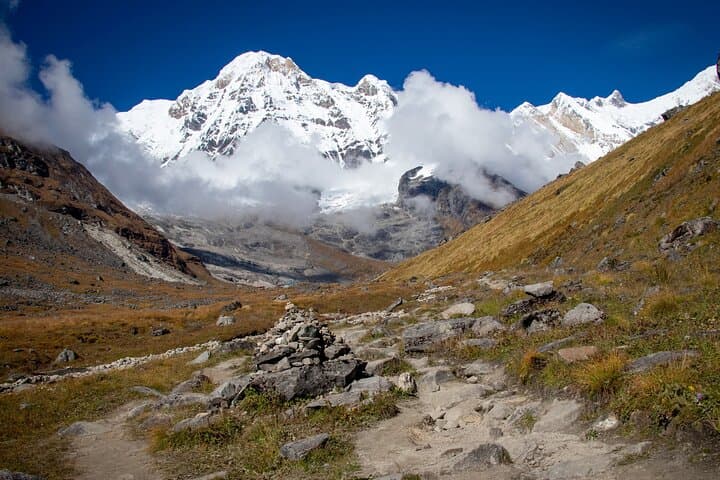
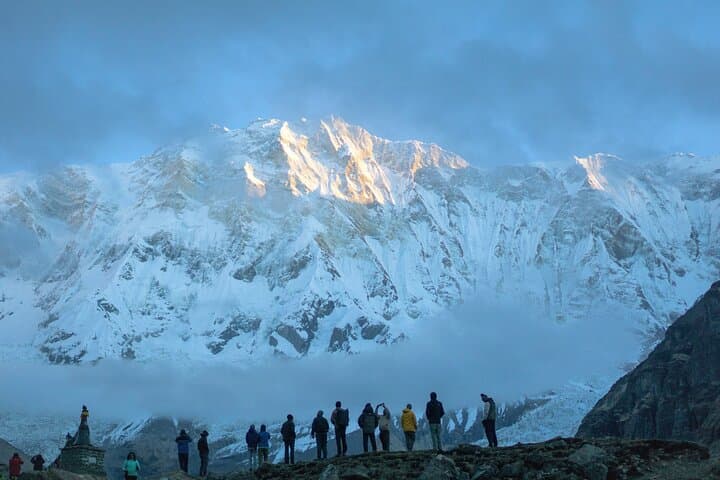
Dawn breaks over the Annapurna Sanctuary and the first rays pry open a ring of jagged peaks. Your breath fogs in the cold air as the trail climbs out of rhododendron forest and into a wide, glacial amphitheater—the ringed bowl that is Annapurna Base Camp (ABC), sitting at roughly 4,100–4,130 m with Annapurna I and Machapuchare looming overhead.
Verified experiences and guided adventures in the surrounding area.
Operated by Alfresco Adventure Travel · Pokhara, Gandaki Province
Dawn breaks over the Annapurna Sanctuary and the first rays pry open a ring of jagged peaks. Your breath fogs in the cold air as the trail climbs out of rhododendron forest and into a wide, glacial amphitheater—the ringed bowl that is Annapurna Base Camp (ABC), sitting at roughly 4,100–4,130 m with Annapurna I and Machapuchare looming overhead.
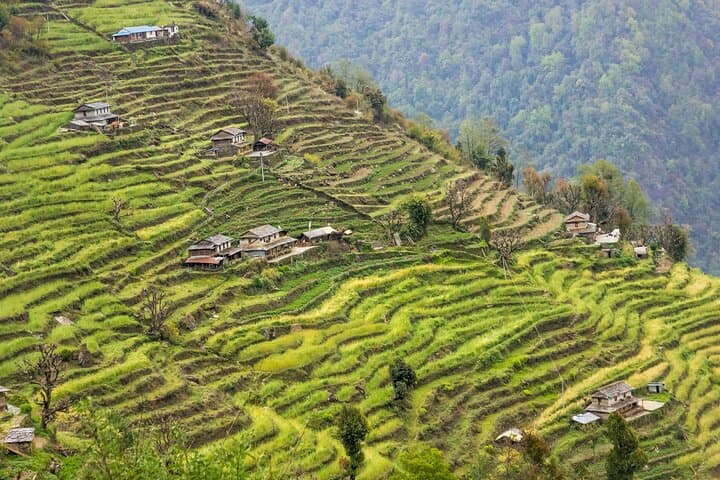
The route you follow threads ancient trade paths used by Gurung and Magar communities. The Annapurna Conservation Area (ACAP), established to protect unique alpine ecology, cradles terraces, rhododendron slopes and moraine-carved valleys shaped by Pleistocene glaciers. Teahouses along the way reflect a living culture: wood-carved doors, local dal-bhat, and hospitality honed for generations of trekkers.
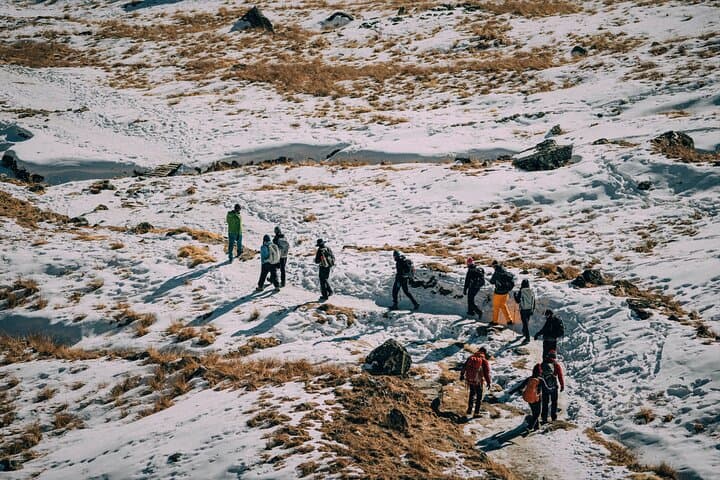
Expect 6–7 hour walking days on a mix of stone staircases, packed-earth trails and occasional scree. Altitude is the real technical factor—your body, not the trail, dictates pace. The finish offers panoramic windows: Dhaulagiri in the west, Annapurna range at center, and Manaslu to the east on clear days.
Practical edge: plan acclimatization days (Ghorepani/Poon Hill helps), carry layers for sudden wind and snow, and budget for permits (TIMS and ACAP fees) and porter support if desired. Spring (March–May) and fall (Sept–Nov) are prime for weather and views; monsoon months challenge visibility and trail conditions.
This is a classic high-altitude trek—rewarding vistas, cultural immersion, and a firm requirement for sensible pacing, reliable footwear, and respect for the mountain environment.
challenging.
10–15 days.
Good cardiovascular fitness with prior multi-day hiking experience; comfortable with long days and altitude gain.
Yes—trekkers must carry a TIMS card and pay the Annapurna Conservation Area Project (ACAP) entry fee; your operator usually handles these.
Spring (March–May) and autumn (September–November) offer the most stable weather and best mountain visibility.
Physically demanding due to altitude and long walking days; first-timers should prepare with conditioning hikes and allow time for acclimatization.
Yes—basic teahouses provide dorms or twin rooms and meals, but facilities become simpler higher on the trail and during peak season they fill fast.
The Annapurna Sanctuary route follows traditional trade and grazing paths used by Gurung and Magar communities; ACAP was created in the 1980s to balance tourism and conservation.
Visitors should stick to marked trails, avoid single-use plastics, and support ACAP entry fees that fund local education and trail maintenance.
Alfresco Adventure Travel operates guided outdoor trips and adventures with an emphasis on safety, stewardship, and memorable experiences.
Dawn breaks over the Annapurna Sanctuary and the first rays pry open a ring of jagged peaks. Your breath fogs in the cold air as the trail climbs out of rhododendron forest and into a wide, glacial amphitheater—the ringed bowl that is Annapurna Base Camp (ABC), sitting at roughly 4,100–4,130 m with Annapurna I and Machapuchare looming overhead.
Dawn breaks over the Annapurna Sanctuary and the first rays pry open a ring of jagged peaks. Your breath fogs in the cold air as the trail climbs out of rhododendron forest and into a wide, glacial amphitheater—the ringed bowl that is Annapurna Base Camp (ABC), sitting at roughly 4,100–4,130 m with Annapurna I and Machapuchare looming overhead.
The route you follow threads ancient trade paths used by Gurung and Magar communities. The Annapurna Conservation Area (ACAP), established to protect unique alpine ecology, cradles terraces, rhododendron slopes and moraine-carved valleys shaped by Pleistocene glaciers. Teahouses along the way reflect a living culture: wood-carved doors, local dal-bhat, and hospitality honed for generations of trekkers.
Expect 6–7 hour walking days on a mix of stone staircases, packed-earth trails and occasional scree. Altitude is the real technical factor—your body, not the trail, dictates pace. The finish offers panoramic windows: Dhaulagiri in the west, Annapurna range at center, and Manaslu to the east on clear days.
Practical edge: plan acclimatization days (Ghorepani/Poon Hill helps), carry layers for sudden wind and snow, and budget for permits (TIMS and ACAP fees) and porter support if desired. Spring (March–May) and fall (Sept–Nov) are prime for weather and views; monsoon months challenge visibility and trail conditions.
This is a classic high-altitude trek—rewarding vistas, cultural immersion, and a firm requirement for sensible pacing, reliable footwear, and respect for the mountain environment.