THE ADVENTURE COLLECTIVE® · Independent discovery and booking for outdoor travel

A 15‑day classic through rhododendron forests, Poon Hill sunrises, and the amphitheater of Annapurna Base Camp. This guide covers what to expect on trail, cultural context, and practical tips for altitude and teahouse logistics.
A 15‑day classic through rhododendron forests, Poon Hill sunrises, and the amphitheater of Annapurna Base Camp. This guide covers what to expect on trail, cultural context, and practical tips for altitude and teahouse logistics.
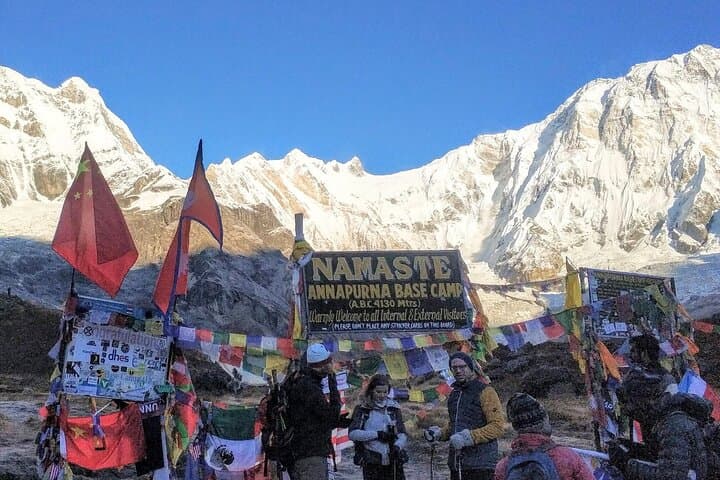
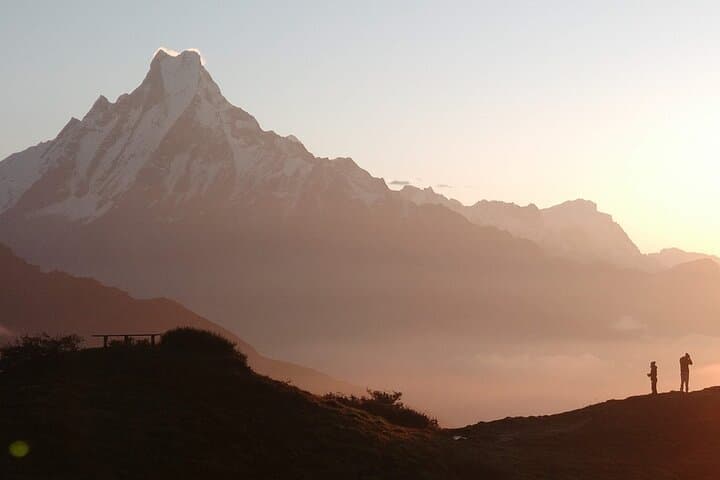
Fog thins above a stone stairway and the first light reveals serrated ridgelines—Annapurna South, Machhapuchhre, Dhaulagiri—each peak asserting itself into the cold air. Trekkers shoulder daypacks, step through rhododendron forests, cross suspension bridges over rivers daring you to hurry, and settle into wood‑fired teahouses where steaming dal bhat replaces the day’s fatigue.
Verified experiences and guided adventures in the surrounding area.
Operated by Alpine Luxury Treks Pvt Ltd · Pokhara, Gandaki Province
Fog thins above a stone stairway and the first light reveals serrated ridgelines—Annapurna South, Machhapuchhre, Dhaulagiri—each peak asserting itself into the cold air. Trekkers shoulder daypacks, step through rhododendron forests, cross suspension bridges over rivers daring you to hurry, and settle into wood‑fired teahouses where steaming dal bhat replaces the day’s fatigue.
The route threads into the Annapurna Sanctuary, a glacial amphitheater formed by Himalayan uplift and centuries of alpine weathering. Local Gurung and Magar villages punctuate the trail: stone houses, prayer flags, and oral histories of pilgrimage and mountain reverence. Poon Hill’s sunrise is a long‑held ritual for trekkers and photographers; below, hot springs at Jhinu Danda offer a simple, earned recovery.
Expect daily walks of 4–8 hours through mixed terrain—stone steps, steep ascents to passes, and glacier‑fed moraines near base camp. Teahouse accommodation keeps logistics minimal but requires flexibility: rooms are basic and altitude can slow appetite and sleep.
Practically, acclimatization is the priority: plan gradual gains, schedule a rest day or the Poon Hill ascent, and monitor for AMS symptoms. Carry layered clothing, a warm sleeping liner (often provided), and a reliable water treatment system—water sources are plentiful but not guaranteed potable. Start early to avoid afternoon clouds and keep a small first‑aid kit and cash for tea and battery charges in remote villages. With fitness and respect for altitude, the Annapurna Base Camp trek delivers raw Himalayan close‑ups and a tangible sense of place rooted in mountain life.
challenging.
14–15 days.
Good cardiovascular fitness and experience with multi‑day hikes; able to hike 4–8 hours per day carrying a light daypack.
Yes—trekkers require an Annapurna Conservation Area Project (ACAP) permit and a TIMS card; tour organizers usually arrange permits before departure.
Fall (Sept–Nov) and spring (Apr–May) offer the best balance of stable weather and views; monsoon and winter bring more rain or snow and lower visibility.
Teahouses are basic: shared or private rooms with simple bedding, communal dining, and limited hot water; they are functional rather than luxurious.
Altitude illness is a real risk above ~3,000 m; the itinerary includes gradual ascent and acclimatization, but trekkers must monitor symptoms and be prepared to descend if needed.
The Annapurna massif has long been part of local pilgrimage routes; Gurung and Magar communities have guided travelers and shepherded alpine pastures for generations.
The trek passes through the Annapurna Conservation Area where park fees fund trail maintenance and community projects—minimize waste, avoid single‑use plastics, and respect local water sources.
Alpine Luxury Treks Pvt Ltd operates guided outdoor trips and adventures with an emphasis on safety, stewardship, and memorable experiences.
Fog thins above a stone stairway and the first light reveals serrated ridgelines—Annapurna South, Machhapuchhre, Dhaulagiri—each peak asserting itself into the cold air. Trekkers shoulder daypacks, step through rhododendron forests, cross suspension bridges over rivers daring you to hurry, and settle into wood‑fired teahouses where steaming dal bhat replaces the day’s fatigue.
Fog thins above a stone stairway and the first light reveals serrated ridgelines—Annapurna South, Machhapuchhre, Dhaulagiri—each peak asserting itself into the cold air. Trekkers shoulder daypacks, step through rhododendron forests, cross suspension bridges over rivers daring you to hurry, and settle into wood‑fired teahouses where steaming dal bhat replaces the day’s fatigue.
The route threads into the Annapurna Sanctuary, a glacial amphitheater formed by Himalayan uplift and centuries of alpine weathering. Local Gurung and Magar villages punctuate the trail: stone houses, prayer flags, and oral histories of pilgrimage and mountain reverence. Poon Hill’s sunrise is a long‑held ritual for trekkers and photographers; below, hot springs at Jhinu Danda offer a simple, earned recovery.
Expect daily walks of 4–8 hours through mixed terrain—stone steps, steep ascents to passes, and glacier‑fed moraines near base camp. Teahouse accommodation keeps logistics minimal but requires flexibility: rooms are basic and altitude can slow appetite and sleep.
Practically, acclimatization is the priority: plan gradual gains, schedule a rest day or the Poon Hill ascent, and monitor for AMS symptoms. Carry layered clothing, a warm sleeping liner (often provided), and a reliable water treatment system—water sources are plentiful but not guaranteed potable. Start early to avoid afternoon clouds and keep a small first‑aid kit and cash for tea and battery charges in remote villages. With fitness and respect for altitude, the Annapurna Base Camp trek delivers raw Himalayan close‑ups and a tangible sense of place rooted in mountain life.