THE ADVENTURE COLLECTIVE® · Independent discovery and booking for outdoor travel

A classic 10–11 day trek into the Annapurna Sanctuary, ending at ABC (4,130 m). Expect stone stairways, rhododendron forests, high‑alpine exposure and close-up views of Annapurna and Machhapuchhre.
A classic 10–11 day trek into the Annapurna Sanctuary, ending at ABC (4,130 m). Expect stone stairways, rhododendron forests, high‑alpine exposure and close-up views of Annapurna and Machhapuchhre.
You step out before dawn onto a stone stairway that climbs through rhododendron and bamboo, the cold air pulling at your breath as peaks sharpen in the east. By midweek the trail narrows into the amphitheater of the Annapurna Sanctuary; at 4,130 m the base camp opens like a stony bowl with Annapurna I and Machhapuchhre towering above, glaciers and wind-scoured ridgelines daring you to stay silent.
Verified experiences and guided adventures in the surrounding area.
Operated by Naata Trek and Tours · Pokhara, Gandaki Province
You step out before dawn onto a stone stairway that climbs through rhododendron and bamboo, the cold air pulling at your breath as peaks sharpen in the east. By midweek the trail narrows into the amphitheater of the Annapurna Sanctuary; at 4,130 m the base camp opens like a stony bowl with Annapurna I and Machhapuchhre towering above, glaciers and wind-scoured ridgelines daring you to stay silent.
The route follows age-old shepherd and trade tracks through Gurung villages such as Ghandruk, where local culture and a small museum speak to the area's human history. Geologically this is a young, folded Himalayan range: steep valleys, moraine-scarred riverbeds and jagged granite faces. The Annapurna Conservation Area (est. 1986) manages permits (ACAP/TIMS) and protects alpine meadows and rhododendron zones.
Expect varied terrain: long stone staircases, slippery river crossings, narrow ridgelines and the broad, stony floor of the sanctuary. Daily gain ranges from easy valley walks to demanding 700–1,000 m pushes on summit days; the highest overnight is at ABC, ~4,130 m. Acclimatization, steady pacing and hydration are non-negotiable—altitude, not distance, is the primary hazard.
Practical guidance: plan spring (Mar–May) or autumn (Sep–Nov) for stable weather; carry layered insulation and a good pair of broken-in boots; use trekking poles for steps and descents. Local guesthouses and tented camps provide meals and basic hot water; porter service is commonly available (often 1 porter per 2 trekkers). With preparation, the classic Annapurna Base Camp trek delivers big mountain exposure, living cultural encounters and a compact, high-alpine payoff.
challenging.
10–11 days.
Good aerobic fitness with experience on multi-day hikes; ability to hike 5–7 hours daily with pack is recommended
You need the Annapurna Conservation Area Permit (ACAP) and TIMS; many operators include them in the package.
The trail is physically demanding due to altitude gains to ~4,130 m; steady acclimatization and pacing reduce AMS risk.
Spring (March–May) and autumn (September–November) offer the most stable weather and clear mountain views.
Yes—teahouses and guesthouses operate along the trail; at ABC you’ll often stay in tented camps provided by operators.
The Annapurna region became Nepal’s first conservation area under ACAP in the mid-1980s to protect alpine landscapes and support sustainable tourism.
Permits, regulated trekking routes and community-run teahouses help manage visitor impact—carry out waste, avoid single-use plastics and support local businesses.
Naata Trek and Tours operates guided outdoor trips and adventures with an emphasis on safety, stewardship, and memorable experiences.
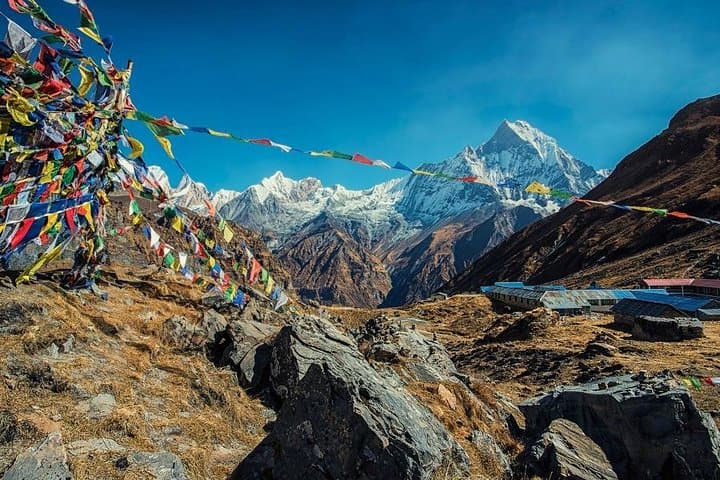
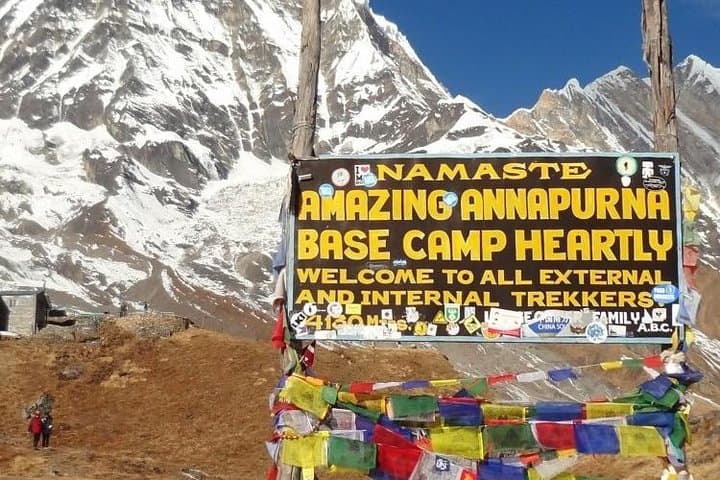
You step out before dawn onto a stone stairway that climbs through rhododendron and bamboo, the cold air pulling at your breath as peaks sharpen in the east. By midweek the trail narrows into the amphitheater of the Annapurna Sanctuary; at 4,130 m the base camp opens like a stony bowl with Annapurna I and Machhapuchhre towering above, glaciers and wind-scoured ridgelines daring you to stay silent.
You step out before dawn onto a stone stairway that climbs through rhododendron and bamboo, the cold air pulling at your breath as peaks sharpen in the east. By midweek the trail narrows into the amphitheater of the Annapurna Sanctuary; at 4,130 m the base camp opens like a stony bowl with Annapurna I and Machhapuchhre towering above, glaciers and wind-scoured ridgelines daring you to stay silent.
The route follows age-old shepherd and trade tracks through Gurung villages such as Ghandruk, where local culture and a small museum speak to the area's human history. Geologically this is a young, folded Himalayan range: steep valleys, moraine-scarred riverbeds and jagged granite faces. The Annapurna Conservation Area (est. 1986) manages permits (ACAP/TIMS) and protects alpine meadows and rhododendron zones.
Expect varied terrain: long stone staircases, slippery river crossings, narrow ridgelines and the broad, stony floor of the sanctuary. Daily gain ranges from easy valley walks to demanding 700–1,000 m pushes on summit days; the highest overnight is at ABC, ~4,130 m. Acclimatization, steady pacing and hydration are non-negotiable—altitude, not distance, is the primary hazard.
Practical guidance: plan spring (Mar–May) or autumn (Sep–Nov) for stable weather; carry layered insulation and a good pair of broken-in boots; use trekking poles for steps and descents. Local guesthouses and tented camps provide meals and basic hot water; porter service is commonly available (often 1 porter per 2 trekkers). With preparation, the classic Annapurna Base Camp trek delivers big mountain exposure, living cultural encounters and a compact, high-alpine payoff.