THE ADVENTURE COLLECTIVE® · Independent discovery and booking for outdoor travel

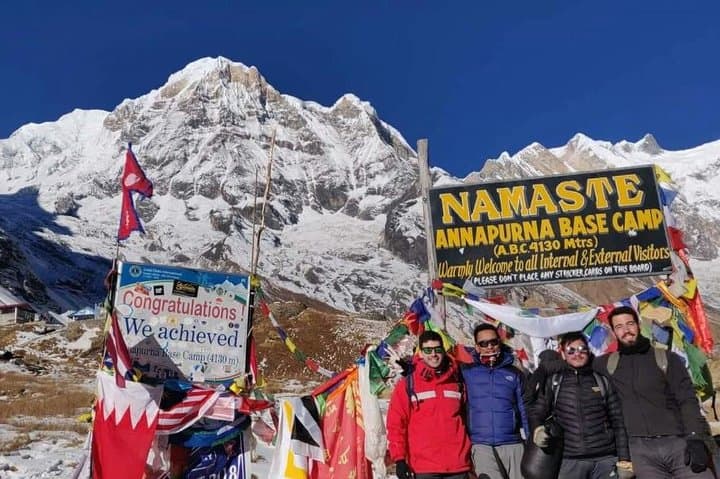
A compact 9‑day itinerary takes you from Pokhara’s foothills to the glacial amphitheater of Annapurna Base Camp (4,095 m). Expect tea‑house comfort, steep stone steps, and sunrise that rearranges the Himalayan skyline.
A compact 9‑day itinerary takes you from Pokhara’s foothills to the glacial amphitheater of Annapurna Base Camp (4,095 m). Expect tea‑house comfort, steep stone steps, and sunrise that rearranges the Himalayan skyline.
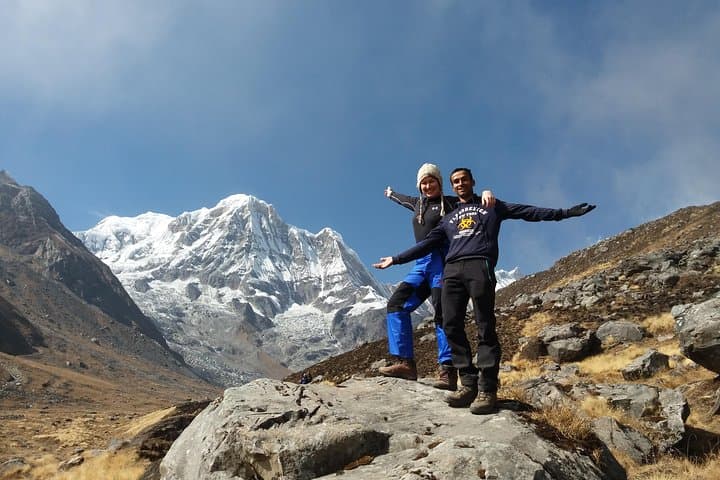
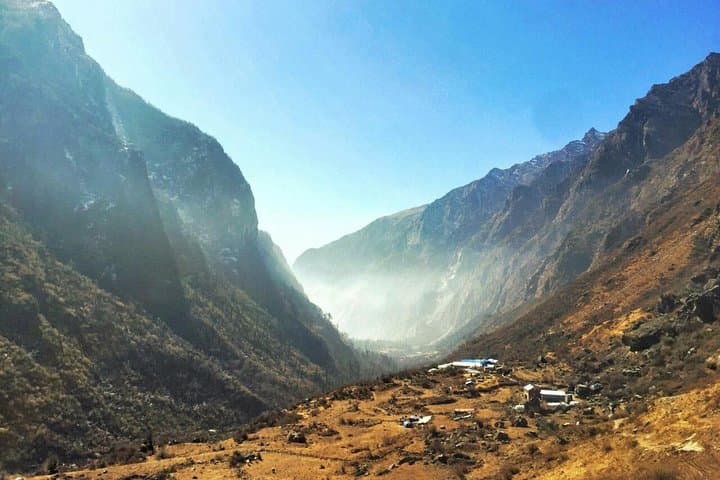
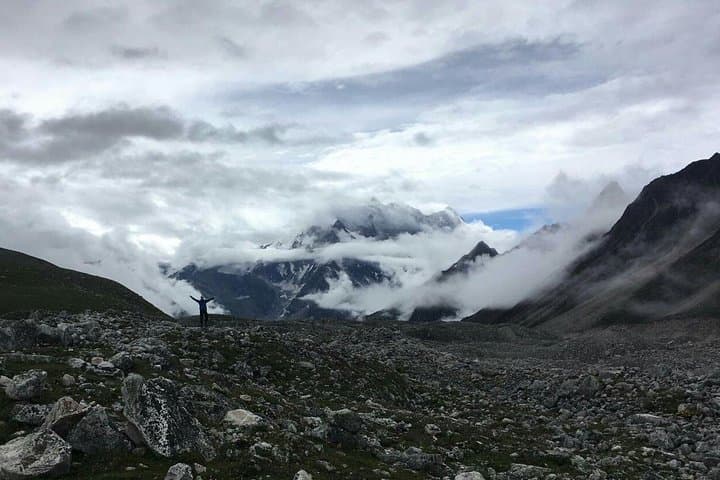
Morning light cuts the Annapurna ridge like a blade as you step off the trail toward the Sanctuary. The route climbs out of Pokhara’s green hills, through Gurung villages and rhododendron forests, and finally onto the stony bowl of the Annapurna Sanctuary where Annapurna South, Hiunchuli and the iconic Machhapuchhre (Fishtail) tower overhead.
Verified experiences and guided adventures in the surrounding area.
Operated by NEPAL LION TOURS AND TREKS PVT LTD · Pokhara, Gandaki Province
Morning light cuts the Annapurna ridge like a blade as you step off the trail toward the Sanctuary. The route climbs out of Pokhara’s green hills, through Gurung villages and rhododendron forests, and finally onto the stony bowl of the Annapurna Sanctuary where Annapurna South, Hiunchuli and the iconic Machhapuchhre (Fishtail) tower overhead.
This classic 9-day itinerary follows established tea-house trails: drive to Pokhara (6–7 hours), trek from Phedi through Dhampus and Chhomrong, pass Machhapuchhre Base Camp (3,720 m) and reach Annapurna Base Camp (approx. 4,095 m). Geologically the Sanctuary is a glacial cirque carved by ancient ice; valleys funnel wind and snowfall, and the Modi Khola drains the basin. Culturally the trail threads Gurung and Magar villages where mani stones, stupas and terraced fields mark daily life.
Practical guidance: plan gradual ascents and allow time for acclimatization—altitude is the limiting factor rather than technical difficulty. Expect 4–7 hours of walking on most days over mixed terrain: village steps, forest tracks, rocky switchbacks and alpine scree above treeline. Tea houses provide simple meals and beds, but carry cash and small-denomination Nepali rupees; plumbing is basic. Permits (ACAP/TIMS) are required and are typically arranged by operators. Bring layered clothing, a down jacket or warm kit for nights above 3,000 m, and a headlamp for early starts. Hydration, sun protection, and a conservative pace on summit-day approaches make the difference between a memorable summit sunrise and a forced retreat.
challenging.
9 days.
Requires good cardiovascular fitness and endurance for consecutive days of ascent and descent at altitude.
Yes—Annapurna Conservation Area Permit (ACAP) and TIMS are required; reputable operators typically arrange these before or at the trailhead.
The route is non‑technical but physically demanding due to long days, sustained elevation gain and high camp elevations up to ~4,095 m.
Yes, this popular trail has tea houses on the standard route offering basic meals and beds, though amenities get spartan above 3,000 m.
Fall (Sept–Nov) and spring (Mar–May) give the best combination of stable weather, clear views and comfortable trekking conditions.
The trail passes Gurung and Magar villages—ethnic groups long connected to Himalayan trade and British‑era military recruitment (Gurkhas).
The Annapurna Conservation Area manages permits and local tourism income; stick to marked trails, pack out trash and respect local religious sites to reduce impact.
NEPAL LION TOURS AND TREKS PVT LTD operates guided outdoor trips and adventures with an emphasis on safety, stewardship, and memorable experiences.
Morning light cuts the Annapurna ridge like a blade as you step off the trail toward the Sanctuary. The route climbs out of Pokhara’s green hills, through Gurung villages and rhododendron forests, and finally onto the stony bowl of the Annapurna Sanctuary where Annapurna South, Hiunchuli and the iconic Machhapuchhre (Fishtail) tower overhead.
Morning light cuts the Annapurna ridge like a blade as you step off the trail toward the Sanctuary. The route climbs out of Pokhara’s green hills, through Gurung villages and rhododendron forests, and finally onto the stony bowl of the Annapurna Sanctuary where Annapurna South, Hiunchuli and the iconic Machhapuchhre (Fishtail) tower overhead.
This classic 9-day itinerary follows established tea-house trails: drive to Pokhara (6–7 hours), trek from Phedi through Dhampus and Chhomrong, pass Machhapuchhre Base Camp (3,720 m) and reach Annapurna Base Camp (approx. 4,095 m). Geologically the Sanctuary is a glacial cirque carved by ancient ice; valleys funnel wind and snowfall, and the Modi Khola drains the basin. Culturally the trail threads Gurung and Magar villages where mani stones, stupas and terraced fields mark daily life.
Practical guidance: plan gradual ascents and allow time for acclimatization—altitude is the limiting factor rather than technical difficulty. Expect 4–7 hours of walking on most days over mixed terrain: village steps, forest tracks, rocky switchbacks and alpine scree above treeline. Tea houses provide simple meals and beds, but carry cash and small-denomination Nepali rupees; plumbing is basic. Permits (ACAP/TIMS) are required and are typically arranged by operators. Bring layered clothing, a down jacket or warm kit for nights above 3,000 m, and a headlamp for early starts. Hydration, sun protection, and a conservative pace on summit-day approaches make the difference between a memorable summit sunrise and a forced retreat.