THE ADVENTURE COLLECTIVE® · Independent discovery and booking for outdoor travel

A 9-day trek into the Annapurna Sanctuary that climbs to 4,130 m, offering close-up views of Annapurna I, Machhapuchhre, and a sequence of alpine landscapes. Expect tea‑house nights, steep stone steps, and essential acclimatization strategies.
A 9-day trek into the Annapurna Sanctuary that climbs to 4,130 m, offering close-up views of Annapurna I, Machhapuchhre, and a sequence of alpine landscapes. Expect tea‑house nights, steep stone steps, and essential acclimatization strategies.
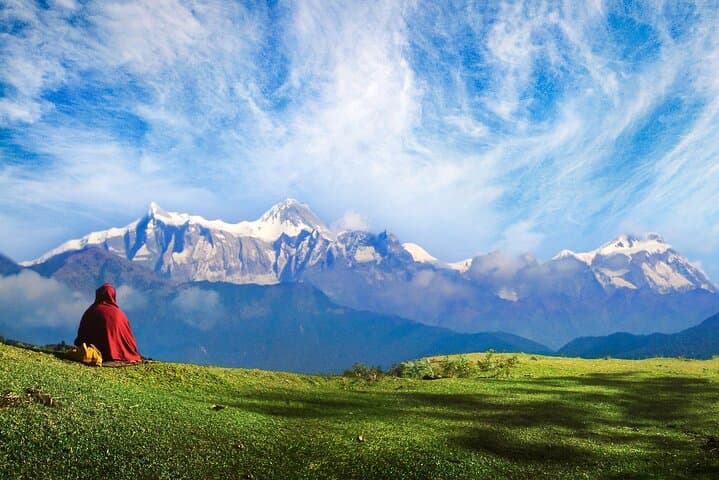
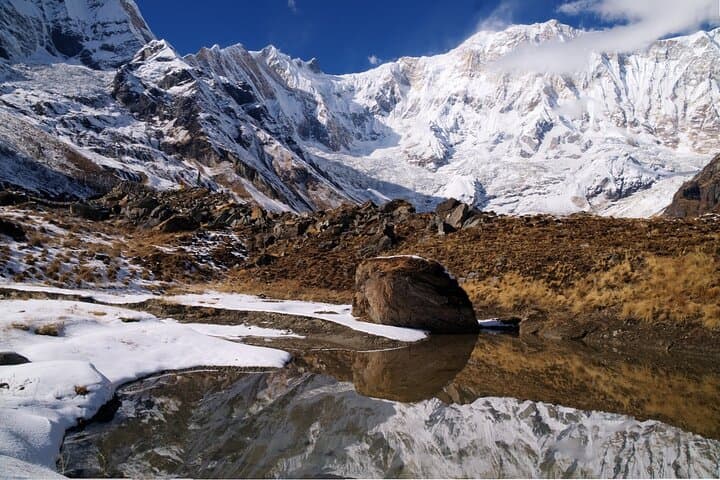
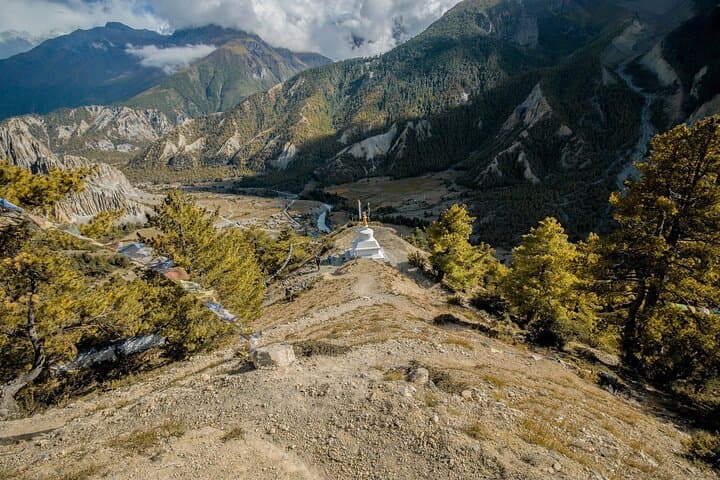
At first light the amphitheater of peaks wakes around you—Machhapuchhre’s pointed profile nudging sunlight into the cirque while Annapurna I glowers in white. The trail climbs through rhododendron and bamboo, crosses wooden bridges that rattle like loose teeth, and finally opens into the wide, stony basin of Annapurna Base Camp (4,130 m), where glaciers breathe and wind writes new lines on the snow each hour.
Verified experiences and guided adventures in the surrounding area.
Operated by Odyssey Treks · Pokhara, Gandaki Province
At first light the amphitheater of peaks wakes around you—Machhapuchhre’s pointed profile nudging sunlight into the cirque while Annapurna I glowers in white. The trail climbs through rhododendron and bamboo, crosses wooden bridges that rattle like loose teeth, and finally opens into the wide, stony basin of Annapurna Base Camp (4,130 m), where glaciers breathe and wind writes new lines on the snow each hour.
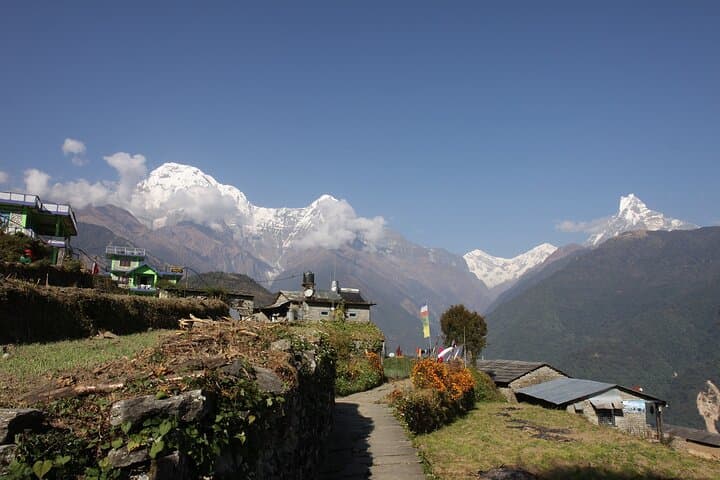
The route threads centuries of Gurung and Magar mountain life: terraced farms give way to tea‑house hospitality higher on the ridge. Geologically the sanctuary is a classic glacial bowl carved by ice and rivers; those same forces funnel weather fast and clear, producing sudden blue-sky mornings and swift storms. The Annapurna Conservation Area, set up in the 1980s, protects these slopes and the cultural landscapes of local villages, while TIMS and ACAP permits fund trails and sanitation.
Practical guidance: expect 8–9 days round trip from Pokhara with daily walking of 3–7 hours, lots of stone steps, and altitude gain that requires gradual pacing. Hire a guide or porter if you prefer to reserve energy for the high pass; acclimatize with rest days and stay hydrated—altitude sickness is real here. Footwear should be broken-in, waterproof, and supportive; layers are essential for cold nights at ABC.
Timing matters: spring and autumn deliver the clearest views, while shoulder seasons bring fewer crowds. Plan for simple teahouse lodging, local food, and the occasional plunging descent to hot springs at Jhinu Danda—small comforts after long mountain days.
challenging.
8–9 days.
Requires good aerobic fitness and experience with consecutive days of uphill walking; comfortable carrying a daypack or using a porter.
Yes—trekkers must have a TIMS card and an Annapurna Conservation Area (ACAP) permit; guides or agencies typically arrange these before or at Pokhara.
ABC reaches 4,130 m; altitude can affect anyone—allow time to acclimatize, ascend gradually and know the signs of AMS (headache, nausea, dizziness).
Teahouses provide basic private rooms and local meals; expect shared bathrooms, limited hot water, and simpler facilities the higher you go.
Autumn (Sept–Nov) and spring (Mar–May) offer the clearest views and most stable conditions; avoid monsoon months if you want consistent visibility.
The Annapurna Conservation Area was established in the mid-1980s to protect local ecosystems and cultural landscapes; the Sanctuary has long been home to Gurung and Magar communities who practice terrace agriculture and transhumance.
Permits and ACAP fees support trail maintenance and local conservation; minimize impact by packing out plastic, using refillable bottles, and supporting local lodges.
Odyssey Treks operates guided outdoor trips and adventures with an emphasis on safety, stewardship, and memorable experiences.
At first light the amphitheater of peaks wakes around you—Machhapuchhre’s pointed profile nudging sunlight into the cirque while Annapurna I glowers in white. The trail climbs through rhododendron and bamboo, crosses wooden bridges that rattle like loose teeth, and finally opens into the wide, stony basin of Annapurna Base Camp (4,130 m), where glaciers breathe and wind writes new lines on the snow each hour.
At first light the amphitheater of peaks wakes around you—Machhapuchhre’s pointed profile nudging sunlight into the cirque while Annapurna I glowers in white. The trail climbs through rhododendron and bamboo, crosses wooden bridges that rattle like loose teeth, and finally opens into the wide, stony basin of Annapurna Base Camp (4,130 m), where glaciers breathe and wind writes new lines on the snow each hour.
The route threads centuries of Gurung and Magar mountain life: terraced farms give way to tea‑house hospitality higher on the ridge. Geologically the sanctuary is a classic glacial bowl carved by ice and rivers; those same forces funnel weather fast and clear, producing sudden blue-sky mornings and swift storms. The Annapurna Conservation Area, set up in the 1980s, protects these slopes and the cultural landscapes of local villages, while TIMS and ACAP permits fund trails and sanitation.
Practical guidance: expect 8–9 days round trip from Pokhara with daily walking of 3–7 hours, lots of stone steps, and altitude gain that requires gradual pacing. Hire a guide or porter if you prefer to reserve energy for the high pass; acclimatize with rest days and stay hydrated—altitude sickness is real here. Footwear should be broken-in, waterproof, and supportive; layers are essential for cold nights at ABC.
Timing matters: spring and autumn deliver the clearest views, while shoulder seasons bring fewer crowds. Plan for simple teahouse lodging, local food, and the occasional plunging descent to hot springs at Jhinu Danda—small comforts after long mountain days.