THE ADVENTURE COLLECTIVE® · Independent discovery and booking for outdoor travel

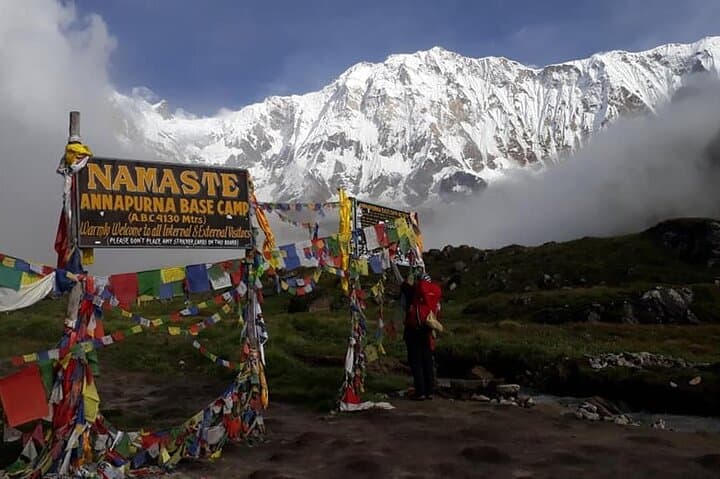
A compact seven-day trek that climbs from lush river valleys to the Annapurna Sanctuary, delivering dramatic 4,130 m views and Gurung village culture. Expect varied terrain, high-altitude weather and simple tea-house accommodation.
A compact seven-day trek that climbs from lush river valleys to the Annapurna Sanctuary, delivering dramatic 4,130 m views and Gurung village culture. Expect varied terrain, high-altitude weather and simple tea-house accommodation.
Morning light slices the sanctuary rim as you climb from rhododendron groves into a high, wind-scoured bowl of rock and ice. The trail starts warm and green, the Modi River daring you forward; by day four the air thins and peaks tighten around the camp like a ring of white teeth.
Verified experiences and guided adventures in the surrounding area.
Operated by Eco Holidays Nepal · Pokhara, Gandaki Province
Morning light slices the sanctuary rim as you climb from rhododendron groves into a high, wind-scoured bowl of rock and ice. The trail starts warm and green, the Modi River daring you forward; by day four the air thins and peaks tighten around the camp like a ring of white teeth.
This route threads traditional Gurung villages, terraced farmland and steep forest bands before spilling into the Annapurna Sanctuary — a glacial amphitheater formed by tectonic uplift and millennia of ice. The Annapurna massif played a central role in local culture and pilgrimage long before it became a trekking destination; villages like Ghandruk still preserve Gurung songs, stone architecture and rice cultivation on steep slopes.
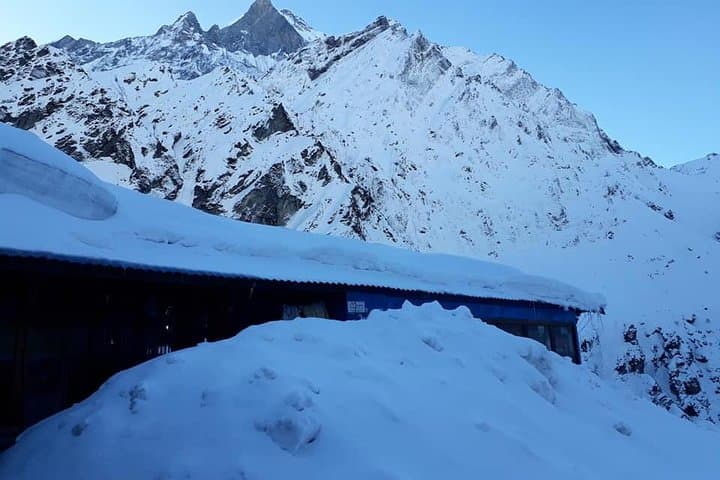
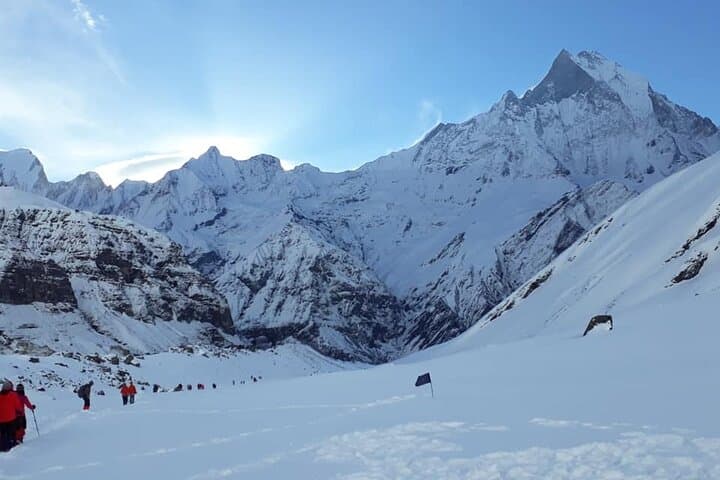
Expect varied terrain: dirt tracks and stone stairways through valleys, soft alpine meadows and a final rocky approach to the 4,130 m base camp. Weather changes fast; the sanctuary funnels winds and snow in winter and monsoon brings mossy slopes and clear, post-rain panoramas.
Practical guide: allow time to acclimatize, carry layered insulation and a reliable rain shell, and plan for 4–6 hours of walking on summit and descent days. Hydrate steadily — altitude dulls thirst — and use trekking poles to reduce knee load on long downhills. Tea houses provide basic food and a warm place to sleep but pack a high-quality sleeping bag rated to -10°C if you get cold easily.
This short Annapurna Base Camp itinerary compresses dramatic alpine terrain into a compact, achievable seven-day loop from Pokhara, delivering high Himalayan exposure without extended expedition logistics.
challenging.
6–8 days.
Good aerobic fitness and experience with multi-day hikes at altitude; comfortable walking 5–8 hours daily on uneven terrain.
No technical mountaineering experience is required, but previous multi-day trekking experience and good cardiovascular fitness are strongly recommended.
Pre-monsoon (March–May) and post-monsoon (September–November) offer the most stable weather and clear mountain views; winter is colder and monsoon can bring heavy rain and landslides.
Yes—tea houses and lodges along the trail provide basic rooms and meals; standard includes twin-share accommodation during the trek.
Altitude sickness is a real risk above 3,000 m; follow a conservative pace, stay hydrated, and descend if symptoms worsen—guides carry oxygen and have evacuation plans.
The Annapurna Sanctuary was long regarded as a sacred valley by local communities; Gurung villages along the trail maintain distinct languages, music and highland farming practices.
The Sanctuary’s fragile alpine zones are sensitive to trampling and waste; stick to established paths, pack out plastics where possible and support local tea houses to keep economic pressure off wild resources.
Eco Holidays Nepal operates guided outdoor trips and adventures with an emphasis on safety, stewardship, and memorable experiences.
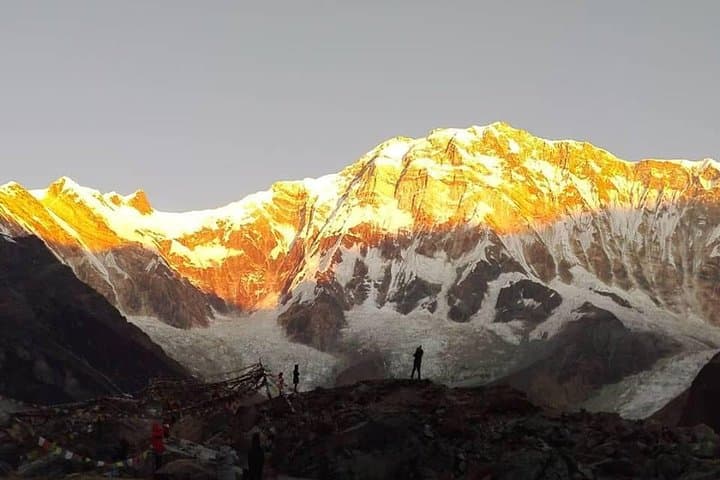
Morning light slices the sanctuary rim as you climb from rhododendron groves into a high, wind-scoured bowl of rock and ice. The trail starts warm and green, the Modi River daring you forward; by day four the air thins and peaks tighten around the camp like a ring of white teeth.
Morning light slices the sanctuary rim as you climb from rhododendron groves into a high, wind-scoured bowl of rock and ice. The trail starts warm and green, the Modi River daring you forward; by day four the air thins and peaks tighten around the camp like a ring of white teeth.
This route threads traditional Gurung villages, terraced farmland and steep forest bands before spilling into the Annapurna Sanctuary — a glacial amphitheater formed by tectonic uplift and millennia of ice. The Annapurna massif played a central role in local culture and pilgrimage long before it became a trekking destination; villages like Ghandruk still preserve Gurung songs, stone architecture and rice cultivation on steep slopes.
Expect varied terrain: dirt tracks and stone stairways through valleys, soft alpine meadows and a final rocky approach to the 4,130 m base camp. Weather changes fast; the sanctuary funnels winds and snow in winter and monsoon brings mossy slopes and clear, post-rain panoramas.
Practical guide: allow time to acclimatize, carry layered insulation and a reliable rain shell, and plan for 4–6 hours of walking on summit and descent days. Hydrate steadily — altitude dulls thirst — and use trekking poles to reduce knee load on long downhills. Tea houses provide basic food and a warm place to sleep but pack a high-quality sleeping bag rated to -10°C if you get cold easily.
This short Annapurna Base Camp itinerary compresses dramatic alpine terrain into a compact, achievable seven-day loop from Pokhara, delivering high Himalayan exposure without extended expedition logistics.