THE ADVENTURE COLLECTIVE® · Independent discovery and booking for outdoor travel

Walk from Pokhara through rhododendron forests and Gurung villages into a glacier-carved amphitheater where peaks circle the Annapurna Base Camp at 4,130 m. This 16-day itinerary balances culture, acclimatization and high-mountain scenery.
Walk from Pokhara through rhododendron forests and Gurung villages into a glacier-carved amphitheater where peaks circle the Annapurna Base Camp at 4,130 m. This 16-day itinerary balances culture, acclimatization and high-mountain scenery.
Dawn breaks over the terraced hills above Pokhara and the first ridgelines of Annapurna South burn golden; you shoulder a pack and step onto stone steps worn by generations of traders and shepherds. The trail climbs through rhododendron forests, threads remote Gurung villages and crosses creaking suspension bridges before the landscape opens into a glacial amphitheater.
Verified experiences and guided adventures in the surrounding area.
Operated by Higher Limits Trek & Expedition · Pokhara, Gandaki Province
Dawn breaks over the terraced hills above Pokhara and the first ridgelines of Annapurna South burn golden; you shoulder a pack and step onto stone steps worn by generations of traders and shepherds. The trail climbs through rhododendron forests, threads remote Gurung villages and crosses creaking suspension bridges before the landscape opens into a glacial amphitheater.
The Annapurna Sanctuary is a geological bowl formed by uplifted rock and cirque glaciers; the peaks—Annapurna I, South, Himchuli and Machhapuchhre—rise like weathered sentries around the valley. Culturally, the trail moves through traditional Gurung and Magar communities where tea houses serve dal bhat and porters and mule trains remain lifelines. Historically the sanctuary was closed to outsiders until the mid-20th century; today conservation efforts under ACAP balance tourism with fragile alpine ecosystems.
Expect roughly 70–90 km of walking round trip depending on route, with sustained elevation gain up to 4,130 m at base camp. Terrain varies from stepped village trails and forested singletrack to rocky moraines and high alpine meadows; daily stages commonly run 4–8 hours. Weather can change fast—monsoon brings heavy rains, whereas spring and autumn deliver clear mountain views.
Practical guidance: allow time to acclimatize, keep daily mileage conservative above 3,000 m, and prioritize layered clothing, a warm sleeping bag and a reliable pair of boots. Hydration, sun protection and a slow pace are your best tools for enjoying the high amphitheater and its panoramic rewards.
challenging.
15–16 days.
Good cardiovascular fitness and regular uphill hiking experience; able to carry a daypack and walk 4–8 hours daily.
Physically it's challenging because of daily elevation gains and long days; the route requires good fitness but no technical climbing skills.
Guides and porters are strongly recommended for navigation, acclimatization advice and local logistics; permits (ACAP, TIMS) are required.
Autumn (Sept–Nov) and spring (Mar–May) offer the clearest views and stable weather; monsoon months are wet and winter is cold with limited services.
You must carry the Annapurna Conservation Area Project (ACAP) permit and a TIMS card; operators usually arrange these prior to departure.
The Annapurna Sanctuary was opened to foreign trekkers in the 1960s and developed into one of Nepal's earliest organized trekking destinations, blending traditional village life with mountaineering routes.
ACAP regulates permits and promotes waste management; stick to marked trails, pack out non-biodegradable waste and favor local teahouses to support community-based tourism.
Higher Limits Trek & Expedition operates guided outdoor trips and adventures with an emphasis on safety, stewardship, and memorable experiences.
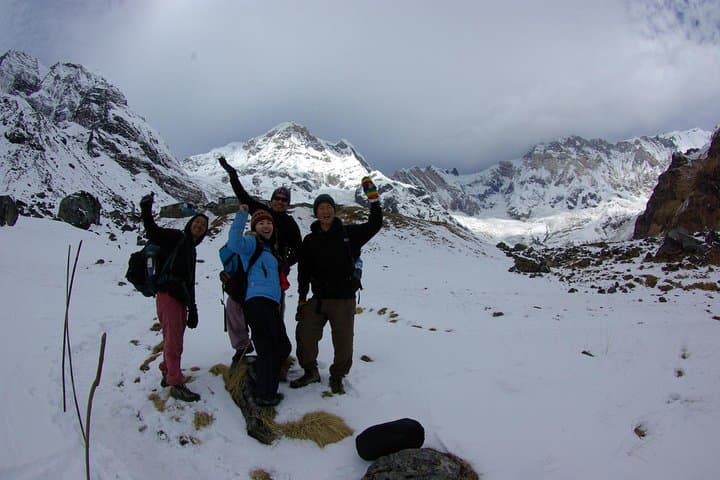
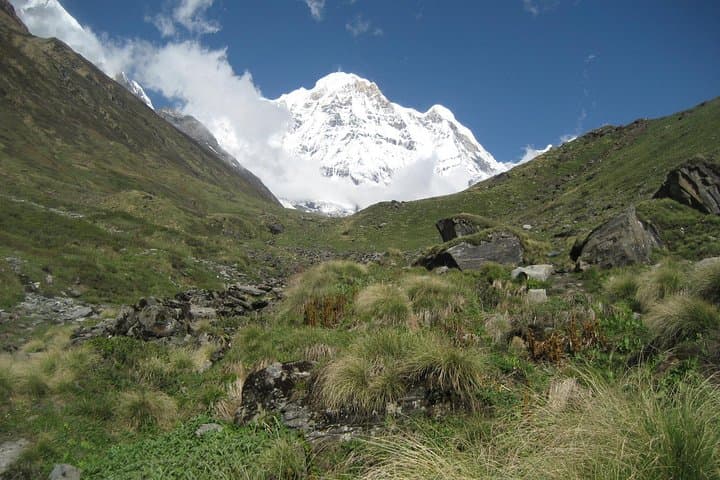
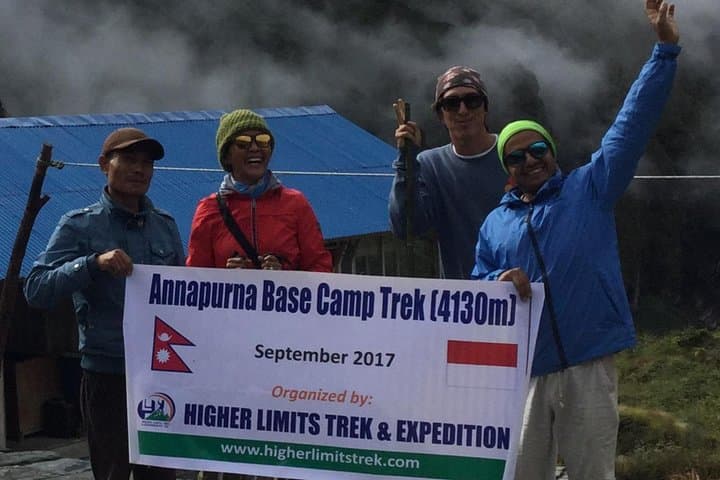
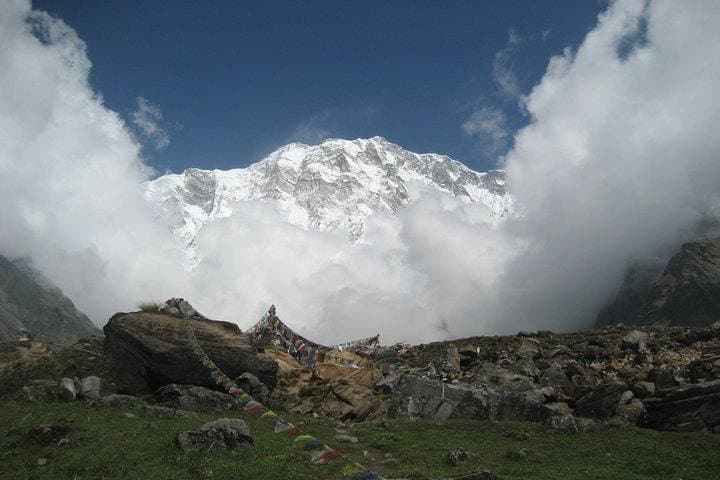
Dawn breaks over the terraced hills above Pokhara and the first ridgelines of Annapurna South burn golden; you shoulder a pack and step onto stone steps worn by generations of traders and shepherds. The trail climbs through rhododendron forests, threads remote Gurung villages and crosses creaking suspension bridges before the landscape opens into a glacial amphitheater.
Dawn breaks over the terraced hills above Pokhara and the first ridgelines of Annapurna South burn golden; you shoulder a pack and step onto stone steps worn by generations of traders and shepherds. The trail climbs through rhododendron forests, threads remote Gurung villages and crosses creaking suspension bridges before the landscape opens into a glacial amphitheater.
The Annapurna Sanctuary is a geological bowl formed by uplifted rock and cirque glaciers; the peaks—Annapurna I, South, Himchuli and Machhapuchhre—rise like weathered sentries around the valley. Culturally, the trail moves through traditional Gurung and Magar communities where tea houses serve dal bhat and porters and mule trains remain lifelines. Historically the sanctuary was closed to outsiders until the mid-20th century; today conservation efforts under ACAP balance tourism with fragile alpine ecosystems.
Expect roughly 70–90 km of walking round trip depending on route, with sustained elevation gain up to 4,130 m at base camp. Terrain varies from stepped village trails and forested singletrack to rocky moraines and high alpine meadows; daily stages commonly run 4–8 hours. Weather can change fast—monsoon brings heavy rains, whereas spring and autumn deliver clear mountain views.
Practical guidance: allow time to acclimatize, keep daily mileage conservative above 3,000 m, and prioritize layered clothing, a warm sleeping bag and a reliable pair of boots. Hydration, sun protection and a slow pace are your best tools for enjoying the high amphitheater and its panoramic rewards.