THE ADVENTURE COLLECTIVE® · Independent discovery and booking for outdoor travel

A 14-day teahouse trek from Pokhara to Annapurna Base Camp, this route climbs through rhododendron forests, Gurung villages and high alpine bowls to reach 4,130 m. Expect long days, basic lodges, and one of the most immediate Himalayan panoramas in Nepal.
A 14-day teahouse trek from Pokhara to Annapurna Base Camp, this route climbs through rhododendron forests, Gurung villages and high alpine bowls to reach 4,130 m. Expect long days, basic lodges, and one of the most immediate Himalayan panoramas in Nepal.
Morning light breaks across terraced fields as you leave Pokhara and ride toward Nayapul; the river’s voice grows bolder and the valley walls close in. On this classic teahouse route you move from subtropical farms into rhododendron and oak forests, climb long stone staircases past Magar and Gurung villages, and finally stand beneath the bowl of Annapurna Base Camp at about 4,130 m.
Verified experiences and guided adventures in the surrounding area.
Operated by himalayan sanctuary adventure private limited · Pokhara, Gandaki Province
Morning light breaks across terraced fields as you leave Pokhara and ride toward Nayapul; the river’s voice grows bolder and the valley walls close in. On this classic teahouse route you move from subtropical farms into rhododendron and oak forests, climb long stone staircases past Magar and Gurung villages, and finally stand beneath the bowl of Annapurna Base Camp at about 4,130 m.
The route threads through centuries of highland culture—Gurung villages with prayer flags and rice terraces carved into steep slopes—and through geology shaped by uplifted sedimentary cliffs and glacial cirques. Poon Hill’s sunrise view is a geological classroom: layered peaks, serrated ridgelines, and the lacquered face of Annapurna I (8,091 m) catching first light. Local teahouses offer simple meals and shared warmth; hot springs at Jhinu Danda provide a welcome soak after long days.
Practicalities matter: expect 10–7 hours of hiking on several days, altitude gain up to 4,130 m, and basic teahouse accommodation. Move deliberately to manage altitude—stay hydrated, maintain a steady pace, and use layers for rapidly changing mountain weather. Good boots, trekking poles and a down layer are practical priorities; porters can carry luggage but pack essentials in your daypack.
Timing is key—spring and autumn give the clearest views; monsoon brings lush forests and slippery trails; winter is cold with deeper snow at higher passes. This trek rewards steady effort: the mountains compel you forward, and the villages keep you grounded.
challenging.
12–14 days.
Requires good cardiovascular fitness, regular hiking experience and ability to carry a daypack on consecutive long days at altitude.
No—this is a trekking route to a base camp; no ropes or technical mountaineering gear are required.
You need the Annapurna Conservation Area Permit (ACAP) and a TIMS card, typically handled by your operator before departure.
The highest point is around 4,130 m; symptoms vary—slow ascent, hydration, and recognizing AMS signs are important.
Teahouses offer basic private or shared rooms and hot meals; amenities vary by village—expect simpler conditions higher on the route.
The Annapurna region is home to Gurung and Magar communities with longstanding agro-pastoral traditions and trade routes linking the high Himalaya to the lowlands.
The trek passes through Annapurna Conservation Area (ACAP), where permits support community development and trail conservation—minimize waste and prefer local services.
himalayan sanctuary adventure private limited operates guided outdoor trips and adventures with an emphasis on safety, stewardship, and memorable experiences.
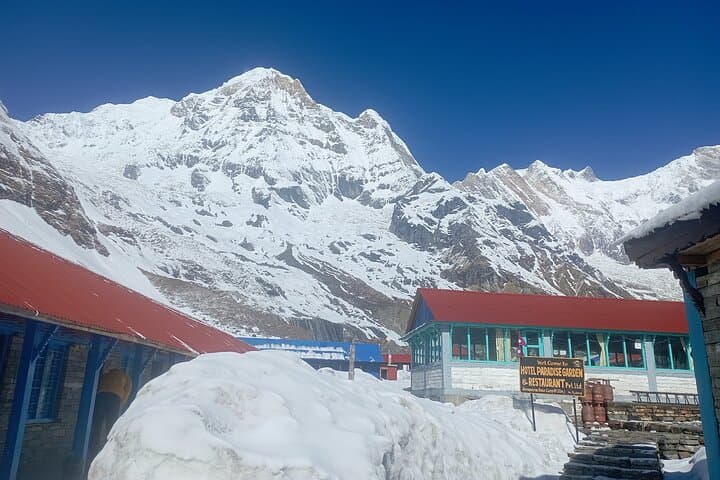
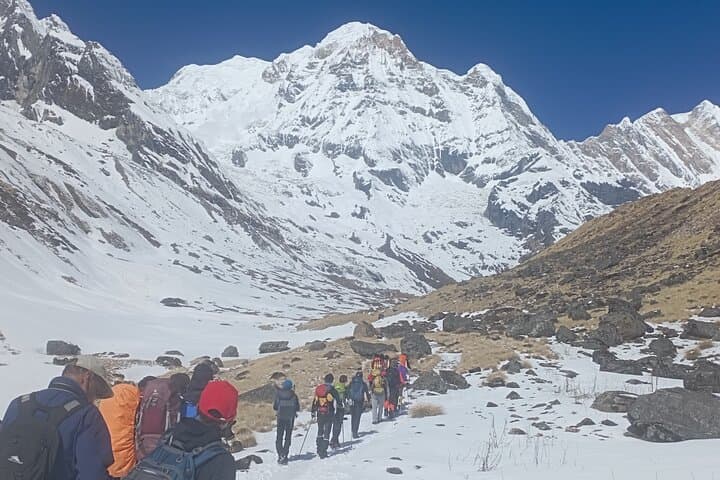


Morning light breaks across terraced fields as you leave Pokhara and ride toward Nayapul; the river’s voice grows bolder and the valley walls close in. On this classic teahouse route you move from subtropical farms into rhododendron and oak forests, climb long stone staircases past Magar and Gurung villages, and finally stand beneath the bowl of Annapurna Base Camp at about 4,130 m.
Morning light breaks across terraced fields as you leave Pokhara and ride toward Nayapul; the river’s voice grows bolder and the valley walls close in. On this classic teahouse route you move from subtropical farms into rhododendron and oak forests, climb long stone staircases past Magar and Gurung villages, and finally stand beneath the bowl of Annapurna Base Camp at about 4,130 m.
The route threads through centuries of highland culture—Gurung villages with prayer flags and rice terraces carved into steep slopes—and through geology shaped by uplifted sedimentary cliffs and glacial cirques. Poon Hill’s sunrise view is a geological classroom: layered peaks, serrated ridgelines, and the lacquered face of Annapurna I (8,091 m) catching first light. Local teahouses offer simple meals and shared warmth; hot springs at Jhinu Danda provide a welcome soak after long days.
Practicalities matter: expect 10–7 hours of hiking on several days, altitude gain up to 4,130 m, and basic teahouse accommodation. Move deliberately to manage altitude—stay hydrated, maintain a steady pace, and use layers for rapidly changing mountain weather. Good boots, trekking poles and a down layer are practical priorities; porters can carry luggage but pack essentials in your daypack.
Timing is key—spring and autumn give the clearest views; monsoon brings lush forests and slippery trails; winter is cold with deeper snow at higher passes. This trek rewards steady effort: the mountains compel you forward, and the villages keep you grounded.