THE ADVENTURE COLLECTIVE® · Independent discovery and booking for outdoor travel

Follow stone stairways, Gurung villages, and forested ridgelines on a 14-day tea-house trek to Annapurna Base Camp (4,130 m). Acclimatization, steady pacing, and simple gear make this classic Himalayan circuit accessible and immensely rewarding.
Follow stone stairways, Gurung villages, and forested ridgelines on a 14-day tea-house trek to Annapurna Base Camp (4,130 m). Acclimatization, steady pacing, and simple gear make this classic Himalayan circuit accessible and immensely rewarding.
The trail opens with the rumble of a river daring you north from Pokhara, through terraced fields and into a forest that pushes you higher with every switchback.
Verified experiences and guided adventures in the surrounding area.
Operated by Happyland Treks · Pokhara, Gandaki Province
The trail opens with the rumble of a river daring you north from Pokhara, through terraced fields and into a forest that pushes you higher with every switchback.
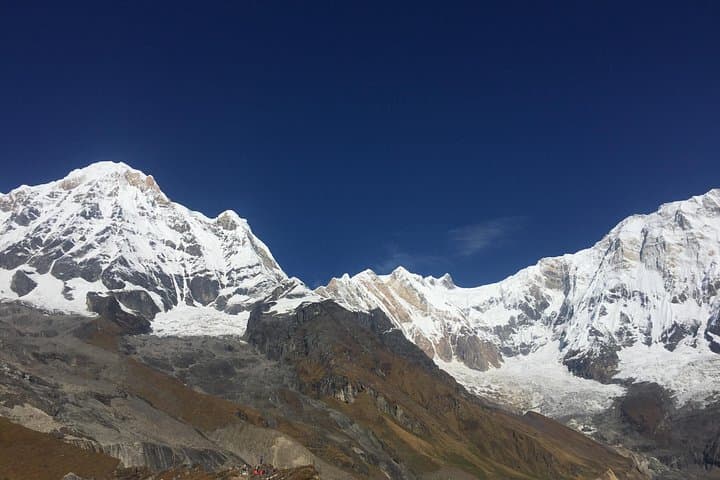
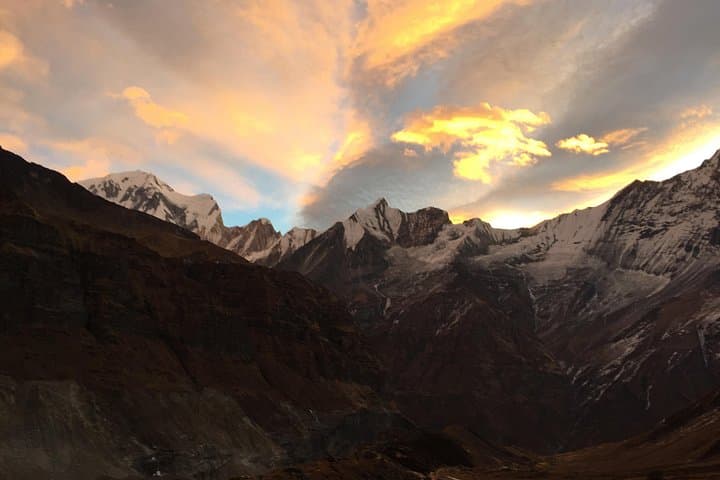
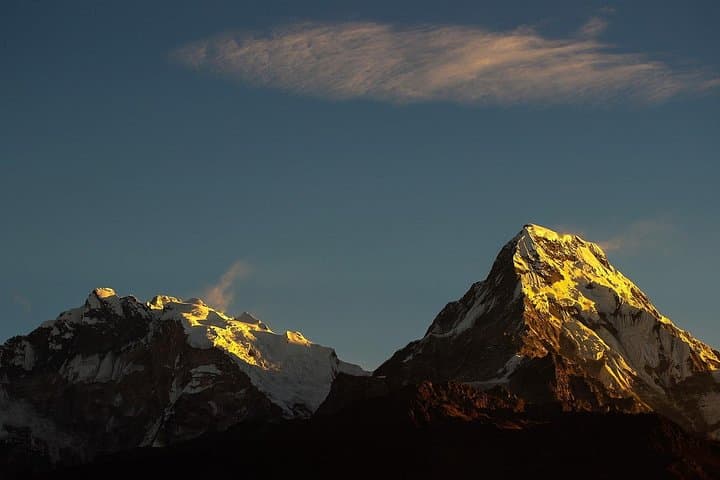
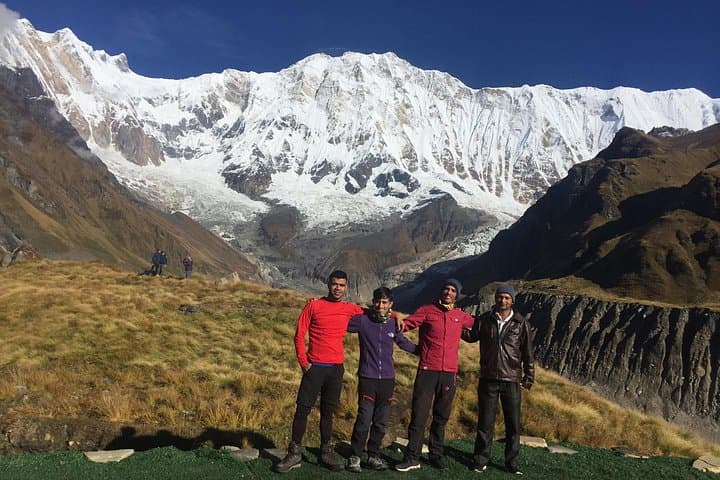
By day three the trail tightens into stone steps past villages built on steep shoulders; by day eight the panorama widens and the Annapurna massif slides into full view at Base Camp (4,130 m) — wind-sculpted seracs and ridgelines that command silence more than applause.
This corridor sits inside the Annapurna Conservation Area, Nepal’s first conservation zone, where geology reads like a layered history: marine limestone folded into high peaks by the collision of the Indian and Eurasian plates. Gurung and Magar villages punctuate the route, tea houses offer local dal-bhat and stories, and hot springs at Jhinu Danda give a quiet reward after long days.
Practical guidance is straightforward. Acclimatize on the climb to Ghorepani and Poon Hill, plan for 12–14 days including travel from Pokhara, and expect uneven stone trails with steady elevation gain; daily hikes commonly range 4–7 hours. Hydration and pacing matter more than speed — altitude is the real challenge, not the technical terrain.
Bring layered insulation for cold nights, reliable footwear for rocky paths, and small cash for tea-house rooms and tips. Leave no waste behind: the conservation area regulates permits and relies on trekkers and operators to protect water sources and village life.
The reward is immediate: Himalayan ridgelines that demand your attention and the steady, human rhythm of the trail — steps, breath, tea, repeat.
moderate.
12–14 days.
Moderate fitness: regular hiking or cardio experience with ability to walk 4–7 hours per day on uneven terrain.
Yes — you must carry an ACAP permit and a TIMS card; guides typically arrange these before trekking.
Autumn (Sept–Nov) and spring (Mar–May) offer the most stable weather and clear mountain views.
Technically it’s non-technical, but altitude and daily elevation gain make it best for trekkers with moderate fitness and some multi-day hiking experience.
Tea houses provide basic rooms, hot meals, and shared bathrooms; standards vary with remoteness and altitude.
The Annapurna Conservation Area, established in the 1980s, protects diverse ecosystems and long-settled Gurung and Magar communities who manage highland pasture and trade routes.
Permits fund conservation and local development; minimize single-use plastics, carry out waste when possible, and respect tea-house water use.
Happyland Treks operates guided outdoor trips and adventures with an emphasis on safety, stewardship, and memorable experiences.
The trail opens with the rumble of a river daring you north from Pokhara, through terraced fields and into a forest that pushes you higher with every switchback.
The trail opens with the rumble of a river daring you north from Pokhara, through terraced fields and into a forest that pushes you higher with every switchback.
By day three the trail tightens into stone steps past villages built on steep shoulders; by day eight the panorama widens and the Annapurna massif slides into full view at Base Camp (4,130 m) — wind-sculpted seracs and ridgelines that command silence more than applause.
This corridor sits inside the Annapurna Conservation Area, Nepal’s first conservation zone, where geology reads like a layered history: marine limestone folded into high peaks by the collision of the Indian and Eurasian plates. Gurung and Magar villages punctuate the route, tea houses offer local dal-bhat and stories, and hot springs at Jhinu Danda give a quiet reward after long days.
Practical guidance is straightforward. Acclimatize on the climb to Ghorepani and Poon Hill, plan for 12–14 days including travel from Pokhara, and expect uneven stone trails with steady elevation gain; daily hikes commonly range 4–7 hours. Hydration and pacing matter more than speed — altitude is the real challenge, not the technical terrain.
Bring layered insulation for cold nights, reliable footwear for rocky paths, and small cash for tea-house rooms and tips. Leave no waste behind: the conservation area regulates permits and relies on trekkers and operators to protect water sources and village life.
The reward is immediate: Himalayan ridgelines that demand your attention and the steady, human rhythm of the trail — steps, breath, tea, repeat.